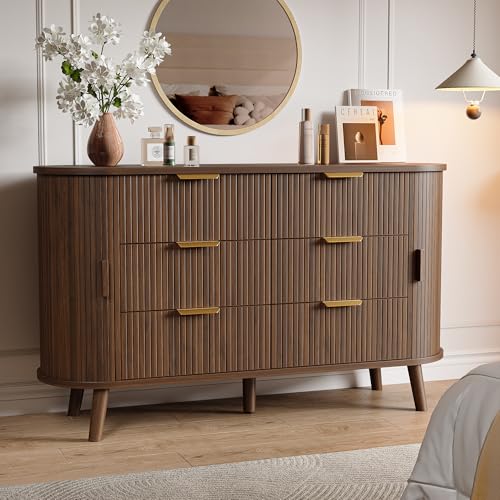
Small Dresser Mid Century Modern: A Complete Guide to Compact Retro Storage
A small dresser mid century modern combines the clean, functional aesthetic of mid twentieth-century design with a compact footprint suited to modern living. If you are researching this category, you likely want a storage piece that looks authentic, fits a tight bedroom or apartment, and holds up over years of daily use. This guide explains what defines the style, how to evaluate construction, which wood and finish options suit different rooms, and how to choose the right size before you commit.
Mid century modern furniture emerged from a design philosophy that prioritized honest materials, purposeful form, and efficient use of space. Those same principles make the style an excellent fit for small rooms today. A well-made compact piece can replace a bulky traditional dresser while adding visual warmth and architectural character. Below, we break down the details that separate a genuinely well-built piece from a superficial imitation, so you can evaluate options with confidence.
What Makes a Dresser Mid Century Modern?
The mid century modern label is applied broadly, but a few design signatures are consistent across authentic and well-executed contemporary pieces. Recognizing these details helps you filter out generic furniture that merely borrows a retro name.
Clean, Uninterrupted Lines
Flat drawer fronts without heavy molding, minimal ornamentation, and a strong horizontal emphasis define the silhouette.
Tapered or Splayed Legs
Angled legs lift the body off the floor, creating visual lightness and making small rooms feel less crowded.
Natural Wood Tones
Walnut, teak, oak, and ash are common, often finished with a matte or satin topcoat that highlights grain rather than hiding it.
Integrated Hardware
Recessed pulls, slim bar handles, or sculpted wood pulls keep the front face visually quiet and easy to clean.
Low, Wide Proportions
Compact models tend to be wider than they are tall, which improves stability and keeps sightlines open in small rooms.
Functional Drawer Layouts
Three to six drawers with graduated depths prioritize everyday clothing while keeping the overall body compact.
If you are still comparing broader categories, our overview of small dressers explains how compact models differ from standard bedroom pieces. For a deeper look at the design language itself, the small mid century chest of drawers guide covers how the chest format adapts the same aesthetic.
Why Choose a Compact Mid Century Dresser?
A compact dresser in this style solves several practical problems at once. It provides meaningful clothing storage without dominating a room, and its low profile keeps windows, artwork, and wall space usable. The design also ages well: because the style avoids trend-driven ornament, a quality piece remains visually appropriate for decades.
From a storage standpoint, mid century layouts often use wider drawers rather than tall stacks. That arrangement is efficient for folded clothing such as shirts, knitwear, and linens. Many models also include a shallow top drawer for accessories. If you need more depth for bulky items, consider a small dresser with deep drawers, which can accommodate heavier garments and bedding.
Where the Style Works Best
- Small bedrooms: A low, wide body fits beneath window lines and beside a bed without blocking circulation.
- Guest rooms: The timeless look suits mixed decor and provides enough storage for short stays.
- Apartments and studios: Compact dimensions and visual lightness help open-plan spaces feel less cluttered.
- Closets and dressing areas: Slim models can sit inside a walk-in closet as dedicated folded-clothing storage.
- Nurseries: The clean lines suit contemporary nursery design, and the low height can support a changing pad with proper securing.
For room-specific planning, our guide to a small dresser for a small bedroom covers clearance, traffic flow, and placement. If your space is exceptionally tight, the space-saving dresser overview compares narrow and vertical configurations.
Wood and Material Options
Material choice affects durability, weight, maintenance, and the authenticity of the look. Mid century modern design favors woods that show grain clearly and accept a low-sheen finish well.
| Material | Characteristics | Best For |
|---|---|---|
| Walnut | Warm, rich brown tones with fine, straight grain; the signature mid century wood | Bedrooms and living areas where warmth and depth are desired |
| Teak | Golden-brown color, naturally resistant to moisture, develops a patina over time | Humid climates and spaces where a lighter retro tone is preferred |
| Oak | Dense and durable with prominent grain; available in white oak and red oak variants | High-traffic bedrooms and households needing long-term durability |
| Ash | Light, springy grain that takes stains and paints evenly | Bright rooms and lighter color palettes |
| Engineered wood with veneer | Stable core with a real wood surface; lighter and more dimensionally consistent | Apartments and upper-floor rooms where weight matters |
Solid wood construction is generally the better long-term investment, particularly for drawer fronts and side panels that endure daily handling. That said, a well-made veneered piece can deliver the same visual character with greater stability in fluctuating humidity. Our comparison of solid wood versus engineered materials explains how to evaluate joinery and core construction. For a specific wood option, the solid walnut dresser guide covers grain matching and finish care.
Practical tip: Check the drawer sides and back panel, not just the front. Solid wood drawer sides with dovetail or doweled joinery indicate better construction than stapled or glued particleboard boxes, which tend to loosen with repeated use.
Sizing a Compact Mid Century Dresser
Because the style emphasizes horizontal proportions, many models are wider than a traditional small dresser. Measure the intended wall space, account for drawer pull-out clearance, and confirm that the height leaves room for a mirror or artwork above. A common compact range is roughly 30 to 48 inches wide, with heights between 28 and 36 inches, but exact dimensions vary by manufacturer.
- Wall width: Leave at least a few inches on each side so drawer fronts and handles do not scrape adjacent furniture.
- Drawer extension: Confirm that fully open drawers clear doorways, bed frames, and walking paths.
- Height: A lower body keeps the top surface usable as a display or changing area without blocking sightlines.
- Depth: Standard depths suit folded clothing; deeper bodies hold more but consume floor space.
If you need a very narrow solution, a small chest dresser trades width for height and can fit into tight alcoves. For closet-based storage, the small dresser for closet guide addresses interior clearance and ventilation.
Drawer Layouts and Storage Capacity
The number and arrangement of drawers matters more than the total external dimensions. A well-planned compact piece can hold as much as a larger dresser with inefficient internal space.
- Three-drawer layouts: Best for single users or guest rooms; wide drawers suit folded shirts and knitwear.
- Four-to-five-drawer layouts: A balanced choice for couples, with a shallow top drawer for accessories and deeper lower drawers for bulkier items.
- Six-drawer layouts: Maximizes capacity within a compact footprint, often using two columns of narrower drawers.
- Graduated depths: Deeper lower drawers and shallower upper drawers improve organization without increasing the body size.
Soft-close slides reduce noise and prevent slamming, which is especially useful in shared bedrooms and nurseries. Our guide to a solid wood dresser with soft-close drawers explains how the mechanism affects long-term reliability. If you need maximum capacity in a compact body, the solid wood six-drawer dresser overview compares layouts.
Finishes and Hardware
Mid century modern finishes generally favor natural wood tones, but painted and two-tone variations are also common. A matte or satin topcoat preserves the tactile quality of the wood and hides minor surface wear better than a high-gloss finish. For painted options, a small white dresser can brighten a dim room while retaining the clean-lined silhouette.
Hardware should feel intentional rather than decorative. Brass and blackened metal are period-appropriate, while wood pulls keep the look more organic. Whichever you choose, verify that handles are firmly attached and that mounting points are reinforced, since hardware is a common failure point on lower-tier pieces.
Construction Details to Check Before Buying
Two dressers can look nearly identical in a product photo yet differ substantially in how they perform after a year of use. Focus on the following:
- Joinery: Dovetail or doweled drawer boxes outlast stapled construction.
- Drawer bottoms: A captured bottom panel resists sagging under load.
- Glides: Side-mounted or under-mounted slides should operate smoothly through the full extension.
- Stability: Tapered legs should be firmly braced; anti-tip hardware is essential for taller or narrow models.
- Finish consistency: Check that the topcoat is even across drawer fronts and side panels.
- Ventilation and odor: Newly finished pieces should not emit a strong chemical smell; allow time to air out before loading clothing.
When shopping online, read the construction specification rather than relying on marketing language. If the listing does not state the drawer joinery or slide type, treat that as a gap in information and factor it into your evaluation.
Styling a Small Mid Century Modern Dresser
The mid century aesthetic rewards restraint. Keep the top surface mostly clear so the wood grain and proportions remain the focus. A slim table lamp, a small ceramic or plant, and one book or tray are usually enough. A round mirror above the dresser softens the horizontal lines and adds light without visual weight.
For the surrounding room, pair the dresser with warm neutrals, muted earth tones, or a single saturated accent color. Avoid heavy drapes and oversized artwork, which can crowd a compact space. If the room is small, a mid century chest used as a secondary storage piece can distribute clutter without adding a single bulky unit.
Common Mistakes to Avoid
- Buying for looks alone: Confirm drawer operation and stability before committing, especially for online purchases.
- Ignoring drawer extension: A dresser that fits the wall may still block a doorway when drawers are open.
- Overlooking weight: Solid wood pieces are heavy; confirm that delivery access and floor loading are suitable.
- Skipping anti-tip hardware: Essential for narrow, tall, or nursery-adjacent units.
- Overloading shallow drawers: Respect the intended load; sagging bottoms are difficult to repair.
Frequently Asked Questions
What defines a mid century modern small dresser?
Clean lines, tapered legs, a low horizontal profile, and natural wood tones such as walnut, teak, or oak. Compact models typically include three to six drawers and minimal, integrated hardware.
How much storage can a compact mid century dresser provide?
Most compact models offer three to six drawers with widths between roughly 30 and 48 inches. Deep drawers and internal dividers can hold clothing for one or two people, which is efficient for small bedrooms and apartments.
Which wood is best for a mid century modern small dresser?
Walnut and teak are the most iconic choices, while oak and ash offer durability and a lighter look. Solid wood construction is preferred for longevity; high-quality veneers can deliver the same aesthetic with more dimensional stability.
Can a small mid century modern dresser work in a nursery or guest room?
Yes. The compact footprint and timeless style suit both rooms. Pair with a properly secured changing pad for nursery use, or with a mirror and lighting for guest rooms.
How do I style a small mid century modern dresser?
Keep the top surface uncluttered. Use a slim lamp, a small plant, and one or two curated pieces. A round or asymmetric mirror above the dresser reinforces the aesthetic, and brass or black hardware complements the era.
Final Checklist Before You Decide
Before selecting a piece, confirm the external dimensions against your wall space, verify drawer extension clearance, and review the construction specification for joinery and slide type. Decide whether you need a low, wide body or a taller, narrower configuration, and choose a wood and finish that suits the room's lighting and existing palette.
If you are still exploring related categories, these guides can help narrow the field:
Browse the recommended options below to compare current models, features, and configurations. Each listing links to the retailer so you can verify dimensions, materials, and availability directly.
Explore Recommended Options