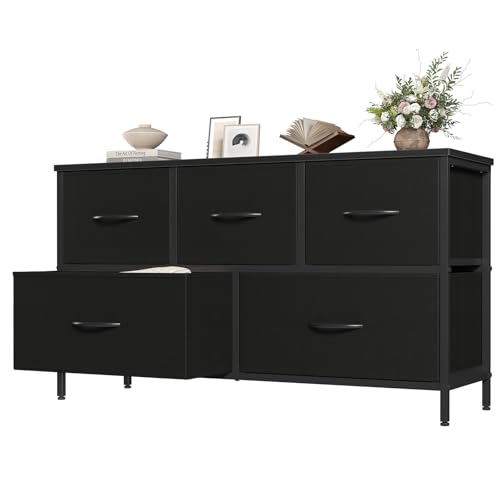
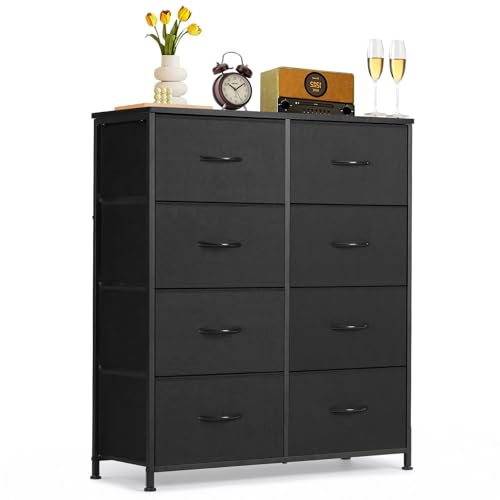
Why Choose a Small Dresser for Your Closet?
Closets are often the most underused storage zones in a home. A compact dresser placed inside a closet or just at its entrance can double your usable storage without adding bulky furniture to the bedroom floor. For households with limited square footage, this approach is one of the most practical upgrades available.
The idea is simple: instead of stuffing folded clothing onto high shelves or letting it pile up on the bed, a small dresser for closet gives every item a dedicated home. Drawers protect clothes from dust, keep small accessories contained, and make daily routines faster because everything is visible and reachable.
Space Efficiency
Compact footprints fit under hanging rods, beside shoe racks, or into narrow alcoves that would otherwise sit empty.
Better Organization
Dedicated drawers separate folded clothing, accessories, and seasonal items so nothing gets lost in the shuffle.
Cleaner Bedroom
Moving storage into the closet frees up bedroom floor space and reduces visual clutter around the bed.
Easy Access
Drawers at waist height keep everyday items within reach without climbing or bending awkwardly.
How to Measure Your Closet Before Buying
Getting the fit right is the single most important step. A dresser that is even a couple of inches too wide or deep can block doors, interfere with hanging clothes, or make the closet unusable. Grab a tape measure and record the following dimensions.
Key Measurements to Record
- Opening width: The clear distance between the closet door frame or opening edges.
- Interior width: The usable width once the dresser is inside, accounting for door swing.
- Depth clearance: The distance from the back wall to the front edge where the dresser will sit, minus any hanging rod clearance.
- Height clearance: Space from floor to the underside of shelves or hanging rods.
- Door swing: How much room the closet door needs to open fully without hitting the dresser.
Typical Compact Dresser Dimensions
Most small dressers intended for closets fall within a predictable range. Use this table as a starting point, then confirm against your own measurements.
| Size Category | Typical Width | Typical Depth | Best For |
|---|---|---|---|
| Narrow / Skinny | Up to 24 inches | 12–15 inches | Tight alcoves and beside hanging rods |
| Compact Standard | 24–32 inches | 15–18 inches | Standard reach-in closets |
| Mid-Size | 32–40 inches | 16–20 inches | Walk-in closets with generous space |
| Tall & Slim | 18–24 inches | 12–16 inches | Vertical storage in narrow closets |
A useful rule of thumb: leave at least two to three inches of clearance around the dresser for easy drawer operation and airflow. If your closet has a hanging rod, make sure the dresser height stays below the rod so clothing can hang freely. For very tight setups, a small dresser that fits in closet spaces is designed specifically around these constraints.
Choosing the Right Drawer Layout
Drawer configuration matters as much as overall dimensions. The way a dresser divides its internal space determines how well it handles different types of clothing.
Common Drawer Configurations
- Three-drawer: Simple and spacious, ideal for bulky items like sweaters and jeans.
- Four-drawer: A balanced layout that handles folded shirts, trousers, and accessories.
- Five-drawer: Adds a shallow top drawer for small items while keeping deeper drawers below.
- Six or more drawers: Best for households that need granular separation of clothing categories.
Deep drawers are excellent for knitwear and bedding, while shallow drawers work better for socks, undergarments, and accessories. If you tend to fold clothing into tall stacks, prioritize drawer height. If you prefer an organized, compartment-style approach, prioritize drawer count. A small dresser with deep drawers suits households that store bulky items, while a slim multi-drawer design suits finer organization.
Materials and Build Quality
Closets can be humid and enclosed, so material choice affects both longevity and appearance. Here is how the main options compare.
| Material | Tier | Strengths | Considerations |
|---|---|---|---|
| Engineered Wood with Veneer | Entry-level to Mid-range | Consistent finish, stable in humidity, wide design variety | Edges require care; lighter hardware tolerances |
| Solid Pine | Entry-level | Lightweight, easy to move, natural grain | Softer wood; prone to dents with heavy use |
| Solid Oak | Premium | Dense, durable, handles daily wear well | Heavier; needs help to position inside a closet |
| Solid Walnut | Luxury | Rich grain, premium appearance, strong joinery potential | Heaviest option; best with professional placement |
| Metal / Steel Frame | Mid-tier | Slim profile, rust-proof finishes available, very durable | Less traditional aesthetic; check drawer glide quality |
For most closets, a solid wood construction with quality drawer slides offers the best long-term balance. Solid wood resists warping and holds screws and hardware securely over years of use. If humidity is a concern, choose a sealed or painted finish and avoid raw, unfinished wood. A solid wood small chest of drawers is a dependable option that ages well.
Practical Placement Ideas Inside the Closet
Where you place the dresser inside the closet affects how usable the whole space becomes. Consider these arrangements.
Under the Hanging Rod
Short hanging sections, usually used for shirts and blouses, leave valuable floor space below. A low, wide dresser fits neatly there and keeps folded items within arm's reach. Just confirm that the dresser top sits at least a few inches below the shortest garments.
At the End of a Walk-In
Walk-in closets often have a blank end wall. A compact dresser against that wall creates a natural folding and staging area. Pair it with a small mirror or a tray for accessories.
Beside the Doorway
A narrow dresser placed just inside the closet door works well for shoes and accessories. Choose a model with a shallow depth so the door swing remains unobstructed. If the space is extremely tight, a small dresser to put in closet configuration with a slim profile is a smart fit.
Stacked with Shelving
Open shelving above a dresser doubles vertical storage. Use the top of the dresser as a staging surface and the shelves above for baskets, bins, and out-of-season items.
- Place the dresser on a level surface to keep drawers gliding smoothly.
- Leave a small gap behind the dresser for airflow and cable-free simplicity.
- Anchor taller dressers to the wall if children or pets have closet access.
- Use felt pads under the feet to protect flooring and make repositioning easier.
- Keep the most-used drawer at waist height for effortless daily access.
Organizing Your Closet Dresser Effectively
A dresser only solves half the problem; the other half is how you use it. A simple zone system keeps drawers functional over time.
- Top drawer: Accessories, socks, and small items that benefit from dividers.
- Middle drawers: Folded shirts, trousers, and everyday clothing.
- Lower drawers: Bulky knitwear, jeans, and seasonal items.
- Top surface: A small tray, jewelry box, or folding station.
Rotate seasonal clothing out of the dresser and into higher shelves or storage bins. This keeps the dresser focused on what you actually wear each week. For closets shared by two people, assign dedicated drawers or sides so routines stay simple.
Style Options That Suit Closet Spaces
Even inside a closet, style matters. The finish you choose should feel cohesive with the bedroom and stand up to daily handling.
White and Light Finishes
White and soft neutrals brighten enclosed spaces and make compact closets feel larger. A small white dresser for closet is a classic choice that blends into most interiors.
Wood Tones
Natural wood finishes add warmth and hide minor scuffs well. Oak and walnut tones pair easily with woven baskets and fabric storage bins. A small oak dresser offers a timeless look with durable construction.
Painted and Accent Colors
If the closet is a design feature rather than a hidden utility, a painted finish can add personality. Soft gray, sage, or navy work well in enclosed spaces without overwhelming them. A small grey dresser for bedroom can transition between closet and bedroom use if your needs change.
Space-Saving Specialty Designs
Some designs are engineered specifically for tight quarters. Rolling or stackable units, and models with integrated organizers, offer flexibility. A space-saving dresser often includes features like slim depth, removable dividers, or casters for easy repositioning.
Common Mistakes to Avoid
- Skipping measurements: Buying by appearance instead of measuring the closet opening leads to returns and frustration.
- Ignoring door swing: A dresser that blocks the closet door defeats the purpose of the upgrade.
- Choosing too much depth: Deep dressers can interfere with hanging clothing and make the closet feel cramped.
- Overlooking drawer glide quality: Cheap slides wear out quickly, especially in daily-use closets.
- Forgetting humidity control: Enclosed closets can trap moisture; choose sealed finishes and consider ventilation.
- Neglecting safety anchoring: Tall, narrow dressers should be secured to the wall.
Quick Buyer's Checklist
- Measure closet opening, interior width, depth, and height clearance.
- Confirm the dresser clears the door swing and any hanging rods.
- Choose a drawer layout that matches how you fold and store clothing.
- Prioritize solid construction and quality drawer glides.
- Select a finish that suits the closet's humidity and your bedroom style.
- Plan drawer zones before loading the dresser for the first time.
- Anchor taller units for safety, especially in family homes.
Ready to Organize Your Closet?
Browse our curated selection of compact dressers designed for closets and small spaces. Compare features, drawer layouts, and build quality to find the right fit.
VIEW RECOMMENDED OPTIONSFrequently Asked Questions
What size dresser fits in a standard closet?
Is a small dresser for closet worth it?
What materials are best for a closet dresser?
Can I use a dresser inside a walk-in closet?
How do I keep drawers organized in a closet dresser?
Final Thoughts
A small dresser for the closet is one of the most practical storage upgrades available. It turns wasted floor space into organized, protected storage and keeps the bedroom free of clutter. The key is to measure carefully, choose a drawer layout that matches your routine, and prioritize durable construction so the dresser serves you for years.
Whether you are outfitting a narrow reach-in closet, a shared walk-in, or a compact apartment storage nook, the right compact dresser makes the space work harder. Use the checklist above, compare your options, and enjoy a closet that finally feels organized.