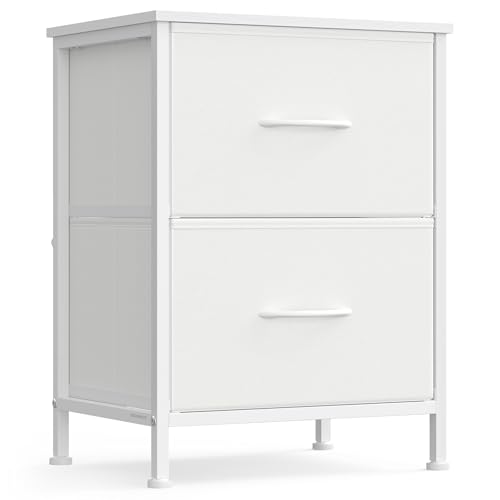
Small Dresser No Assembly Required: Ready-to-Use Storage Guide
Skip the tools and the frustration. Learn how pre-assembled and ready-to-use small dressers work, which materials hold up best, and how to match a no-assembly unit to your bedroom, closet, or tight floor plan.
EXPLORE READY-TO-USE OPTIONSWhy this guide matters: If you have ever opened a flat-pack box only to find forty screws and a diagram that makes no sense, you already understand the appeal of a small dresser that arrives ready to use. This guide walks you through what "no assembly required" really means, which construction types are realistic in a pre-built small dresser, and how to choose a unit that fits your room without compromising on storage quality.
What "No Assembly Required" Really Means
The phrase gets used loosely in furniture listings, so it helps to know the difference between a few common labels. A true no-assembly small dresser arrives fully built: the drawer boxes are already seated on their runners, the frame is joined, and the only thing you may need to do is attach a mirror, screw in the feet, or slide it into place. That is the standard most shoppers are looking for when they search for a small dresser with no assembly required.
A second category is "minimal assembly," which usually means the body is pre-built but the legs, handles, or anti-tip bracket still need attaching. These units take minutes rather than an afternoon, but they are not strictly tool-free. A third category is "ready-to-use" storage furniture such as plastic drawer towers or metal rolling cabinets, which often ship as a single molded or welded piece. Understanding which label applies to a listing prevents disappointment when the box arrives.
For shoppers who want a genuinely pre-built wooden piece, the realistic options tend to be smaller footprint dressers, accent chests, and bedside units. Larger solid wood dressers are almost always shipped knocked-down because of shipping weight and damage risk. That is why pairing a compact no-assembly unit with a complementary storage piece, such as a small dresser and nightstand set, is a practical way to furnish a room without picking up a screwdriver.
Who Should Choose a Pre-Assembled Small Dresser
A ready-to-use small dresser is not just a convenience for people who dislike tools. It solves real problems for specific living situations. Consider whether any of these describe you:
- Renters with limited modification rights: A pre-built unit can be moved in and out without drilling, hammering, or leaving wall damage behind.
- Apartment dwellers with tight stairwells: A compact dresser that arrives assembled is easier to maneuver than a large flat-pack box plus a half-built frame in a narrow hallway.
- Seniors and anyone with limited mobility: Avoiding floor-level assembly removes a genuine physical barrier to furnishing a bedroom independently.
- Busy households and guest rooms: When a room needs to be functional the same day, a no-assembly piece delivers immediate storage.
- Dorm rooms and temporary housing: Ready-to-use storage can be relocated at the end of a lease or semester without disassembly.
If your priority is maximizing drawer volume in a very small footprint, you may also want to compare drawer depth before committing to a pre-built model. Our guide to a small dresser with deep drawers explains how drawer depth affects usable capacity in compact units, which is especially relevant when a pre-assembled frame limits your options.
Construction Types You Will Encounter
Not every no-assembly dresser is built the same way, and construction directly affects durability, weight, and how the drawers feel over time. The three main categories below cover most of what you will find on the market.
Molded Plastic Drawer Towers
Lightweight, single-piece or snap-together plastic units are the most common true no-assembly option. They suit closets, dorms, and utility spaces well. Drawer slides are usually simple friction runners, so they are best for lightweight clothing and occasional use rather than heavy daily loads.
Pre-Built Engineered Wood
Factory-assembled engineered wood dressers with laminated or veneered surfaces offer a more furniture-like appearance. Drawers typically run on metal side slides. These units are heavier and need two people to move, but they deliver a balanced combination of appearance, storage volume, and structural rigidity for a bedroom.
Solid Wood Accent Chests
Small solid wood chests and accent dressers are often delivered fully joined, with dovetailed or reinforced drawer boxes and smooth-glide hardware. They are the heaviest and most durable category. Availability in a no-assembly format is limited to compact sizes, which makes them a strong long-term investment for a guest room or primary bedroom.
If you want to understand how solid wood compares with engineered alternatives before choosing a tier, our breakdown of solid wood vs engineered furniture explains the trade-offs in joinery, weight, and long-term wear. That context is useful because a pre-built engineered wood dresser can still be a solid choice for the tier, provided the drawer hardware is reputable.
Comparing No-Assembly Options at a Glance
The table below summarizes how the main categories differ across the factors that matter most when you are buying without assembly. Use it as a quick reference before reading individual product listings.
| Category | Tier | Best For | Drawer Mechanism | Portability |
|---|---|---|---|---|
| Plastic drawer tower | Entry-level | Closets, dorms, utility rooms | Friction runners | Very high |
| Pre-built engineered wood | Mid-range | Bedrooms, guest rooms, apartments | Metal side slides | Moderate |
| Solid wood accent chest | Premium | Primary bedrooms, long-term use | Ball-bearing or wood-on-wood | Low |
| Metal rolling cabinet | Mid-tier | Offices, craft rooms, bathrooms | Ball-bearing slides | High (with casters) |
A small rolling cabinet with drawers deserves special mention because casters make it genuinely mobile, which is useful if you rearrange a home office or need storage that can move between rooms. For bathroom storage, a compact water-resistant unit is a better fit, and our guide to a small dresser for bathroom storage covers the moisture considerations that pre-built furniture should meet.
How to Confirm Fit Before You Buy
Because a no-assembly dresser cannot be partially disassembled to squeeze through a doorway, measuring before purchase is more important than with flat-pack furniture. Work through these checks in order:
- Measure the delivery path: Doorway width, hallway turns, stairwell clearance, and elevator dimensions all matter. A unit that fits the room but not the corridor is a return waiting to happen.
- Measure the final footprint: Confirm the dresser depth against walking clearance, closet door swing, and any heating vents or outlets on the wall.
- Check drawer extension: A dresser needs additional space in front for drawers to open fully. Account for that clearance when placing the unit near a bed or doorway.
- Plan for anchoring: Even pre-built dressers should be secured to the wall where possible. Confirm the unit includes or accepts an anti-tip strap, especially in homes with children.
For very tight floor plans, a dedicated space-saving dresser guide can help you identify narrow-depth and corner-friendly formats. If the unit will live inside a wardrobe, our article on a small dresser that fits in closet covers internal clearance and ventilation in detail.
Materials and Finish Considerations
Pre-built furniture has already been finished at the factory, so you cannot inspect the joinery the way you would with a kit. Instead, focus on the surface and hardware. A laminated engineered wood body with sealed edges resists moisture better than unfinished particleboard, and powder-coated metal or sealed solid wood handles humidity well in bedrooms and bathrooms.
Paint and veneer quality also vary by tier. Mid-range and premium pre-built units typically use multi-layer finishes that resist chipping at the drawer edges, which is where wear appears first. If you are furnishing a child's room or a nursery, look for units with rounded corners, low-VOC finishes, and a secure anti-tip system. A compact small white dresser with drawers is a popular choice for bright, small bedrooms because the light finish keeps a tight room from feeling closed in.
Drawer Hardware and Daily Usability
Drawer slides are the part of a dresser you interact with every day, and they are the most common failure point in pre-built units. Friction runners on entry-level plastic towers are adequate for light clothing but can become stiff over time. Metal side slides on mid-range engineered wood units offer smoother travel and better weight support. Premium solid wood chests often use ball-bearing slides or traditional wood-on-wood runners, which can be serviced and adjusted.
If you plan to store heavier items such as denim, linens, or tools, a unit with reinforced slides is the better match. Our overview of heavy-duty drawer slides explains what to look for when drawer load capacity matters. Also check whether the drawer boxes have a stop mechanism, since over-travel stops prevent drawers from pulling completely out and landing on the floor.
Matching the Unit to the Room
A no-assembly small dresser works in more rooms than just the bedroom. In a home office, a compact unit can hold stationery, cables, and printer supplies; see our guide to a small chest of drawers for office use for layout ideas. In a living room, a low pre-built chest can double as a media console or entryway catch-all, and a small chest of drawers for living room placement guide covers cable management and visual balance.
For bedrooms, the key is balancing storage against walking space. A small dresser for small bedroom should leave at least a comfortable path beside the bed. In a closet, stackable or narrow units make better use of vertical space; our article on small dresser to put in closet explains how to avoid blocking hanging rails and shelving.
Safety Checks for Pre-Built Dressers
Pre-built furniture skips assembly, but it does not skip safety responsibility. Before placing a unit in a bedroom or nursery, confirm the following:
- The unit includes an anti-tip bracket or strap, and you have the tools to install it into a wall stud.
- Drawers have stops so they cannot be pulled fully out under load.
- The dresser is stable on its own feet and does not rock on a level floor.
- Any mirror or topper is factory-secured or comes with its own mounting hardware.
- For nurseries, the unit meets current tip-over safety standards and has no accessible sharp edges.
If you are furnishing a nursery, a compact changing unit is often the more practical choice than a standard dresser, and our guide to a small changing table dresser covers the safety features specific to that format.
Frequently Asked Questions
Is a no-assembly small dresser as sturdy as a flat-pack one?
In most cases, yes, and often more so. Factory assembly uses consistent joinery and controlled fastening, which reduces the risk of loose connections that can happen with home assembly. The trade-off is weight and shipping size, which is why no-assembly options are usually limited to compact dressers and accent chests.
Can I still move a pre-built dresser between rooms?
Yes, but plan the route first. Empty the drawers, remove any mirror or topper, and use two people for engineered wood or solid wood units. Plastic towers are light enough for one person. Measure doorways and stair turns before lifting, since a pre-built frame cannot be partially taken apart.
Do pre-built dressers include an anti-tip kit?
Many mid-range and premium units do, but entry-level models sometimes omit it. Check the product listing or the included hardware bag. If no bracket is supplied, a universal anti-tip strap is inexpensive and straightforward to install, and it is strongly recommended for any dresser in a home with children.
What is the difference between ready-to-use and minimal-assembly furniture?
Ready-to-use means the frame and drawers are fully built and the unit can be placed immediately. Minimal assembly means the body is pre-built but legs, handles, or a mirror still need attaching. Both are faster than flat-pack, but only ready-to-use units are genuinely tool-free. Confirm the label before ordering if avoiding assembly is your priority.
Are no-assembly dressers suitable for heavy clothing?
It depends on the drawer hardware. Entry-level plastic towers with friction runners are best for light clothing. Mid-range engineered wood with metal side slides and premium solid wood chests with ball-bearing slides handle heavier loads. Check the drawer weight rating and look for reinforced slide mounting if you plan to store denim or linens.
Ready to Choose Your Ready-to-Use Dresser?
A small dresser with no assembly required is a practical solution when time, mobility, or rental rules make flat-pack furniture a poor fit. Focus on the construction tier, confirm the delivery path and drawer clearance, and check the anti-tip hardware before placing the unit. With those three checks complete, you can furnish a bedroom, closet, or office the same day the box arrives.