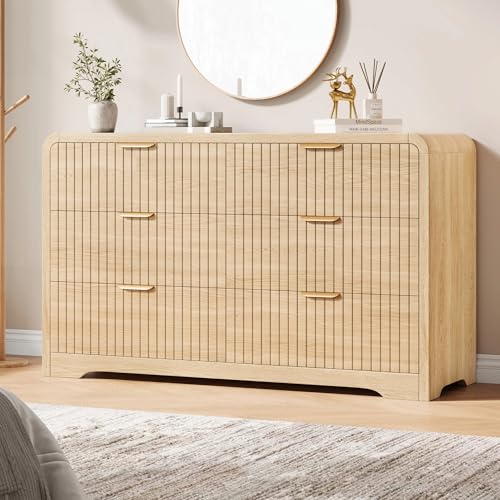
Ribbed Dresser: The Complete Guide to Textured Storage
Explore the world of ribbed dressers — from fluted drawer fronts to reeded side panels. Learn how to choose the right textured dresser for your bedroom, what to look for in materials and construction, and how to style this statement piece with confidence.
Start Your ResearchRibbed dressers have surged in popularity among interior design enthusiasts and homeowners seeking to add depth and character to their bedroom storage. Unlike flat-front dressers, a ribbed dresser features raised vertical or horizontal ridges — often called fluting or reeding — that create a tactile, sculptural effect. This textural detail transforms a functional piece of furniture into a visual focal point, making it an excellent choice for those who want their storage to double as a design statement.
Whether you are furnishing a modern apartment, refreshing a mid-century bedroom, or looking for a distinctive nursery dresser, understanding the nuances of ribbed dresser construction, materials, and sizing will help you make a confident purchasing decision. This guide covers everything you need to know, from the different ribbed patterns available to practical care tips and styling advice.
Quick Tip: Ribbed dressers are also referred to as fluted dressers, reeded dressers, or textured dressers depending on the depth and profile of the ridges. The terms are often used interchangeably in furniture retail, so keep all three in mind when searching.
What Is a Ribbed Dresser?
A ribbed dresser is a chest of drawers or dresser where the drawer fronts, side panels, or entire body feature a series of raised ridges. These ridges can be:
- Vertical fluting: The most common style, where parallel vertical grooves run from top to bottom of the drawer front.
- Horizontal reeding: Ridges that run side to side, creating a stacked or layered appearance.
- Curved or scalloped ribbing: A more decorative variation where the ridges follow a curved profile, often seen on premium and luxury tier pieces.
The ribbed effect is typically achieved through solid wood carving, MDF routing, or molded resin components applied to drawer fronts. The depth of the ridges can vary from subtle (a few millimeters) to deep and pronounced, with deeper ridges generally indicating more labor-intensive construction and a higher position within the market.
Beyond aesthetics, ribbed detailing can also serve a practical purpose: the ridges add structural rigidity to drawer fronts, which can help prevent warping over time. This makes ribbed dressers a smart choice for those who prioritize both form and function. If you are comparing ribbed designs with other textured options, you may also want to explore scalloped dressers for a softer, more feminine look, or serpentine dressers for curved silhouettes.
Types of Ribbed Dressers
Ribbed dressers come in several configurations, each suited to different room sizes, storage needs, and design preferences. Below is an overview of the most common types:
1. Full-Front Ribbed Dressers
In this style, the entire drawer front is covered in vertical or horizontal ribbing. This creates a bold, unified look and works especially well in modern and contemporary bedrooms. Full-front ribbed dressers are available in a range of drawer counts, from compact 3-drawer dressers to expansive 6-drawer dressers and beyond.
2. Partial or Accent Ribbing
Some designs incorporate ribbing only on the outer edges, the top drawer, or the side panels. This subtle approach adds texture without overwhelming the piece, making it a good option for smaller bedrooms or for those who prefer a more understated aesthetic.
3. Ribbed Side Panels with Smooth Drawer Fronts
This hybrid design pairs smooth, easy-to-clean drawer fronts with ribbed side panels. It offers the visual interest of texture while keeping the functional surfaces simple to maintain. This is a popular choice for mid-century dressers and Scandinavian dressers.
4. Ribbed Tallboy and Highboy Chests
Vertical ribbing is particularly striking on tall, narrow silhouettes. A tallboy chest with ribbed drawer fronts can make a dramatic statement in a compact footprint, making it ideal for small bedrooms or apartments. For those with limited floor space, skinny dressers with ribbed detailing offer a space-efficient solution.
Materials and Construction Quality
The material and construction of a ribbed dresser directly influence its durability, weight, and long-term appearance. Here is how the different tiers compare:
| Tier | Typical Materials | Construction Notes | Best For |
|---|---|---|---|
| Entry-level | Engineered wood with paper or laminate veneer | Shallow ribbing, stapled or glued construction | Light use, guest rooms, first apartments |
| Mid-range | Engineered wood with real wood veneer, or mixed solid wood | Deeper ribbing, doweled and screwed joinery, metal drawer glides | Primary bedrooms, daily use |
| Premium | Solid hardwood (oak, walnut, maple) | Hand-finished ribbing, dovetail joints, soft-close glides | Long-term investment, high-traffic bedrooms |
| Luxury | Premium solid woods, exotic veneers, custom finishes | Hand-carved ribbing, traditional joinery, bespoke hardware | Statement pieces, designer interiors |
When evaluating a ribbed dresser, pay close attention to the depth and consistency of the ribbing. Entry-level models often feature shallow, machine-pressed ridges, while premium and luxury tiers show deeper, more crisply defined fluting. Run your hand along the ridges — they should feel smooth and uniform, with no sharp edges or rough patches. For those interested in solid wood options, explore oak dressers and walnut dressers as excellent candidates for ribbed detailing due to their tight grain and durability.
Drawer glides are another critical factor. Mid-range and above should feature metal ball-bearing glides or soft-close mechanisms. Entry-level models may use nylon or simple roller glides, which are functional but less smooth over time. If you are handy with furniture hardware, upgrading glides is a straightforward improvement — see our guide on heavy-duty sliding drawer hardware for options.
Sizing Your Ribbed Dresser
Ribbed dressers are available in a wide range of dimensions. Choosing the right size depends on your room layout, storage requirements, and the visual weight of the textured design. Here are some general guidelines:
- Small bedrooms: Look for small dressers or narrow dressers in the 30–40 inch width range. Ribbing on a compact piece adds presence without overwhelming the space.
- Standard bedrooms: A wide dresser in the 55–65 inch range is a versatile choice, offering ample storage for clothing and accessories.
- Large bedrooms and master suites: Large dressers and 9-drawer dressers provide generous storage and make a stunning focal point when finished with ribbed detailing.
- Closets and dressing rooms: A dresser for closet with ribbed fronts can elevate the look of a walk-in closet while keeping organized.
Measure your available wall space carefully, and leave at least 30 inches of clearance in front of the dresser for comfortable drawer access. If you are placing the dresser opposite the bed, ensure there is enough walking space between the foot of the bed and the dresser. For rooms with limited depth, consider a shallow dresser — ribbing can make a shallow piece look more substantial than it is.
Height is another consideration. Standard dresser height ranges from 30 to 36 inches, while tall dressers can reach 50 inches or more. A ribbed tall dresser works well in rooms with high ceilings, while a low, wide ribbed dresser can make a room feel more spacious by keeping sightlines open.
Styles and Finishes for Ribbed Dressers
The ribbed texture interacts beautifully with a variety of finishes and color palettes. Here are some of the most popular options:
Natural Wood Finishes
Ribbing showcases the natural grain of wood, adding depth and shadow play. Natural wood dressers in oak, walnut, or maple are timeless choices that work in both modern and traditional settings. A rustic wood dresser with ribbed detailing can bring warmth and texture to a farmhouse-style bedroom.
Painted Finishes
White, black, gray, and sage green are popular painted finishes for ribbed dressers. A white dresser with vertical ribbing creates a bright, airy feel, while a black dresser with ribbed fronts makes a bold, dramatic statement. Sage green dressers offer a soft, nature-inspired alternative that pairs well with neutral bedding and natural materials.
Specialty Finishes
For those seeking something more distinctive, consider shagreen dressers, which feature a textured, leather-like surface that complements ribbed detailing beautifully. Rose gold dressers and silver dresser sets offer metallic accents that catch the light and emphasize the ribbed pattern.
Design Tip: Ribbed dressers with metallic hardware — such as gold hardware dressers or black hardware dressers — can create a cohesive, polished look. The hardware should complement, not compete with, the ribbed texture.
How to Style a Ribbed Dresser
A ribbed dresser is a natural focal point, so styling should enhance rather than obscure its texture. Here are some practical styling ideas:
- Keep the top surface uncluttered: A ribbed dresser already has visual complexity. Limit decor to a few well-chosen items — a table lamp, a small plant, and a tray for everyday essentials.
- Use a mirror to amplify texture: A dresser with mirror not only adds function but also reflects light and draws attention to the ribbed pattern.
- Layer with textiles: A linen runner or a small woven mat on top of the dresser can soften the look and add another layer of texture.
- Coordinate with bedroom furniture: A ribbed dresser pairs well with dresser and nightstand sets in matching finishes, or with contrasting textures for an eclectic look.
- Consider lighting: A dresser lamp with a warm bulb will highlight the ridges and create a cozy ambiance in the evening.
For more inspiration, explore our dresser styling tips and dresser top decor ideas. If you are working with a small bedroom, our small bedroom dresser ideas guide offers space-saving solutions that incorporate textured pieces.
Caring for Your Ribbed Dresser
The textured surface of a ribbed dresser requires slightly different care than a flat-front piece. Dust and debris can accumulate in the grooves, so regular maintenance is key:
- Dust weekly: Use a microfiber cloth or a soft brush attachment on your vacuum. Work along the direction of the ridges to lift dust effectively.
- Clean spills promptly: Blot with a damp cloth, then dry immediately. Avoid letting moisture sit in the grooves, as this can damage wood finishes over time.
- Use appropriate products: For wood finishes, a mild wood cleaner or a damp cloth with a small amount of dish soap is sufficient. Avoid abrasive cleaners or scrubbing pads that can dull the finish.
- Protect from direct sunlight: Prolonged sun exposure can cause fading and uneven coloration, especially on natural wood finishes.
- Check hardware periodically: Tighten screws and lubricate drawer glides as needed to keep the dresser functioning smoothly.
If you are considering refinishing or repainting a ribbed dresser, the process is similar to that for flat-front pieces but requires extra care around the ridges. See our guides on sanding and repainting furniture and how to paint a dresser for step-by-step instructions.
What to Look for When Buying a Ribbed Dresser
Before making a purchase, keep these key factors in mind:
- Inspect the ribbing quality: Run your hand over the surface. Ridges should be smooth, uniform, and free of splinters or rough edges. Deeper ribbing generally indicates higher-quality construction.
- Check drawer operation: Open and close each drawer fully. Glides should operate smoothly without wobbling or sticking. Soft-close mechanisms are a hallmark of mid-range and above tiers.
- Evaluate the joinery: Look for dovetail joints at the drawer corners — a sign of quality construction. Stapled or glued joints are common at entry-level but may not hold up to years of daily use.
- Confirm dimensions: Measure your space and compare against the product specifications. Consider both the footprint and the height, especially if you plan to place a mirror or artwork above the dresser.
- Consider the finish: Matte finishes hide fingerprints better than high-gloss, while textured finishes can be more forgiving of minor wear. Choose a finish that aligns with your maintenance preferences.
- Safety features: For nursery or child-accessible rooms, look for anti-tip hardware and secure the dresser to the wall. Our guide on nursery dressers covers safety considerations in detail.
If you are shopping for a second-hand piece, inspect it thoroughly for structural damage, water stains, and drawer alignment issues. A second-hand dresser with ribbed detailing can offer excellent value if the bones are solid. For those interested in restoring a vintage piece, vintage dressers and antique chests often feature hand-carved ribbing that is difficult to find in modern manufacturing.
Ribbed Dressers by Room
The versatility of ribbed dressers extends beyond the bedroom. Here is how they can work in different spaces:
Bedroom
A ribbed dresser in the bedroom serves as both storage and a design feature. Pair a natural wood ribbed dresser with matching nightstands for a cohesive look, or mix and match finishes for a curated, layered aesthetic. For a modern bedroom, a modern dresser with subtle fluting creates a clean, sophisticated vibe.
Nursery
Ribbed dressers are increasingly popular in nurseries, where their soft texture adds visual warmth. A sage green dresser for nursery with ribbed fronts offers a calming, gender-neutral option. Ensure the dresser is securely anchored to the wall and that any changing pad is properly attached — see our guide on securing a changing pad to a dresser for safety tips.
Living Room
In an open-plan living space, a ribbed dresser can function as a sideboard or media console. A sideboard dresser with textured fronts adds architectural interest while providing practical storage for linens, tableware, or media accessories. For a more eclectic look, consider a repurposed dresser — an old dresser given new life with a ribbed panel treatment.
Closet and Dressing Room
A ribbed dresser in a walk-in closet or dressing room elevates the space from purely functional to boutique-like. A closet dresser with fluted fronts can organize jewelry, accessories, and folded clothing while looking beautiful. For tight spaces, a short dresser for closet or a skinny dresser for small spaces may be the right fit.
Ribbed Dressers vs Other Textured Styles
If you are drawn to textured furniture, you may be considering several options. Here is how ribbed dressers compare:
- Ribbed vs Scalloped: Ribbed dressers feature straight, parallel ridges, while scalloped dressers have curved, shell-like edges. Ribbed designs are generally more geometric and modern; scalloped designs lean feminine and traditional.
- Ribbed vs Shaker: Shaker dressers have recessed panels rather than raised ridges. Shaker style is simpler and more traditional, while ribbed dressers offer more visual and tactile interest.
- Ribbed vs Slab: Slab dressers have flat, uninterrupted drawer fronts. Ribbed dressers add texture that can make a piece feel more substantial and designer-inspired.
- Ribbed vs Serpentine: Serpentine dressers feature curved, undulating fronts. Ribbed dressers offer a more linear, architectural aesthetic by comparison.
If you are unsure which style suits your space, consider the overall design language of your bedroom. Ribbed dressers pair well with clean lines and minimalist decor, while scalloped and serpentine styles work better in rooms with softer, more traditional furnishings.
Frequently Asked Questions About Ribbed Dressers
What is a ribbed dresser?
A ribbed dresser is a storage piece featuring vertical or horizontal raised ridges on its drawer fronts or body. Also known as fluted or reeded dressers, these pieces add texture and depth to furniture design, creating a tactile, sculptural effect that elevates the visual appeal of a bedroom or living space.
Are ribbed dressers durable?
Durability depends on the material and construction. Solid wood ribbed dressers with reinforced joinery offer excellent longevity, while engineered wood models with quality veneers can provide solid performance at entry-level and mid-range tiers. Always check drawer glides and structural integrity before purchasing, and look for dovetail joints as a sign of quality construction.
How do I clean a ribbed dresser?
Use a microfiber cloth or soft brush to dust the ridges, working along the grain direction. For deeper cleaning, use a mild wood-safe cleaner and avoid excessive moisture. A vacuum with a brush attachment works well for textured surfaces. Clean spills promptly and dry immediately to prevent moisture damage in the grooves.
What room styles suit a ribbed dresser?
Ribbed dressers work beautifully in modern, contemporary, mid-century, and Scandinavian interiors. The textured surface adds depth to minimalist spaces and complements both neutral and bold color palettes. They also work well in farmhouse and rustic settings when paired with natural wood finishes and complementary textures.
Can a ribbed dresser be repainted or refinished?
Yes, ribbed dressers can be repainted or refinished, but the process requires extra care around the ridges. Sanding between coats is more challenging on textured surfaces, so using a high-quality primer and a spray application can help achieve a smooth, even finish. See our guide on sanding and repainting furniture for detailed instructions.
What is the difference between ribbed and fluted dressers?
The terms are often used interchangeably. "Fluted" typically refers to rounded, concave grooves, while "ribbed" can describe either rounded or angular ridges. In practice, both terms describe the same textural effect — raised or recessed lines that add dimension to drawer fronts. Some retailers use "reeded" to describe deeper, more pronounced ribbing.
Final Thoughts on Choosing a Ribbed Dresser
A ribbed dresser is more than just a storage solution — it is a design element that brings texture, depth, and character to a room. Whether you are drawn to the bold statement of a full-front fluted dresser or the subtle elegance of ribbed side panels, this guide provides the foundation you need to make an informed decision.
Focus on quality construction, appropriate sizing for your space, and a finish that aligns with your style. Consider how the dresser will function in your daily life, and do not overlook safety features, especially if the dresser will be used in a child's room. With the right ribbed dresser, you can enjoy a beautiful, organized, and stylish bedroom for years to come.
Ready to explore your options? Browse our recommended selection below to find a ribbed dresser that suits your needs and elevates your bedroom design.
Explore Ribbed Dresser Options