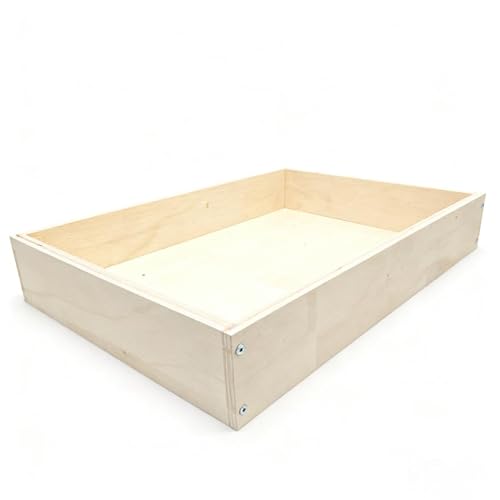
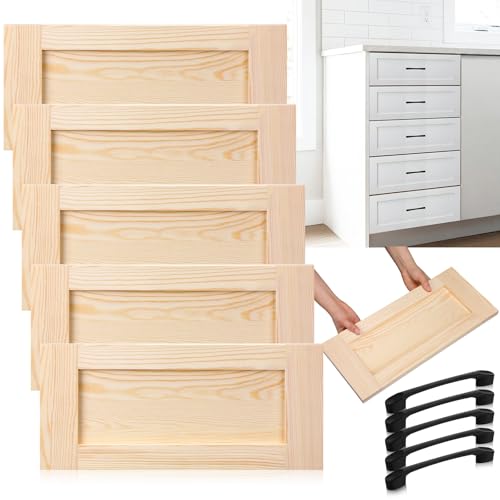
Replacement Kitchen Cabinet Doors and Drawers: Complete Guide
Refresh your kitchen's look without a full remodel. Learn how to choose, measure, and install replacement cabinet doors and drawer fronts that transform your space.
Explore Replacement OptionsWhy replace just the doors and drawers? If your cabinet boxes are structurally sound, replacing only the doors and drawer fronts is one of the most efficient ways to modernize a kitchen. You keep the existing layout and structure while upgrading the visible surfaces, hardware, and finish to match your current style.
What Are Replacement Kitchen Cabinet Doors and Drawers?
Replacement kitchen cabinet doors and drawers are new front panels designed to fit over your existing cabinet framework. Instead of tearing out entire cabinet units, you swap out the doors and drawer fronts, often called "refacing" or "door-and-drawer replacement." This approach is popular among homeowners who want a fresh aesthetic but prefer to keep their current cabinet layout, storage capacity, and structural integrity intact.
The process involves removing old doors and drawer fronts, then installing new ones that match the measurements of your existing openings. You can also upgrade hinges, slides, and pulls during the same project, which improves both function and appearance. If your kitchen also includes other storage pieces, like a kitchen cabinet doors and drawers setup, matching the finishes across your cabinetry creates a cohesive result.
Many homeowners pair this project with broader updates, such as adding a dresser cabinet or entryway cabinet with doors and drawers for adjacent spaces, ensuring a unified look throughout the home. The same principles of measuring, material selection, and hardware coordination apply across all cabinet-based furniture.
Why Choose Replacement Doors and Drawers Instead of Full Cabinet Replacement?
Full cabinet replacement is a major renovation that involves demolition, new box installation, countertop adjustments, and often plumbing or electrical work. Replacement doors and drawer fronts skip most of that disruption. The main advantages include:
- Preserved layout: Your existing storage configuration stays exactly as it is, so you avoid redesigning the workflow of your kitchen.
- Faster project timeline: Door and drawer replacement typically takes days rather than weeks, minimizing downtime in the most-used room of the home.
- Reduced waste: Reusing cabinet boxes keeps functional material out of landfills, making this a more sustainable choice.
- Flexible style updates: You can switch from raised-panel to shaker-style fronts, or from dark wood tones to painted finishes, without touching the cabinet structure.
- Hardware upgrades: New doors are an ideal time to install soft-close hinges, full-extension slides, and updated pulls for smoother daily use.
For cabinets in bathrooms or laundry areas, the same approach applies—see replacing bathroom cabinet doors and drawers for a parallel guide. The logic is consistent: if the box is solid, the front is the part worth renewing.
Materials for Replacement Cabinet Doors and Drawer Fronts
The material you choose affects durability, weight, finish options, and how the doors feel in daily use. Below are the most common options, grouped by market tier rather than any specific numeric figure.
Entry-Level Tier
Thermofoil and laminate fronts offer a smooth, uniform surface that resists moisture and wipes clean easily. They are a practical choice for busy kitchens and rental properties where a fresh look matters more than long-term material longevity.
Mid-Range Tier
Medium-density fiberboard (MDF) with painted or veneered finishes provides a stable, smooth substrate. MDF holds paint well and is common in shaker-style doors, giving a balanced combination of appearance and durability for most households.
Premium Tier
Plywood-core doors with wood veneers resist warping better than MDF in humid conditions. They accept stains and painted finishes evenly and are a solid choice for kitchens that see heavy daily use.
High-End Tier
Solid wood doors, particularly in oak, maple, or walnut, offer the most authentic grain appearance and can be refinished in the future. They are a long-term investment for homeowners planning to stay in place.
If you are also considering unfinished options for a custom paint match, unfinished cabinet doors and drawer fronts give you full control over the final color. For drawer-specific replacements, replacement kitchen drawer fronts covers sizing and style considerations in more detail.
Popular Styles for Replacement Kitchen Cabinet Doors
Style is where replacement doors make the biggest visual impact. The most common options include:
- Shaker: A recessed center panel with a simple frame. It is the most versatile style, fitting modern, transitional, and farmhouse kitchens equally well. If you like this look, the shaker-style dresser guide explains how the same design language carries into bedroom furniture.
- Flat-panel (slab): A clean, uninterrupted surface that suits minimalist and contemporary kitchens. Easy to clean and available in a wide range of finishes.
- Raised-panel: A traditional profile with a center panel that sits above the frame. It adds visual depth and works well in classic and period-style homes.
- Beadboard: A vertical grooved pattern that brings a cottage or farmhouse feel. Often used on island backs or selected cabinet runs rather than the entire kitchen.
- Glass-front: Ideal for display cabinets. Glass panels pair well with interior lighting and open shelving nearby.
Drawer fronts usually mirror the door style but can also be slab fronts for a more contemporary contrast. Consistency between doors and drawers is the safest approach unless you are deliberately mixing styles.
How to Measure for Replacement Cabinet Doors and Drawers
Accurate measurement is the single most important step. A door that is even slightly off will not hang correctly or may not cover the opening properly.
- Identify the cabinet type: Determine whether your cabinets are overlay (door sits over the frame) or inset (door sits flush inside the frame). Most modern cabinets are overlay.
- Measure each opening individually: Do not assume all openings are identical. Record width and height for every door and drawer front separately.
- Account for overlay: For overlay doors, measure the opening and add the overlay amount on each side. Standard overlays range from partial to full, and the hinge type must match.
- Note hinge and slide positions: Existing hinge bore holes and drawer slide locations should be replicated on new fronts, or you will need to adjust hardware.
- Double-check before ordering: Measure twice, record in a table, and compare against the manufacturer's sizing guide. Many suppliers offer a measurement template to reduce errors.
If you are also refreshing other cabinetry, such as cupboard replacement doors or replacement kitchen doors and drawers, keep a single measurement sheet for all pieces so finishes and dimensions stay consistent.
Hardware and Accessories to Pair with New Doors
New doors and drawer fronts are an opportunity to upgrade the parts you touch every day. Consider these additions:
- Soft-close hinges: Prevent doors from slamming and reduce wear on the frame over time.
- Full-extension drawer slides: Allow access to the entire drawer interior, which is especially useful for deep drawers.
- Pulls and knobs: Match the finish to your lighting and appliances. Pull handles for dresser drawers and mid-century cabinet pulls show how hardware changes the character of a piece.
- Magnetic catches: A magnetic cabinet door catch is a simple upgrade for doors that do not use soft-close hinges, keeping them firmly closed.
- Door dampers and bumpers: Small additions that reduce noise and protect the finish.
Comparison: Door and Drawer Options by Tier
| Tier | Typical Materials | Best For | Considerations |
|---|---|---|---|
| Entry-level tier | Thermofoil, laminate | Rental properties, quick refreshes | Uniform surface, limited repair options |
| Mid-range tier | MDF with paint or veneer | Family kitchens, shaker-style designs | Stable substrate, good paint adhesion |
| Premium tier | Plywood core with veneer | Humid climates, heavy daily use | Better warp resistance, accepts stain |
| High-end tier | Solid wood (oak, maple, walnut) | Long-term homes, refinishable surfaces | Authentic grain, can be refinished later |
Installation Overview: What to Expect
Installation of replacement doors and drawer fronts is a manageable DIY project for most homeowners, though professional installation is available for complex layouts. The general sequence is:
- Remove existing doors and drawer fronts, labeling each one with its location.
- Inspect the cabinet boxes for damage and repair loose hinges or stripped screw holes.
- Install new hinges on the doors, following the manufacturer's template.
- Attach drawer fronts to the existing drawer boxes, checking alignment as you go.
- Mount doors on the cabinet frame and adjust hinges for even gaps.
- Install pulls and knobs, then test all doors and drawers for smooth operation.
For related projects, such as replacement kitchen cabinet doors and drawers in a different room or a white cabinet with sliding doors for storage, the same measurement-first approach applies.
Matching Replacement Doors with Other Furniture
A kitchen refresh often sparks ideas for adjacent spaces. If your home has a consistent design language, you may want to coordinate finishes across furniture. For example, a dresser table with drawers in a dining nook or a tall bedroom cabinet with drawers can echo the door style and hardware you choose for the kitchen. The goal is not identical pieces but a shared vocabulary of materials and finishes.
If you are also updating bedroom storage, guides like solid wood bedroom dresser set and white dresser with white handles show how hardware and finish choices carry across rooms. Consistency in these details makes a home feel intentional rather than pieced together.
Common Mistakes to Avoid
- Ordering without measuring each opening: Assuming uniformity is the most common cause of returns and delays.
- Ignoring hinge type: Overlay and inset doors require different hinges; mismatches cause alignment problems.
- Choosing finish before considering lighting: Cabinet colors can look different under natural versus artificial light. Order samples when possible.
- Skipping drawer slide checks: New, heavier drawer fronts may need upgraded slides to operate smoothly.
- Forgetting about reveal gaps: The small space between doors and frames affects the final look; confirm the expected reveal with your supplier.
Frequently Asked Questions
Ready to Refresh Your Kitchen?
Browse recommended replacement cabinet doors and drawer fronts below. Compare materials, styles, and hardware to find the right fit for your kitchen project.
View Recommended Products