Kitchen Cabinet Doors and Drawers: The Complete Guide
Everything you need to choose, upgrade, or replace your kitchen cabinet doors and drawers. Compare styles, materials, hardware, and construction so you can make a confident decision before you buy.
Explore Styles & OptionsWhy this guide matters: Cabinet doors and drawers define both the look and the daily function of your kitchen. The right combination improves storage access, protects your cabinetry, and elevates the entire room. This guide walks you through every decision point in plain language.
Doors vs. Drawers: Understanding the Difference
Kitchen cabinetry is built around two primary access types: doors and drawers. Cabinet doors swing open on hinges and conceal interior shelves, making them ideal for larger items such as pots, pans, mixing bowls, and stacked dishes. Drawers slide out on runners and provide full visibility and reach, which makes them the preferred choice for cutlery, utensils, spices, and smaller everyday items. Most well-designed kitchens combine both to balance storage capacity with ergonomic access.
Understanding this distinction is the first step in planning a remodel or refacing project. If you are weighing a full replacement against a lighter refresh, exploring replacement kitchen cabinet doors and drawers options can help you decide how much of the existing structure to keep. For projects that focus only on the drawer portion, replacement kitchen drawer fronts offer a targeted way to update the look without touching the boxes.
Popular Kitchen Cabinet Door Styles
Door style sets the visual tone of the kitchen. The most common profiles fall into a few clear categories, each with distinct strengths. The table below compares them by character, maintenance needs, and the kitchen styles they suit best.
| Door Style | Best For | Character | Maintenance |
|---|---|---|---|
| Shaker (five-piece) | Transitional, modern, farmhouse | Clean recessed panel, timeless | Easy to wipe clean |
| Flat slab | Contemporary, minimalist | Sleek, seamless surface | Very low maintenance |
| Raised panel | Traditional, classic | Ornate, dimensional profile | Needs occasional dusting in grooves |
| Beadboard | Cottage, country, coastal | Vertical grooved texture | Moderate; grooves collect dust |
| Glass-front | Display, upper cabinets | Open, airy, showcase effect | Requires regular glass cleaning |
Shaker Style
A recessed center panel framed by four rails. Works across nearly every design language and is widely available in refacing programs. A dependable default when you want long-term flexibility.
Flat Slab
A single flat panel with no framing. Offers a crisp, uninterrupted look and is simple to clean. Pairs naturally with handleless or integrated-pull designs.
Raised Panel
A center panel that sits proud of the frame, creating depth and shadow lines. Suits traditional and period-inspired kitchens where detail is valued.
Glass & Open Frame
Glass inserts turn upper cabinets into display space. Best used selectively to avoid visual clutter, and often paired with interior lighting.
Drawer Fronts and Drawer Box Construction
Drawer performance depends on two separate components: the drawer front (the visible face) and the drawer box (the sides, bottom, and runner system). The front determines style; the box determines how smoothly and quietly the drawer operates over time.
Drawer boxes are commonly built in three tiers:
- Entry-level tier: stapled or glued particleboard boxes with basic side-mounted runners. Adequate for light use in secondary spaces.
- Mid-range tier: plywood or solid-wood boxes with undermount soft-close runners. A balanced choice for busy family kitchens.
- Premium tier: dovetail-jointed solid-wood boxes with full-extension, heavy-duty soft-close runners. Built for daily intensive use and long service life.
If your current boxes are sound, changing only the visible faces is efficient. Replacement kitchen doors and drawers can modernize the appearance while preserving the existing carcasses. For partially finished projects, unfinished cabinet doors and drawer fronts let you apply a custom finish that matches your chosen color palette.
Materials and Finishes Compared
The material of a door or drawer front affects durability, weight, moisture resistance, and how the finish ages. Here is a practical comparison of the most common options.
| Material | Durability | Moisture Resistance | Best Suited To |
|---|---|---|---|
| Solid wood | High; repairable | Moderate; needs sealed finish | Long-term investment kitchens |
| Plywood with veneer | High; stable | Good when edge-sealed | Balanced tier remodels |
| MDF (painted) | Moderate; smooth surface | Low; avoid prolonged water contact | Smooth painted finishes |
| Thermofoil / laminate | Moderate | Good | Low-maintenance family kitchens |
| Stainless steel / metal | Very high | Excellent | Professional-grade and commercial-grade kitchens |
Solid wood remains the benchmark for repairability and longevity, while engineered options deliver consistent surfaces and stable performance in humid conditions. The right pick depends on your climate, cleaning habits, and how long you intend to keep the kitchen. For a deeper look at cabinet body construction alongside doors, see our notes on unfinished kitchen cabinets with drawers and unfinished base cabinets with drawers.
Hardware: Hinges, Runners, and Pulls
Hardware is the most overlooked part of a cabinet project and the one users notice every day. Hinges control how doors close; runners control drawer glide; pulls control how comfortable the kitchen feels in use.
Hinges
Concealed European-style hinges with soft-close dampers are the modern standard. They are adjustable in three planes, which makes alignment straightforward. Cheaper exposed hinges are simpler but offer less adjustability and a more dated look.
Drawer Runners
Side-mounted runners are the entry-level tier; undermount soft-close runners are the mid-range standard; full-extension heavy-duty runners belong to the premium tier. If you are upgrading drawer fronts only, confirm runner compatibility before ordering.
Pulls and Knobs
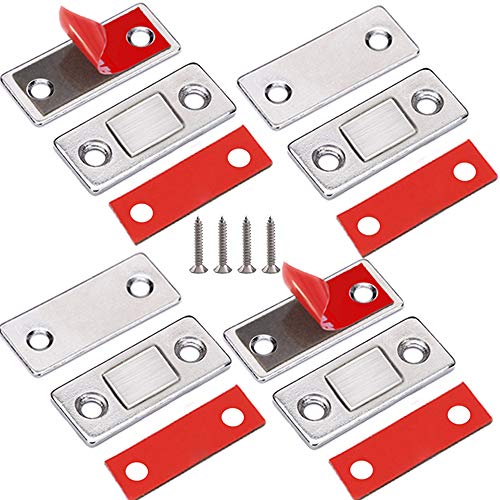
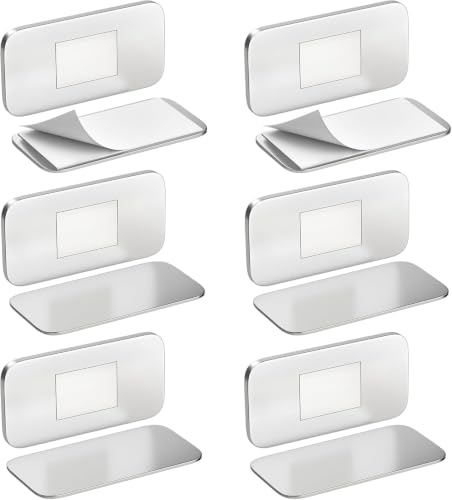
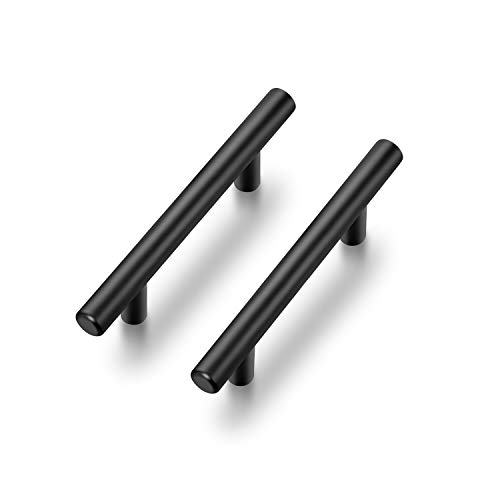
Pull style should match the door profile. Bar pulls suit modern slab doors; cup pulls and bin pulls suit Shaker and farmhouse designs; knobs work on both but are less ergonomic on wide drawers. A magnetic catch can also help doors close cleanly where hinges alone are not enough — see magnetic cabinet door catch options for a simple retrofit.
Replacing, Refacing, or Refinishing?
There are three main paths to updating kitchen cabinet doors and drawers, and each suits a different situation.
- Full replacement: new boxes plus new doors and drawers. Appropriate when the carcasses are damaged, poorly laid out, or the kitchen is being reconfigured.
- Refacing: keep the boxes, replace doors and drawer fronts, and apply new veneer or laminate to the exposed frames. The most efficient option when the structure is solid. Explore cupboard replacement doors and unfinished cabinet doors and drawer fronts for finish flexibility.
- Refinishing: sand and repaint or re-stain existing doors. The lowest-disruption option, best for sound surfaces and simple color changes.
Bathroom cabinetry follows the same logic, and the same principles apply to replacing bathroom cabinet doors and drawers when a coordinated whole-home refresh is on the table.
Ready to Compare Your Options?
Browse curated kitchen cabinet doors and drawers, check availability, and read full specifications before you commit.
View Recommended ProductsHow to Measure Before You Order
Accurate measurement prevents costly returns. Follow this sequence for each door and drawer front:
- Measure the width and height of the opening, not the existing door, if you are ordering full-overlay replacements.
- Record the overlay type — full overlay, half overlay, or inset — because it changes how the door sits against the frame.
- Note hinge bore positions and cup diameter if reusing existing hinges.
- For drawer fronts, measure the visible face height and width, and confirm the runner type underneath.
- Photograph each opening with a tape measure in frame for reference during ordering.
Frequently Asked Questions
What is the difference between kitchen cabinet doors and drawers?
Which cabinet door style is most popular for kitchens?
Can I replace just the kitchen cabinet doors and drawer fronts?
What is the best material for kitchen cabinet doors?
Do I need soft-close hinges and runners?
Final Checklist Before You Buy
Use this checklist to confirm every decision point is covered:
- Door style chosen and consistent with the rest of the kitchen.
- Drawer fronts sized to the existing boxes or new boxes specified.
- Material selected with moisture exposure and cleaning habits in mind.
- Hinge type, runner type, and pull style confirmed as compatible.
- Overlay type and measurements double-checked against every opening.
- Refacing versus replacement decision made and justified by the condition of the boxes.
Once these boxes are ticked, you are ready to move from research to purchase with confidence. Use the product section below to compare options in detail.