Magnetic Cabinet Door Catch: The Complete Guide
Everything you need to know about magnetic cabinet door catches — how they work, which type fits your cabinet, and how to install them for a secure, silent close every time.
Why a magnetic cabinet door catch matters: A properly chosen magnetic catch keeps cabinet doors aligned, prevents rattling, and protects your cabinet finish from repeated slamming. Whether you are refreshing kitchen cabinets, a bathroom vanity, or a bedroom dresser, understanding catch types, holding strength, and installation is the fastest path to a door that closes firmly and quietly.
What Is a Magnetic Cabinet Door Catch?
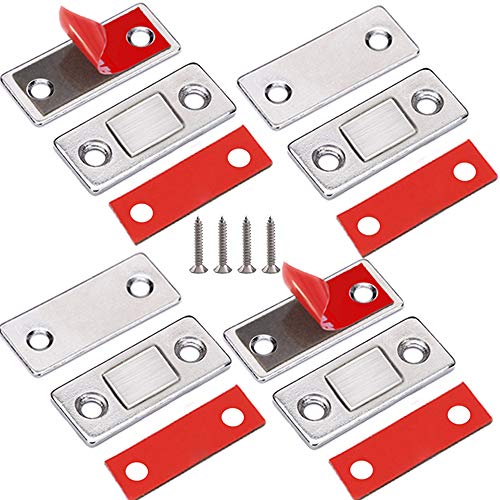
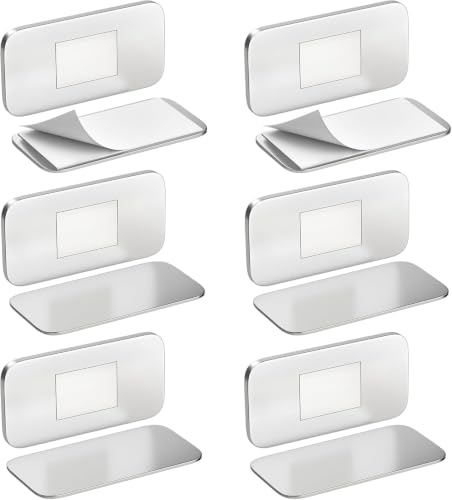
A magnetic cabinet door catch is a small hardware component that uses a permanent magnet to hold a cabinet door closed against the frame. It typically consists of two parts: a magnet mounted on the cabinet frame or door, and a strike plate (or steel washer) mounted on the opposite surface. When the door swings shut, the magnet grips the strike plate and keeps the door in place without the need for a visible latch or knob turn.
Magnetic catches are popular because they are invisible when the door is closed, require no handle operation to open (a gentle pull releases the magnet), and work well on both framed and frameless cabinets. They are commonly found in kitchens, bathroom vanities, bedroom dressers, entertainment units, and storage cabinets — any place where a clean, hardware-minimal look is desired.
How Magnetic Cabinet Catches Work
The mechanism is straightforward but the details matter. A magnetic catch uses one of two common designs:
Single-Magnet Catch
One magnet housing is screwed to the cabinet frame, and a steel strike plate is attached to the door. The magnet pulls the strike plate when the door is near closed. These are the most common and simplest to install.
Double-Magnet Catch
Two magnet housings (or a magnet and a magnetized strike) provide stronger holding force. Often used on larger or heavier doors where a single magnet may not be enough to prevent rattle or gap.
Roller Catch with Magnet
Combines a roller mechanism with a magnetic assist. The roller provides mechanical resistance and the magnet adds holding force. Useful where you want a more tactile close.
Push-to-Open Magnetic Catch
Designed for handle-less cabinets. A push on the door releases the magnetic hold, and the door springs open slightly. Ideal for modern, minimal cabinet fronts.
Types of Magnetic Catches and How to Choose
Choosing the right catch depends on door weight, cabinet construction, and how you want the door to feel when opening and closing. Use the table below as a quick reference.
| Catch Type | Best For | Holding Strength | Installation Complexity |
|---|---|---|---|
| Standard single-magnet catch | Light to medium cabinet doors, bedroom dressers, bathroom vanities | Entry-level to mid-range | Easy — two screws per part |
| Double-magnet catch | Larger kitchen doors, heavy drawer fronts, doors that tend to rattle | Mid-range to high-end tier | Easy to moderate |
| Push-to-open magnetic catch | Handle-less modern cabinets, minimal kitchens, media units | Balanced tier | Moderate — alignment critical |
| Roller magnetic catch | Doors needing tactile feedback, older cabinets with slight warping | Mid-tier | Moderate |
| Heavy-duty magnetic catch | Commercial cabinets, large wardrobe doors, outdoor storage | Top-tier / commercial-grade | Moderate to advanced |
Materials, Finishes, and Durability
Magnetic catches are small, but their materials determine how long they last and how well they perform in humid or high-use environments.
Housing Materials
- ABS plastic: Most common for residential catches. Lightweight and adequate for standard doors. Choose reinforced or high-grade plastic for better screw retention.
- Zinc-plated steel: Stronger housing and better screw threads. A solid choice for kitchen and bathroom cabinets where moisture is present.
- Stainless steel: Best for humid or coastal environments. Rust-proof finish and heavy-duty construction make it a long-term investment for high-use cabinets.
- Brass or nickel-plated: Often used on decorative or visible catches. Provides corrosion resistance and a finished look, though usually hidden when the door is closed.
Magnet Strength and Coating
Neodymium magnets offer the strongest holding force for their size, followed by ceramic or ferrite magnets. A rust-resistant coating on the magnet and strike plate extends life in kitchens and bathrooms. For cabinets near steam or splashes, choose catches explicitly rated for humid environments.
How to Install a Magnetic Cabinet Door Catch
Installation is a straightforward DIY task, but alignment is the key to a quiet, secure close. Follow these steps:
- Prepare the surfaces: Clean the cabinet frame and door edge where the catch will sit. Remove any old hardware and fill screw holes if needed.
- Position the magnet housing: Hold the magnet housing against the cabinet frame (or door, depending on design) so the magnet faces the strike plate location. Mark screw holes with a pencil or awl.
- Pre-drill pilot holes: Use a drill bit slightly smaller than the screw diameter to prevent splitting, especially in solid wood or particleboard.
- Mount the magnet housing: Screw the housing in place, but leave the screws slightly loose for final adjustment.
- Mount the strike plate: Close the door gently and mark where the strike plate meets the magnet. Mount the strike plate on the door (or frame) so that it aligns flush with the magnet when the door is closed.
- Test and adjust: Close the door and check that the magnet engages fully. Adjust the housing or strike plate position until the door closes firmly without rattling or gaps. Tighten all screws.
Where Magnetic Catches Work Best
Kitchen Cabinets
Keep upper and lower cabinet doors aligned and rattle-free. Choose zinc-plated or stainless steel housings for moisture resistance. Pair with quality kitchen cabinet doors and drawers for a cohesive update.
Bathroom Vanities
Humidity is the main enemy. Select rust-proof finishes and consider a stainless steel catch. Works well with replacing bathroom cabinet doors and drawers projects.
Bedroom Dressers
A magnetic catch keeps dresser doors and drawers closed and prevents dust ingress. For dresser upgrades, see our dresser cabinet guide and pull handles for dresser drawers.
Entryway and Storage Cabinets
Ideal for entryway cabinets with doors and drawers and other high-traffic storage where doors should stay shut without visible latches.
Replacing Old Catches and Upgrading Cabinet Doors
If your cabinet doors no longer stay closed, the catch is often the first component to wear out. Replacing a magnetic catch is one of the simplest and most effective cabinet upgrades. Before ordering, check the door thickness, existing screw hole spacing, and whether the cabinet is framed or frameless.
When replacing cabinet doors entirely, pair new doors with fresh catches for a clean, reliable close. Explore replacement kitchen cabinet doors and drawers, replacement kitchen doors and drawers, and replacement kitchen drawer fronts to coordinate hardware and finishes.
Magnetic Catch vs. Other Cabinet Catches
| Catch Type | Best For | Pros | Considerations |
|---|---|---|---|
| Magnetic catch | Residential cabinets, dressers, vanities | Invisible, simple, quiet close | Holding force varies; magnet can lose strength over time |
| Roller catch | Older cabinets, doors with slight warp | Mechanical feedback, durable | Can be noisy; visible hardware |
| Touch latch | Handle-less cabinets | Push-to-open convenience | Requires precise alignment; can wear |
| Bullet catch | Light doors, small cabinets | Simple, low-profile | Less holding force; adjustment sensitive |
Frequently Asked Questions
How strong should a magnetic cabinet door catch be?
Match the catch to the door weight. Standard single-magnet catches are fine for light to medium doors. For larger kitchen doors or doors that rattle, choose a double-magnet or heavy-duty catch in the mid-range to high-end tier.
Can I install a magnetic catch on frameless cabinets?
Yes. Choose a catch designed for frameless or European-style cabinets. The mounting position differs slightly from framed cabinets, so follow the manufacturer's template or test-fit before driving screws.
Why does my magnetic catch keep failing?
Common causes include misalignment, screws loosening over time, a worn magnet, or a door that is too heavy for the catch's holding strength. Re-align the catch, tighten screws, and upgrade to a stronger tier if needed.
Are magnetic catches suitable for bathroom cabinets?
Yes, but choose a rust-proof or stainless steel catch. Humidity can degrade low-grade housings and magnet coatings over time.
What is a push-to-open magnetic catch?
It is a catch designed for handle-less cabinets. A push on the door releases the magnetic hold and the door opens slightly. It requires careful alignment but offers a clean, modern look.
Final Thoughts
A magnetic cabinet door catch is a small component with an outsized effect on how your cabinets feel and function. By matching the catch type to your door weight, choosing the right material for your environment, and taking the time to align it properly, you get doors that close firmly, stay aligned, and open smoothly for years. Whether you are upgrading a kitchen, refreshing a bathroom vanity, or restoring a bedroom dresser, a quality magnetic catch is a worthwhile investment in daily convenience.
Ready to explore specific cabinet and dresser projects? Browse our guides on cupboard replacement doors, unfinished cabinet doors and drawer fronts, and white cabinet with sliding doors for more inspiration.