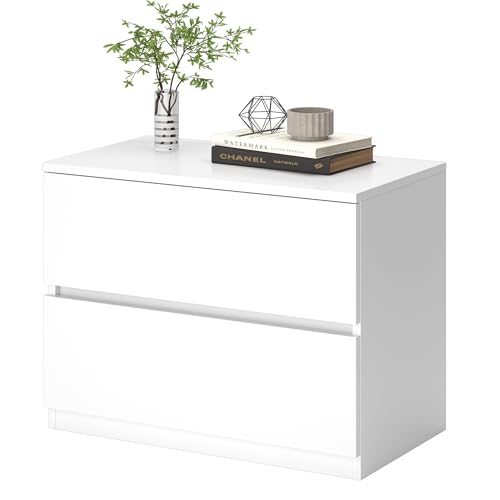
Low Dresser for End of Bed: The Complete Buying Guide
Turn the empty space at the foot of your bed into a functional, beautiful storage zone. Learn how to choose a low dresser that fits your room, your routine, and your style — without overwhelming the space.
Explore the Buying CriteriaWhy a low dresser works at the end of the bed: The foot-of-bed position is one of the most underused zones in a bedroom. A low dresser fills that gap with useful drawer space while keeping the room visually open. Because the piece sits below mattress height, it preserves sightlines to windows, artwork, and the rest of the room — a key advantage over tall chests that can make the foot of the bed feel closed in.
What Counts as a Low Dresser?
A low dresser for the end of the bed is defined less by a strict number and more by how it relates to the bed itself. In practical terms, these pieces usually stand between 24 and 32 inches tall, with a wide horizontal footprint rather than a tall vertical stack. The goal is a piece that reads as a gentle horizontal accent at the foot of the mattress, not as a second headboard.
This category overlaps with several related furniture types. A low dresser in general may be used anywhere in the home, while a low chest of drawers for the bedroom leans toward bedroom-specific storage. If you are working with a long wall or a wide room, a long low dresser can span the foot of a queen or king bed and create a strong visual anchor. For rooms where the foot of the bed sits near a wall or window, a low profile dresser for the bedroom keeps the transition clean and uncluttered.
Key Buying Criteria for an End-of-Bed Dresser
Shopping for this specific position is different from shopping for a dresser against a wall. The piece has to work in the round, survive foot traffic on multiple sides, and stay visually calm. Use the criteria below as a checklist before you commit to a model.
| Criterion | What to Look For | Why It Matters at the Foot of the Bed |
|---|---|---|
| Height | 24–32 inches overall; ideally below mattress top | Keeps sightlines open and avoids a walled-in feeling |
| Width | Narrower than the bed frame, or matched to it | Prevents tripping hazards and keeps walkways clear |
| Depth | 15–18 inches for walkways; 18–20 inches for seating | Balances storage capacity against floor space |
| Drawer layout | Wide, shallow drawers in a horizontal arrangement | Keeps the profile low and the top surface usable |
| Top surface | Flat, sturdy, and finished on all visible sides | Works as a staging or seating surface from multiple angles |
| Material | Solid wood, quality veneer, or laminate with sealed edges | Withstands traffic on all four sides and daily use |
Height and Proportion
Height is the single most important variable. A dresser that rises above the mattress line will visually compete with the bed and can make the room feel cramped, especially in smaller bedrooms. A piece that stays comfortably below the mattress top — often around 24 to 28 inches for a standard bed setup — keeps the horizontal flow of the room intact.
Width and Clearance
Width should be guided by the bed size and the available walking space. A common approach is to choose a dresser that is slightly narrower than the bed frame so the corners of the piece do not become obstacles. Leave at least 24 inches of clearance between the foot of the bed and the dresser for comfortable movement. If the drawers open toward the bed, factor in the extended drawer depth as well.
Clearance rule of thumb
Measure the walking path first, then the drawer extension, then the dresser depth. If the total does not leave a comfortable path on at least one side, consider a shallower model or reposition the piece slightly off-center.
Drawer Configuration
Wide, shallow drawers are the natural match for a low profile. A horizontal layout — for example, two rows of three wide drawers — gives you usable storage for folded clothing, linens, and accessories without pushing the overall height upward. Deep drawers have their place, but a stack of them will quickly turn a low dresser into a tall one. If you need extra capacity in a low format, look at models described as a large capacity dresser with a wide rather than tall arrangement.
Placement and Room Layout
The end-of-bed position is flexible, but it is not free of constraints. Before you buy, sketch the room and mark the walking paths, the window positions, and the swing of any doors. A low dresser at the foot of the bed works best when it has breathing room on both sides and does not block a primary traffic route.
- Centered under a window: a low profile keeps the windowsill visible and the light unobstructed.
- Offset to one side: useful in rooms where a door swing or closet access takes priority on one side.
- Paired with a bench or stool: a shallow dresser can act as a base for a seating layer at the foot of the bed.
- Against a half-wall or room divider: a low dresser can define the sleeping zone without closing it off.
If the foot of the bed sits close to a closet or dressing area, a low dresser for closet placement may be more practical, and the same piece can often serve both roles depending on the room. For rooms where the dresser needs to sit against a wall rather than float, a low chest of drawers is a dependable alternative that still keeps the height in check.
Materials and Build Quality
An end-of-bed dresser is exposed on all sides, so finish quality matters more than it would for a piece tucked against a wall. Look for sealed edges, consistent veneer matching, and hardware that feels solid rather than loose. Solid wood and high-grade veneer are the most durable choices for a piece that will see daily contact from multiple directions.
If you prefer a painted or lacquered look, a lacquer dresser offers a smooth, easy-to-clean surface that suits modern and transitional bedrooms. For a warmer, more textured finish, a light wood dresser keeps the room feeling airy and pairs well with neutral bedding. A laminate dresser can be a practical choice for a starter-tier or essential-tier setup, provided the edges are well sealed and the drawer runners are smooth.
Quality Tiers: What to Expect at Each Level
Rather than thinking in terms of numbers, compare models by tier. The descriptors below are relative positions in the market, not absolute measures — a well-specified mid-range piece can outperform a poorly made premium one.
Starter Tier
Basic drawer runners, engineered wood or laminate construction, and a simpler finish. Suitable for guest rooms, rentals, or short-term setups where the piece is not the focal point.
Balanced Tier
Smoother metal runners, better veneer or solid wood in key areas, and more consistent finishing. A solid choice for a primary bedroom where the dresser will be used daily.
High-End Tier
Solid wood construction, soft-close or undermount runners, reinforced tops, and detailed finishing on all visible sides. Built for long-term use as a permanent bedroom anchor.
Within each tier, check the drawer action, the stability of the frame, and whether the back and sides are finished to the same standard as the front. For a freestanding piece at the foot of the bed, those details are visible every day.
Styling and Function: Making the Piece Work
A low dresser at the end of the bed can do more than store clothing. Its flat top is a natural staging surface for a tray, a lamp, or a folded throw. In rooms with limited space, it can double as a bench or a place to set down a bag at the end of the day. Keep the top surface relatively clear so the piece continues to read as a low horizontal accent rather than a cluttered surface.
For a cohesive look, match the dresser's wood tone or finish to the bed frame and nightstands, or use it as a deliberate contrast piece. A light oak dresser works well in a natural, Scandinavian-inspired room, while a darker finish can anchor a more traditional scheme. If you are building a matching set, a light wood dresser and nightstand set is a straightforward way to keep the room consistent without over-matching.
Safety and Durability Checks
Because an end-of-bed dresser sits in an open traffic area, it should be stable on all four corners and resist tipping when drawers are opened. Check that the piece includes an anti-tip strap or anchoring option, especially in homes with children or pets. Drawer stops are another useful feature — they prevent drawers from pulling all the way out and shifting the center of gravity.
Look for reinforced drawer bottoms if you plan to store heavier items such as denim, linens, or books. On lower-tier models, the drawer bottom is often the first component to flex; on better-built pieces, it is supported by a center rail or a thicker panel.
A Step-by-Step Approach to Choosing
- Measure the footprint. Record the distance from the foot of the bed to the nearest wall, door, or closet. Subtract the walking clearance you need to find the maximum dresser width.
- Confirm the height target. Compare the mattress top to your preferred dresser height. Aim for a piece that sits below the mattress line for an open, low-profile look.
- Choose a drawer layout. Favor wide, shallow drawers in a horizontal arrangement. Count how many drawers you need for your folding and storage habits.
- Pick a tier. Match the quality tier to how the room is used. A guest room may suit an entry-level piece; a primary bedroom benefits from mid-range or premium construction.
- Check the finish on all sides. Because the piece is freestanding, the back and sides will be visible. Confirm they are finished to a consistent standard.
- Plan the top surface. Decide whether the top will hold a tray, a lamp, or seating. That choice affects the depth and sturdiness you need.
Quick sanity check before checkout
Open and close every drawer in the showroom or review the drawer action in product details. A low dresser that wobbles or has sticky runners will be a daily frustration in a high-traffic position.
Related Bedroom Storage Ideas
The end of the bed is one piece of a larger storage plan. If you are reworking the bedroom, these related guides can help you fill in the rest of the layout:
Frequently Asked Questions
What height should a low dresser at the end of the bed be?
A low dresser for the end of the bed typically measures between 24 and 32 inches tall. This keeps sightlines open across the bedroom and prevents the piece from feeling like a wall at the foot of the mattress. It should sit comfortably below the top of the mattress for visual balance.
How much clearance do I need between the bed and a low dresser?
Leave at least 24 inches of walking clearance between the foot of the bed and the dresser. If drawers open toward the bed, add extra space equal to the drawer's fully extended depth, usually 15 to 18 inches, so you can access contents without obstruction.
Can a low dresser double as a bedroom bench?
Yes. Many low dressers for the end of the bed have a flat, sturdy top that works as a seating or staging surface. Choose a mid-range or premium model with a reinforced top and a depth of at least 16 inches if you plan to sit on it or place heavy items there regularly.
What drawer configuration works best for an end-of-bed dresser?
Wide, shallow drawers in a horizontal layout work best for an end-of-bed dresser. A 6-drawer configuration in two rows of three offers a good balance for folded clothing, linens, and accessories. Avoid tall stacks of narrow drawers, which raise the overall height and reduce the low-profile effect.
Should the dresser be centered at the foot of the bed?
Centering is the most common approach, but it is not mandatory. In rooms where a door, closet, or window creates an uneven traffic flow, an offset placement can work better. The key is to keep both sides of the dresser accessible and avoid blocking the primary walking path.
Ready to Choose Your End-of-Bed Dresser?
Use the buying criteria above to narrow your options, then explore recommended models that match the low-profile format and horizontal layout described in this guide.
View Recommended Dressers