Low Profile Dresser for Closet: The Complete Storage Guide
Turn awkward closet corners and unused floor space into tidy, reachable storage. This guide explains how a low profile dresser for your closet can organize folded clothing, keep small items hidden, and preserve your hanging space — without overwhelming a compact wardrobe.
Explore Buying CriteriaWhy a low dresser belongs in your closet: A closet is often the most efficient storage zone in a bedroom, yet it is frequently underused at floor level. A low profile dresser fills that gap. Because it stays below the hanging rod line, it adds real drawer capacity while leaving the upper closet for garments and shelves. For anyone researching storage before buying, understanding height, depth, and drawer layout is the fastest path to a closet that stays organized.
What Counts as a Low Profile Dresser for a Closet?
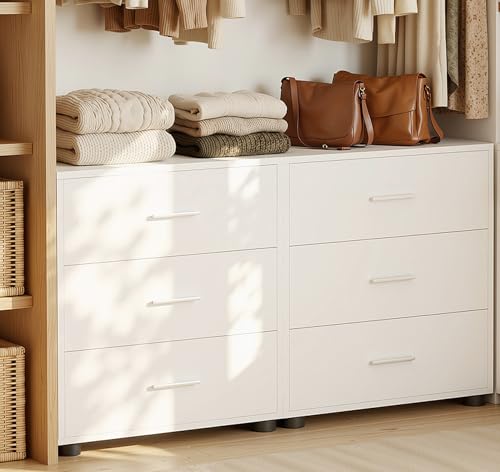
A low profile dresser is a storage unit that sits close to the floor and keeps its top surface low relative to standard bedroom dressers. In a closet, the practical definition comes down to three numbers: height, depth, and drawer clearance. Most closet-friendly low units stand between 24 and 36 inches tall, which keeps them beneath a typical hanging rod and below the first shelf line. Depth matters just as much — a shallow body of roughly 15 to 18 inches lets you open drawers fully without blocking the walkway.
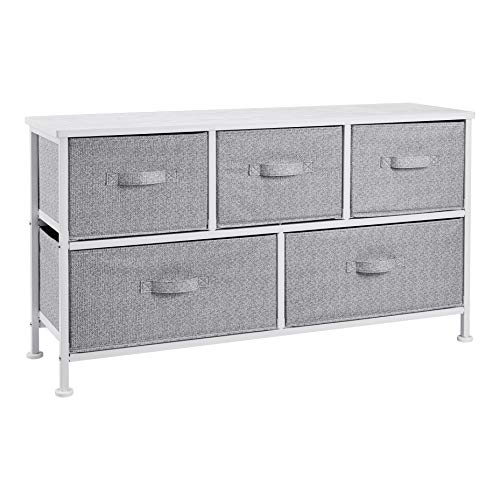
This category overlaps with several related pieces. A low dresser for closet use is the broad term, while a low chest of drawers for a closet usually refers to a narrower, taller-stacked version with more vertical drawer tiers. If you want the widest possible surface for folding and sorting, a long low dresser spreads storage horizontally instead of upward. All three approaches solve the same problem: adding drawer storage without eating into hanging space.
Height
24–36 inches is the sweet spot. It clears most hanging rods and keeps the top usable as a folding surface inside the closet.
Depth
15–18 inches is ideal. Shallow drawers open fully in a narrow closet and leave room to stand and sort clothing.
Width
30–60 inches covers most closets. Measure the wall run first and leave a few inches of clearance on each side.
Drawer Count
3–6 drawers is typical. Fewer, deeper drawers suit bulky items; more, shallower drawers suit folded tops and accessories.
Why Choose a Low Dresser for Closet Storage?
Closets are usually designed around hanging garments, which leaves a large dead zone near the floor. A low dresser reclaims that zone. Because the unit stays under the rod, you keep full-length hanging for dresses and coats while gaining enclosed drawers for items that would otherwise crowd shelves or sit in loose baskets. Enclosed storage also protects folded clothing from dust, and it hides clutter that open shelving tends to expose.
There is a practical ergonomic argument too. A low unit is easy to reach, and its top surface becomes a natural folding station right where you sort laundry. For walk-in closets, a large walk-in closet dresser can anchor an entire wall, while smaller reach-in closets benefit from a compact low unit that leaves the doorway clear. If the closet doubles as a dressing area, pairing the dresser with a low dresser at the end of the bed outside the closet can split storage between two zones.
- Preserves hanging space: the unit stays below the rod line, so long garments still hang freely.
- Adds hidden storage: drawers keep folded clothing, accessories, and small items out of sight.
- Improves workflow: a low top surface works as a folding and sorting station inside the closet.
- Fits narrow footprints: shallow depth keeps walkways clear and drawers fully operable.
- Scales with the closet: long, narrow, and compact versions exist for almost any wall run.
How to Choose a Low Profile Dresser for Your Closet
Start with measurements, not style. Measure the available wall run, the height of your hanging rod, the depth from back wall to doorway, and the swing clearance of the closet door. A dresser that fits the wall but blocks the door is a daily frustration. Once the numbers are set, evaluate drawer mechanics, material, and finish. Drawer glides are the most important durability factor: entry-level units often use basic side-mounted slides, while mid-range and premium tiers move to smooth ball-bearing or undermount slides that stay quiet over years of use.
Material choice affects both longevity and weight. Solid wood and high-grade plywood hold screws and resist sagging better than thin particleboard, which matters in a humid closet. A laminate or lacquer finish is easy to wipe clean and resists scuffs from shoes and baskets. If the closet is visible from the bedroom, finish and hardware matter as much as function — a lacquer dresser reads polished and modern, while a laminate dresser is a practical, low-maintenance choice for a hardworking closet.
| Tier | Best For | Typical Construction |
|---|---|---|
| Entry-level | Guest closets, seasonal rotation, light daily use | Engineered wood panels, basic side-mounted slides, simple hardware |
| Mid-range | Primary bedroom closets, daily folded-clothing storage | Reinforced panels or wood veneer, ball-bearing slides, soft-close options |
| Premium | Walk-in closets, visible dressing areas, long-term use | Solid wood or high-grade plywood, undermount soft-close slides, solid hardware |
| Luxury | Custom walk-in wardrobes and high-end dressing rooms | Hardwood carcass, dovetail joinery, premium finishes and designer hardware |
Layout and Organization Ideas for a Closet Dresser
Placement decides whether a closet dresser feels helpful or cramped. The most reliable layout is a side wall or the back wall beneath a shortened hanging section. If your closet has a long uninterrupted wall, a narrow unit keeps the walkway open; a narrow dresser can slot into a tight run where a standard-width unit would not fit. For closets with an L-shaped footprint, an L-shaped dresser can follow the corner and use space that hanging garments cannot.
Inside the drawers, divide by frequency rather than category. Items used daily belong in the top drawers at easy reach; seasonal and occasional items go lower. Shallow top drawers suit accessories, socks, and folded tops, while deeper lower drawers handle jeans, knitwear, and bulky items. Drawer dividers and small trays keep the interior from turning into a loose pile, and a consistent folding method makes the whole system faster to maintain.
- Top drawers: accessories, socks, underwear, and small folded items.
- Middle drawers: folded tops, shirts, and knitwear.
- Lower drawers: jeans, bulky sweaters, and off-season clothing.
- Top surface: a folding station, a small tray for jewelry, or a basket for donations.
Materials, Finishes, and Hardware
In a closet, the dresser is exposed to dust, humidity swings, and frequent contact with baskets and shoes. A durable finish and sturdy drawer boxes matter more here than in a low-traffic bedroom corner. Solid wood and high-grade plywood resist warping and hold hardware firmly; thin engineered panels can sag under heavy drawers over time. Look for reinforced drawer bottoms and corner blocks if you plan to store dense items like denim.
Hardware is a small detail with a large effect. Smooth glides reduce noise and strain, and soft-close mechanisms prevent drawers from slamming in a confined space. Style-wise, a light wood dresser keeps a small closet feeling open, while a white dresser blends into pale walls and brightens a dim interior. If the closet is visible from the bedroom, match the finish to the room's palette so the unit reads as intentional furniture rather than an afterthought.
Common Mistakes to Avoid
- Buying before measuring the rod height: a unit that is even slightly too tall can block hanging space entirely.
- Ignoring drawer swing: deep drawers in a narrow closet may not open fully, making the back of each drawer unusable.
- Choosing too many shallow drawers: bulky clothing needs at least one or two deeper drawers.
- Skipping wall anchoring: dressers should be secured to the wall, especially in homes with children or pets.
- Overfilling the top surface: a cluttered top defeats the folding-station benefit and hides the unit's clean lines.
Related Storage and Dresser Guides
If your closet project is part of a larger bedroom refresh, these related guides can help you plan the full layout. Compare a low profile dresser for the bedroom with a closet unit to decide where each belongs, or review a low chest of drawers if you prefer a taller stack of smaller drawers. For closets that need more than one piece, a large walk-in closet dresser can anchor a wall while a compact unit handles daily items. If you are also reorganizing the kitchen, the same drawer-organization principles apply to kitchen cabinet doors and drawers.
Frequently Asked Questions
What height counts as a low profile dresser for a closet?
A low profile dresser for a closet typically stands between 24 and 36 inches tall. This range keeps the top surface below most hanging rods and shelf lines, so you can still use the closet's vertical space above the unit.
How deep should a closet dresser be?
Most closets work best with a dresser that is 15 to 18 inches deep. Standard bedroom dressers are often 18 to 20 inches deep, so a shallow profile leaves walking room and keeps drawers fully operable inside the closet.
Can a low profile dresser fit under a hanging rod?
Yes. A low dresser that stands under about 36 inches tall usually fits beneath a standard hanging rod, especially when the rod is mounted at the higher end of its typical range. Always measure the rod height and the dresser height before you commit.
Is a low chest of drawers better than shelving for a closet?
It depends on what you store. A low chest of drawers for a closet excels at keeping folded clothing, accessories, and small items dust-free and hidden. Shelving is better for shoes and baskets, so many walk-in closets combine both.
Should a closet dresser be anchored to the wall?
Yes. Dressers should be secured to the wall with an anti-tip strap or bracket, particularly in homes with children or pets. In a closet, anchoring also prevents the unit from shifting when drawers are pulled open repeatedly.