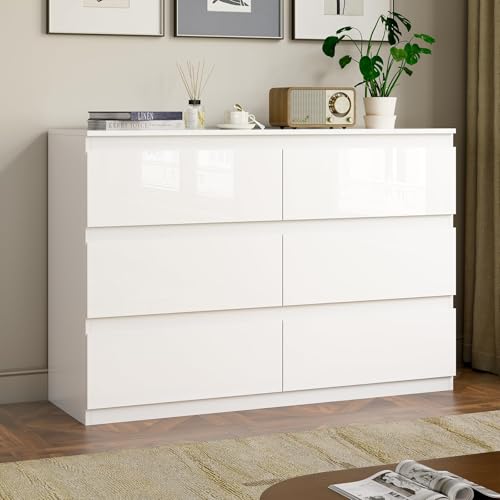
Lacquer Dresser: A Complete Guide to Glossy Bedroom Storage
Discover the elegance, durability, and modern appeal of lacquer dressers. Learn about finishes, styles, care tips, and how to choose the perfect glossy dresser for your bedroom.
Start ExploringWhy Lacquer Dressers Stand Out: A lacquer dresser brings a refined, polished aesthetic to any bedroom. Its high-gloss surface reflects light beautifully, making spaces feel larger and more luxurious. Beyond appearance, quality lacquer finishes offer impressive durability and easy maintenance when properly cared for. This guide covers everything you need to know before choosing a lacquer dresser for your home.
What Is a Lacquer Dresser?
A lacquer dresser is a piece of bedroom furniture finished with a lacquer coating — a hard, glossy surface created by applying multiple thin layers of resin or nitrocellulose-based finish. The result is a smooth, mirror-like sheen that enhances the wood or engineered substrate beneath. Unlike standard painted finishes, lacquer is typically sprayed on and polished to achieve its signature depth and luster.
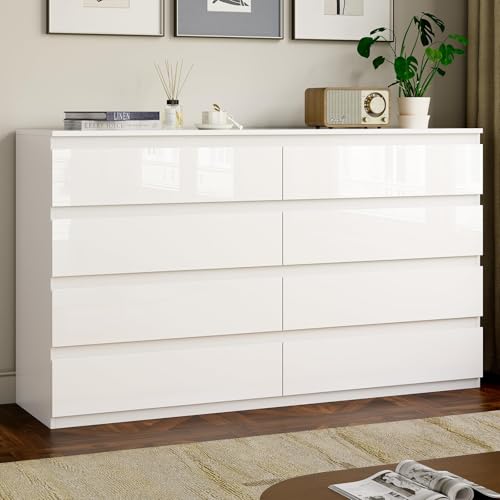
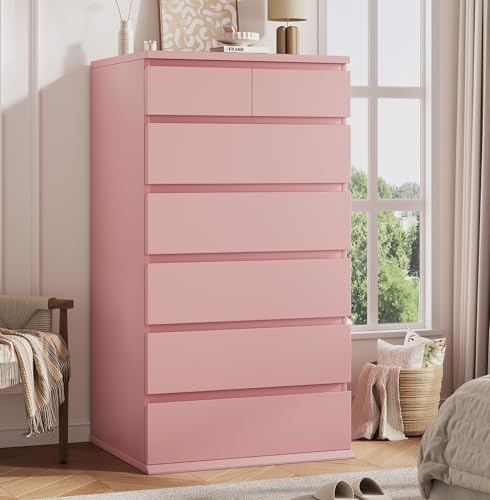
Lacquer finishes originated in Asia and have been used in fine furniture for centuries. Today, modern lacquer dressers range from large dresser statement pieces to compact light-colored dresser designs for smaller rooms. Whether you prefer a long dresser with clean lines or a tall dresser with dramatic presence, lacquer elevates the visual impact of any silhouette.
It is worth distinguishing lacquer from similar finishes. A laminate dresser uses a synthetic sheet bonded to the surface, while lacquer is a liquid coating that cures into a hard film. True lacquer offers superior depth and a more refined feel, though high-quality laminate can mimic the look at an entry-level tier.
Key Benefits of Lacquer Dressers
High-Gloss Elegance
The reflective surface creates a sophisticated, polished look that instantly upgrades bedroom decor. Glossy finishes pair beautifully with modern and transitional interiors.
Durable Surface
Quality lacquer resists scratches, moisture, and daily wear better than standard paint. A well-applied lacquer finish can last for decades with proper care.
Easy to Clean
The non-porous surface wipes clean with a soft, damp cloth. No special cleaners required — making lacquer dressers practical for busy households.
Color Versatility
Lacquer can be tinted to virtually any shade. From light gray dresser neutrals to bold large black dresser statements, the options are extensive.
Light Reflection
Glossy surfaces bounce light around the room, making compact bedrooms feel more open and airy — ideal for apartments and small spaces.
Modern Aesthetic
Lacquer finishes align perfectly with contemporary design trends. Clean, sleek, and refined — the hallmark of a well-curated modern bedroom.
Types of Lacquer Dressers by Finish & Style
High-Gloss Lacquer Dresser
The most reflective option, offering a mirror-like finish. Best for modern and minimalist bedrooms. These pieces make a striking visual statement and are typically found in the mid-range to premium tiers.
Satin Lacquer Dresser
A softer sheen with subtle luster. Satin lacquer hides fingerprints better than high-gloss and suits transitional interiors. An excellent balanced-tier choice for everyday use.
Matte Lacquer Dresser
Low-sheen with a velvety texture. Matte lacquer is trending in contemporary design and pairs well with natural wood accents. Often seen in mid-tier to high-end collections.
Metallic Lacquer Dresser
Infused with metallic pigments for a subtle shimmer. Gold, silver, and champagne finishes add glamour. Typically positioned in the premium to luxury tier.
Two-Tone Lacquer Dresser
Combines contrasting lacquer colors on the body and drawer fronts. A creative way to add visual interest. Frequently found in large mid-century modern dresser designs.
Textured Lacquer Dresser
Adds tactile dimension through techniques like crackle or ribbed finishes. A sophisticated choice in the high-end tier for design-forward bedrooms.
Lacquer Dresser vs Other Finish Types
Understanding how lacquer compares to alternative finishes helps you make an informed decision. The table below outlines key differences across several criteria.
| Finish Type | Gloss Level | Durability | Maintenance | Best For |
|---|---|---|---|---|
| High-Gloss Lacquer | Very High | Excellent | Low — dust with soft cloth | Modern bedrooms, statement pieces |
| Satin Lacquer | Medium | Excellent | Low — damp wipe | Transitional interiors, family homes |
| Matte Lacquer | Low | Very Good | Low — dust regularly | Contemporary design, textured pairings |
| Laminate | Variable | Good | Low | Entry-level tier, rental spaces |
| Painted Wood | Low to Medium | Moderate | Moderate — touch-ups may be needed | Traditional and farmhouse styles |
| Natural Wood | Low | Good | Moderate — oiling or sealing | Rustic and organic interiors |
How to Choose the Right Lacquer Dresser
Selecting a lacquer dresser involves balancing aesthetics with practical considerations. Here are the key factors to evaluate before making a decision.
- Consider Your Room Size: A long dresser for bedroom works well in spacious rooms, while a low-profile dresser for bedroom suits compact spaces. Lacquer's reflective quality can make small rooms feel larger, so even a smaller piece delivers visual impact.
- Choose the Right Gloss Level: High-gloss lacquer maximizes light reflection and drama, but satin or matte lacquer is more forgiving for everyday use and hides smudges better.
- Assess Drawer Quality: The drawers matter as much as the finish. Look for large heavy-duty drawer slides for smooth operation. A quality lacquer dresser should have dovetail joints, solid bottoms, and smooth-gliding mechanisms.
- Match Your Interior Style: High-gloss lacquer pairs with modern and art deco interiors, while satin lacquer suits transitional spaces. For a softer look, consider a light oak dresser with a lacquer top coat.
- Verify Construction Materials: Premium lacquer dressers use solid wood or high-grade engineered wood as the substrate. Ask about the core material — it affects both durability and how the lacquer adheres over time.
- Check Hardware Compatibility: Lacquer finishes work best with sleek hardware. Consider dresser knobs or drawer pulls that complement the glossy surface without competing for attention.
- Think About Placement: Lacquer dressers can be used beyond the bedroom. A living room dresser in high-gloss lacquer makes an elegant console, while a kitchen dresser benefits from the easy-clean surface.
Lacquer Dresser Care & Maintenance Tips
Proper care preserves the beauty and longevity of your lacquer dresser. Follow these guidelines to keep the finish looking pristine for years.
- Dust Regularly: Use a soft, lint-free cloth to remove dust. Avoid abrasive materials that could scratch the surface.
- Clean with a Damp Cloth: For light cleaning, wipe with a slightly damp microfiber cloth. Dry immediately with a soft towel to prevent water spots.
- Avoid Harsh Chemicals: Never use ammonia-based cleaners, acetone, or abrasive polishes. These can dull or damage the lacquer film.
- Protect from Heat and Sunlight: Place your dresser away from direct sunlight and heat sources. Prolonged exposure can cause fading or cracking.
- Use Felt Pads: Place felt pads under decorative items to prevent scratches. Avoid dragging objects across the glossy surface.
- Handle with Care: When moving your lacquer dresser, lift rather than drag. Use furniture sliders for repositioning on hard floors.
- Address Spills Quickly: Wipe up spills immediately with a dry cloth. Lacquer is water-resistant but not waterproof — prolonged moisture exposure can cause damage.
- Store Smartly: If placing your lacquer dresser in a low dresser for closet setup or a large walk-in closet dresser arrangement, ensure the space is well-ventilated to prevent humidity buildup.
Styling Your Lacquer Dresser
A lacquer dresser is a design focal point in its own right. Here are some styling ideas to make the most of its glossy finish:
- Keep It Minimal: Let the lacquer finish shine by limiting accessories. A single sculptural vase or a pair of candle holders is often enough.
- Add a Mirror: Pair your dresser with a large bedroom dresser with mirror to amplify light reflection and create visual depth. The combination of two reflective surfaces is stunning.
- Mix Textures: Contrast the smooth lacquer with textured elements — a linen runner, a woven basket, or a ceramic lamp — to add warmth and balance.
- Consider a Nightstand Set: Complete the look with a matching light gray dresser and nightstand set for a cohesive bedroom design.
- Use Lighting: A small accent lamp on top of your lacquer dresser creates a warm glow that highlights the finish. Explore dresser lighting ideas for inspiration.
- Add a Statement Piece: A bold art print or a metallic sculpture placed on top of your lacquer dresser becomes a gallery-like focal point.
For more decor inspiration, see our bedroom dresser ideas collection. If you are considering other finishes, our laminate dresser guide and leather dresser overview provide helpful comparisons.
Frequently Asked Questions About Lacquer Dressers
Lacquer is a hard, resin-based coating that cures to a glossy or satin finish with superior depth and durability compared to standard paint. Paint sits on the surface, while lacquer chemically bonds to create a smooth, furniture-grade film. Lacquer typically requires professional spraying for best results, whereas paint can be applied with a brush or roller.
Yes. Quality lacquer finishes are highly durable, resisting scratches, moisture, and wear. Mid-range to premium lacquer dressers often outperform standard painted or natural wood finishes in terms of surface resilience. Proper care — dusting, using felt pads, and avoiding harsh chemicals — ensures the finish remains beautiful for many years.
Minor scratches can sometimes be buffed out with a specialized lacquer polish. Deeper scratches may require professional refinishing, as lacquer is typically sprayed in multiple coats. For small touch-ups, lacquer repair pens are available in common colors. Consult a furniture restoration professional for significant damage.
High-gloss lacquer can show fingerprints more readily than satin or matte finishes. However, they are easily wiped away with a soft, damp cloth. If fingerprint visibility is a concern, consider a satin lacquer dresser, which offers a subtle sheen without the high-maintenance gloss.
Modern water-based lacquers are generally low in volatile organic compounds (VOCs) and considered safe for residential use once fully cured. Always verify that the dresser meets current safety standards and is certified low-VOC if intended for a nursery. For specific recommendations, see our nursery dressers guide.
Lacquer offers good moisture resistance, making it suitable for bathrooms with proper ventilation. However, prolonged exposure to high humidity can eventually affect the finish. If placing a lacquer dresser in a bathroom, ensure the room is well-ventilated and wipe up any water spills immediately. A bathroom chest in lacquer finish can work well with these precautions.
Ready to bring home a lacquer dresser? Explore our curated selection of recommended dressers and storage pieces below. Each product is selected to help you find the right blend of style, durability, and functionality for your bedroom.