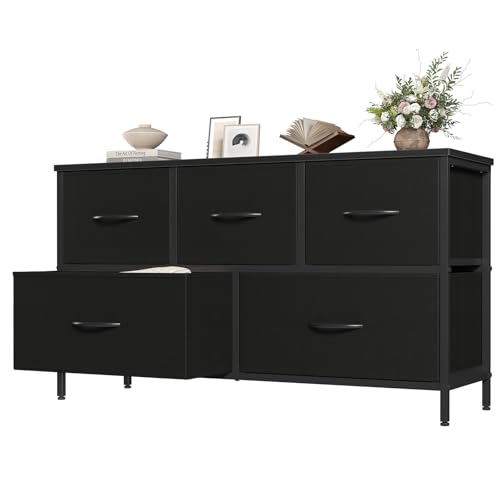
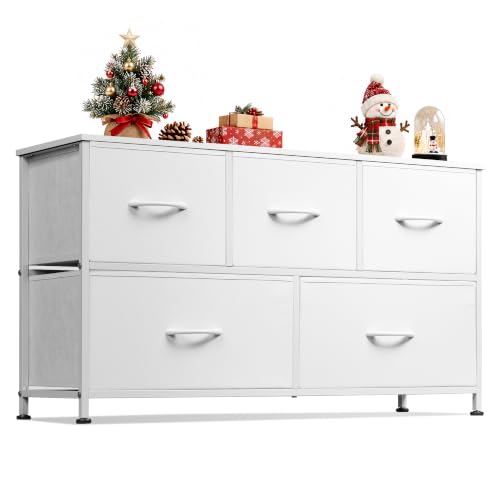
Low Chest of Drawers for Bedroom: The Complete Buying Guide
Everything you need to know about choosing a low-profile chest of drawers that maximizes storage, keeps your bedroom open, and fits your space perfectly.
EXPLORE RECOMMENDED OPTIONSWhy a low chest of drawers? A low chest of drawers for the bedroom offers a smart balance between generous storage and an open, airy feel. Because it sits closer to the floor, it keeps sightlines clear, works beautifully under windows or at the foot of the bed, and often doubles as a surface for decor, a lamp, or a TV. This guide covers sizing, styles, materials, drawer layouts, and safety so you can choose with confidence.
What Is a Low Chest of Drawers?
A low chest of drawers is a horizontal storage piece that sits closer to the floor than a traditional dresser or tallboy. While definitions vary by maker, most low chests stand roughly 30 inches or less in height and emphasize width over verticality. Instead of stacking many rows of drawers, they typically offer four to eight drawers arranged in fewer, wider rows.
This low profile makes them especially useful in bedrooms where wall space is limited, where windows interrupt tall furniture, or where you want to preserve an open visual flow. They are also a natural fit for the foot of the bed and for rooms with sloped ceilings or low soffits. If you are still deciding between the main furniture categories, our overview of dresser types and chest of drawers can help you compare the broader options before narrowing down to a low model.
Who Should Consider a Low Chest of Drawers?
Low chests are not just for small rooms. They suit a wide range of bedrooms and storage needs:
- Small or narrow bedrooms: A low, wide unit fits beneath windows and along walls where a tall dresser would block light or feel cramped. See our guide to low-profile dressers for bedrooms for layout ideas.
- Rooms with sloped ceilings or low soffits: Low furniture avoids awkward gaps and keeps the space usable.
- Foot-of-bed placement: A low chest is a classic choice for the end of the bed because it does not obstruct the view across the room. Learn more about low dressers for the end of the bed.
- Multi-use bedrooms: The flat top can hold a lamp, decor, or even a television, making it a flexible anchor for the room.
- Closets and dressing areas: Low units work well inside walk-in closets or as secondary storage. Our low chest of drawers for closet guide covers this use case.
- Kids and guest rooms: Lower drawers are easier to reach, and the wider footprint is generally more stable.
How to Choose the Right Size
Getting the dimensions right is the single most important step. Measure the wall or floor area you have in mind, then account for clearance to open drawers and walk around the unit. As a rule of thumb, leave at least 24 inches of open floor in front of the chest for comfortable drawer access.
Typical Height Ranges
- Very low (under 24 inches): Best for the foot of the bed, under windows, or as a bench-height surface. Often paired with fewer, deeper drawers.
- Low (24–30 inches): The most common category. Balances capacity with an open feel and works in most bedrooms.
- Low-to-mid (30–36 inches): A transitional height that still reads as low but offers a bit more vertical storage.
Width and Depth Considerations
Width is where low chests shine: many models range from 48 to 72 inches wide, giving you plenty of drawer space without height. Depth usually falls between 16 and 20 inches; deeper drawers hold bulkier items such as bedding and sweaters, while shallower drawers keep folded clothes visible and organized. If your priority is fitting a tight wall, compare this with a long narrow dresser, which trades depth for length.
Understanding Drawer Layouts
The drawer configuration determines how usable the chest will be day to day. Low chests for bedrooms generally fall into a few patterns:
- Wide, deep drawers: Great for bulky items like jeans, sweaters, and linens. Fewer drawers mean less hardware and a cleaner look.
- Mixed layouts: A combination of shallow top drawers for accessories and deeper lower drawers for clothing. This is often the most practical setup.
- Many shallow drawers: Ideal for folded shirts, undergarments, and accessories, especially if you like to see everything at a glance.
Drawer glides matter as much as the layout. Entry-level models often use basic side-mounted slides, while mid-range and premium chests frequently feature smoother ball-bearing or soft-close mechanisms. If you plan to store heavy items, look for reinforced drawer boxes and metal-to-metal glides. Our guide to heavy-duty drawer slides explains what to check.
Popular Styles for Bedrooms
Modern and Minimalist
Clean lines, handleless fronts, and matte finishes. Pairs well with contemporary bedrooms and keeps the room feeling uncluttered.
Mid-Century Modern
Tapered legs, warm wood tones, and subtle hardware. A low, wide silhouette is a signature of this style and suits most bedroom layouts.
Farmhouse and Rustic
Planked surfaces, distressed finishes, and cup pulls. Low chests in this style often work well at the foot of a bed or under a window.
Scandinavian
Light woods, simple forms, and functional details. Low chests in this style maximize light and pair naturally with neutral palettes.
Traditional
Molded edges, classic hardware, and richer wood tones. A low profile keeps traditional pieces from feeling heavy in smaller rooms.
Industrial
Metal frames, wood tops, and exposed hardware. Durable and characterful, often with a lower, bench-like stance.
If you want to explore finish options in more depth, our guides to light wood chest of drawers and light-colored chest of drawers cover how tone affects the feel of a bedroom.
Materials and Construction Quality
Material choice affects durability, weight, and how the piece ages. Most low chests fall into three broad categories:
- Solid wood (entry-level to luxury): Durable and repairable, with natural grain variation. Oak, maple, walnut, and pine are common. Solid wood often represents a long-term investment.
- Engineered wood (entry-level to mid-range): Particleboard or MDF with veneers or laminate. Consistent and often well-specified for the category, but less repairable if damaged.
- Mixed construction (mid-range to premium): Solid wood frames with engineered panels, or wood veneers over plywood. A balanced option that often offers good value for its tier.
Check the drawer boxes, back panels, and joinery as much as the exterior finish. Dovetail or doweled joints, corner blocks, and a finished back panel are signs of a more carefully built piece. For a deeper comparison, see our guide to solid wood versus engineered options in the broader materials and finishes section.
Where to Place a Low Chest in the Bedroom
Placement is where a low chest earns its keep. Consider these common arrangements:
- At the foot of the bed: Keeps the room open and adds a useful surface. Leave enough room to walk around the bed comfortably.
- Under a window: A low profile preserves natural light and views. Avoid blocking radiators or vents.
- Along a narrow wall: A wide, shallow chest uses otherwise awkward wall space efficiently.
- As a TV stand: The low height puts the screen at a comfortable viewing level from the bed.
- Inside a closet: Secondary storage that keeps the main bedroom visually calm.
For more layout inspiration, browse our bedroom storage ideas and low dresser guides.
Low Chest vs. Other Bedroom Storage
| Storage Type | Typical Height | Best For | Trade-Off |
|---|---|---|---|
| Low chest of drawers | Under 30 inches | Foot of bed, under windows, open sightlines | Less vertical capacity; needs a wide wall |
| Standard dresser | 30–42 inches | General bedroom storage | Can block windows and feel bulky in small rooms |
| Tall chest / tallboy | 45 inches and up | Small footprints with high capacity | Needs wall anchoring; visually heavy |
| Armoire or wardrobe | 60 inches and up | Hanging clothes plus drawers | Large footprint; not ideal in tight rooms |
| Under-bed storage | Very low | Seasonal and bulky items | Less accessible for daily use |
Choosing by Tier: What to Expect
Rather than focusing on numbers, it helps to understand what each tier of the market generally delivers. Use these descriptors to set expectations:
- Entry-level / starter tier: Basic engineered wood, standard side-mounted glides, and simpler finishes. A solid choice for guest rooms, rentals, or first apartments where the piece may not need to last decades.
- Mid-range / balanced tier: Better materials, smoother glides, more consistent finishing, and often soft-close drawers. This tier is frequently the sweet spot for a primary bedroom.
- Premium / high-end tier: Solid wood construction, dovetail joinery, high-grade hardware, and refined finishes. A worthwhile investment for a long-term bedroom.
- Luxury / flagship tier: Hand-finished details, premium hardwoods, and bespoke sizing options. Typically custom or designer pieces.
Across every tier, prioritize stability, smooth drawer action, and a finish that suits your room. A well-specified mid-range chest often outperforms an entry-level piece in daily use.
Safety and Stability Tips
Low chests are generally more stable than tall, narrow dressers, but safety still matters—especially in homes with children. Follow these guidelines:
- Use the anti-tip kit provided with the chest and anchor it to a wall stud.
- Avoid loading the top drawers heavily while leaving lower drawers empty; distribute weight evenly.
- Check that drawer stops prevent drawers from pulling all the way out unexpectedly.
- Keep heavy items in lower drawers and lightweight items above.
- In nurseries, choose a chest with a lower center of gravity and secure it firmly. Our low chest of drawers for bedroom recommendations include stable, wide-footprint designs.
Frequently Asked Questions
What is a low chest of drawers?
A low chest of drawers is a storage piece that sits closer to the floor than a standard dresser, typically with a height of 30 inches or less. It usually features a wide, horizontal profile with drawers stacked in fewer rows, making it ideal for bedrooms with limited wall space or for use at the foot of the bed.
Where can I place a low chest of drawers in a bedroom?
A low chest of drawers works well at the foot of the bed, under a window, along a narrow wall, or as a TV stand. Its low profile keeps sightlines open and makes it easy to reach the top surface, which can double as a display or staging area.
How many drawers should a low chest have?
Most low chests of drawers for bedrooms have between four and eight drawers. Fewer, wider drawers are great for bulky items like sweaters and bedding, while more, narrower drawers suit folded clothing, accessories, and smaller belongings.
Are low chests of drawers safe for children?
Low chests are generally more stable than tall, narrow dressers, but any storage furniture can tip if a child climbs on it. Always look for anti-tip hardware and anchor the unit to the wall, especially in nurseries and family bedrooms.
How do I measure for a low chest of drawers?
Measure the available wall or floor width, then add at least 24 inches of clearance in front for drawer access. Check ceiling height and window sill height if placing it under a window, and confirm that the chest's depth leaves enough walking space around the bed.
Ready to compare real options? Browse our curated selection of low chests of drawers for bedrooms and find the right fit for your space.
VIEW RECOMMENDED OPTIONS