Low Profile Dresser for Bedroom: The Complete Guide
Discover how a low profile dresser can transform your bedroom with smart storage, better sightlines, and a calm, spacious feel. Everything you need to choose the right low dresser for your space.
START EXPLORINGWhy consider a low profile dresser? A low dresser keeps your bedroom visually open while still providing generous storage. It sits below window lines, works beautifully as a TV stand or display surface, and makes rooms feel larger. This guide explains height, storage capacity, materials, safety, and styling so you can buy with confidence.
What Is a Low Profile Dresser?
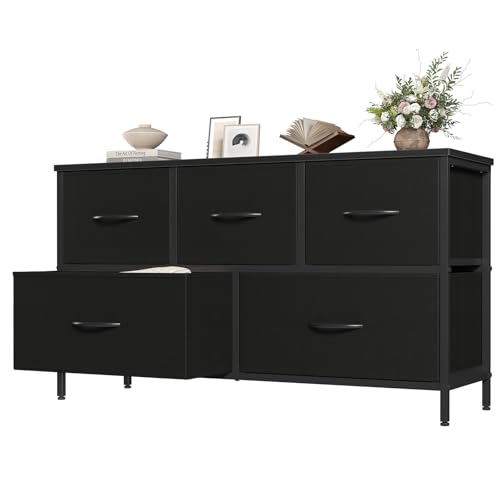
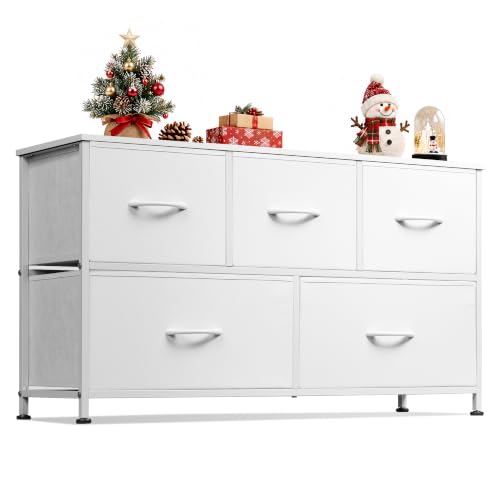
A low profile dresser is a storage piece that typically stands under 36 inches tall, with many models in the 24 to 32 inch range. Instead of stacking drawers vertically like a tall chest, a low dresser spreads storage horizontally across a wider footprint. This design keeps the top surface accessible and preserves wall space above for artwork, mirrors, or windows.
Low dressers go by several names, including low dresser, low chest of drawers, and long low dresser. The key distinction is height: if the top surface sits below eye level when standing, it qualifies as low profile. This makes the piece especially useful in bedrooms where you want an unobstructed view across the room.
Key Characteristics
- Height: Usually 24–36 inches, with many bedroom models around 28–32 inches.
- Width: Often wider than tall dressers, maximizing drawer count in a compact vertical space.
- Drawer layout: Side-by-side drawers rather than deep vertical stacks.
- Top surface: Ideal for decor, a mirror, lighting, or a television.
If you are comparing shapes and drawer arrangements, our guide on low chest of drawers explains how low chests differ from standard dressers and when each layout works best.
Benefits of a Low Profile Dresser in the Bedroom
Choosing a low dresser is about more than aesthetics. The height and footprint directly affect how your bedroom feels and functions. Here are the main advantages:
1. Visually Expands the Room
Low furniture keeps sightlines open, which makes small bedrooms feel larger and more airy. A tall chest can visually crowd a room, while a low profile dresser leaves breathing room above it.
2. Fits Under Windows and Sloped Ceilings
Bedrooms with low windows, dormers, or sloped ceilings often cannot accommodate a tall dresser. A low dresser sits comfortably beneath these architectural features without blocking light or views.
3. Doubles as a Display or Media Surface
The wide, flat top of a low dresser is perfect for a mirror, lamps, plants, or even a television. This dual-purpose function is ideal for guest rooms and primary bedrooms alike.
4. Stable and Safe
A lower center of gravity makes low dressers more stable, which is a meaningful advantage in households with children or pets. Always anchor any dresser to the wall, but a low profile design adds an extra margin of safety.
For rooms where floor space is especially limited, pairing a low dresser with a long low dresser layout can maximize storage along one wall without adding height. If your layout is narrow, a narrow dresser may complement the low profile approach.
How to Choose the Right Low Profile Dresser
Before you shop, work through these factors. Each one influences how well the dresser fits your room and your daily routine.
Measure Your Space First
- Wall width: Leave at least 2–3 inches on each side for easy drawer access.
- Walking clearance: Keep 30–36 inches of clear floor space in front of the dresser.
- Height under windows: Confirm the dresser top stays below the window sill if you place it there.
- Door swings: Check closet and room door clearance before committing to a wide footprint.
Decide on Drawer Count and Layout
Low dressers compensate for reduced height with additional width. Common configurations include:
- 6-drawer low dressers: Two rows of three, balancing capacity and width.
- 8-drawer low dressers: Two rows of four, ideal for couples or shared rooms.
- 3–4 drawer low dressers: Compact options for guest rooms or closets.
Think about what you will store. Deep drawers suit bulky items like sweaters, while shallow drawers work for folded shirts and accessories. If you need extra capacity, explore low dresser for closet arrangements that keep storage tucked away.
Choose Materials and Construction
Construction quality determines how long your dresser lasts and how smoothly it operates. Consider these tiers:
- Entry-level: Engineered wood with basic drawer slides; suitable for light use.
- Mid-range: Solid wood frames with metal ball-bearing slides; a balanced choice for daily use.
- Premium: Solid hardwood, dovetail joinery, and soft-close slides; built for long-term durability.
Our materials and finishes section explains how wood species and finishes affect appearance and upkeep. If you prefer natural wood tones, a light wood dresser can brighten a low profile design.
Check Safety Features
- Look for anti-tip hardware included with the dresser.
- Anchor the unit to a wall stud whenever possible.
- Choose drawer stops to prevent drawers from pulling out fully.
- Avoid overloading the top surface with heavy items.
Low Profile vs. Standard Dresser: Quick Comparison
| Feature | Low Profile Dresser | Standard Tall Dresser |
|---|---|---|
| Typical Height | 24–36 inches | 40–60 inches |
| Best For | Small rooms, under windows, media use | Narrow walls, maximum vertical storage |
| Visual Effect | Opens up the room | Draws the eye upward |
| Top Surface Use | Decor, mirror, TV | Limited display area |
| Stability | Lower center of gravity | Requires wall anchoring |
| Drawer Layout | Wide, side-by-side drawers | Vertical stacks |
For a deeper comparison of storage shapes, see our guide on dresser vs chest of drawers to understand how each format serves different rooms.
Placement Ideas for a Low Profile Dresser
Where you place a low dresser affects both function and flow. These arrangements work well in most bedrooms:
- At the end of the bed: A low dresser for end of bed adds storage and a landing surface without blocking the view.
- Along a long wall: Use a long low dresser to balance a wide room and create a focal point.
- Under a window: Keep the top below the sill to preserve natural light.
- Inside a closet: A low dresser can organize folded clothing in a walk-in closet efficiently.
- As a media console: Pair with a mirror or artwork above for a dual-purpose setup.
If you are refreshing the whole room, our bedroom dresser ideas gallery offers layout and styling inspiration.
Styling a Low Dresser
A low dresser offers a generous canvas for styling. Keep these principles in mind:
- Balance scale: A wide dresser can handle a large mirror or a pair of lamps.
- Layer heights: Mix tall objects, like a mirror, with shorter decor for visual interest.
- Leave breathing room: Avoid covering the entire top surface; negative space keeps the room calm.
- Match the room's style: A modern dresser suits clean lines, while a farmhouse dresser adds warmth.
For more arrangement guidance, see our dresser styling tips.
Ready to Find Your Low Profile Dresser?
Explore our recommended low dressers and storage pieces below, selected to fit bedrooms of every size and style.
VIEW RECOMMENDATIONS