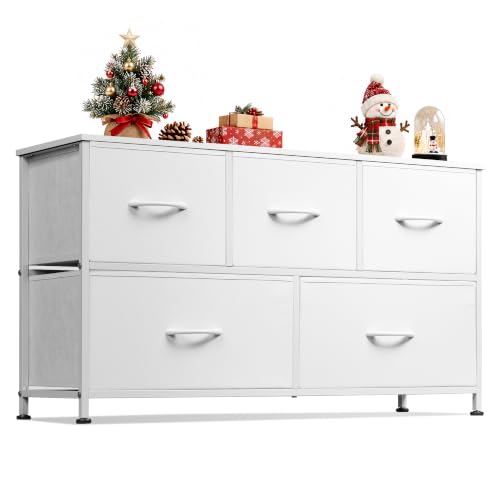
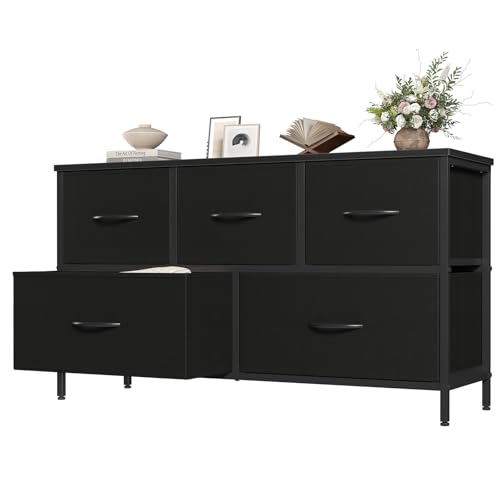
Low Chest of Drawers for Closet: The Complete Storage Guide
Maximize tight closet space with a low-profile storage chest. Learn how height, depth, drawer layout, and materials affect everyday usability — so you choose a unit that fits your closet and your routine.
Why this guide matters: A closet is one of the most efficient places to add drawer storage, but standard dressers often stand too tall or run too deep. A low chest of drawers for closet use solves both problems. Below, you will find clear guidance on dimensions, drawer configurations, build quality tiers, and practical organization strategies — everything you need before committing to a purchase.
Why a Low Chest of Drawers Works in a Closet
Closets are vertical spaces. Hanging rods, shelves, and upper storage already claim the top half of the room. A low chest of drawers places storage exactly where it is most accessible — at waist height and below — without competing for the same vertical real estate as hanging garments.
This arrangement keeps folded clothing, accessories, and seasonal items within easy reach while preserving the full height of the closet for hanging space. For walk-in closets, a low profile dresser for closet placement also opens up the center of the room, making the space feel less cramped.
Preserves Hanging Space
Low units sit below the rod line, so long dresses, coats, and shirts hang freely without obstruction.
Improves Accessibility
Drawers at waist height and below are easier to open and browse than overhead shelving, especially for daily items.
Keeps Floors Clear
A structured chest replaces scattered bins and baskets, giving folded clothing a dedicated home.
Ideal Dimensions for a Closet Chest
Dimensions are the single most important factor when buying a low chest of drawers for closet use. A unit that is even a few inches too deep can block walking space, while one that is too tall will interfere with hanging rods or shelving. Use the ranges below as a starting framework, then measure your actual closet before shopping.
| Dimension | Recommended Range | Why It Matters |
|---|---|---|
| Height | 24–36 inches | Stays below most hanging rods and upper shelves; keeps top surface usable as a staging area. |
| Depth | 14–18 inches | Fits walk-in and reach-in closets without blocking the walking path; still deep enough for folded clothing. |
| Width | 30–48 inches | Balances storage capacity with the need to leave room for hanging garments and door clearance. |
| Drawer Extension Clearance | 24+ inches in front | Ensures drawers open fully without hitting the opposite wall or closet door. |
Choosing the Right Drawer Configuration
Drawer layout matters as much as overall size. A closet chest works hardest when the drawer mix matches what you store. The most practical configuration combines shallow upper drawers for small items with deeper lower drawers for folded clothing.
- Two shallow top drawers: Ideal for socks, underwear, accessories, and jewelry organizers.
- Two to three deeper middle drawers: Best for folded shirts, knitwear, and workout clothing.
- One deep bottom drawer: Useful for bulky items such as jeans, bedding, or off-season layers.
- Full-extension slides: Allow you to see and reach the back of each drawer without digging.
- Soft-close mechanism: Reduces noise and prevents drawers from slamming in a confined space.
If your closet already has shelving for folded items, a unit with more shallow drawers can serve as an accessory hub. If shelving is limited, prioritize deeper drawers. For a broader comparison of drawer counts and layouts, see the low chest of drawers overview.
Build Quality Tiers: What to Expect
Closet environments are humid and frequently accessed, so construction quality directly affects longevity. Rather than focusing on specific numbers, compare units by their market tier and the materials and hardware typical of each tier.
Essential Tier
Engineered wood panels with laminated finishes. Adequate for light use and temporary setups. Drawer slides are typically basic side-mounted runners. Best for guest closets or rental spaces.
Balanced Tier
Solid wood fronts with engineered wood carcasses. Smoother metal slides and reinforced drawer bottoms. A solid choice for daily use in primary closets and well-specified for the category.
High-End Tier
Solid hardwood construction, dovetail joinery, and full-extension soft-close slides. Durable construction designed for long-term use and heavier loads. A worthwhile investment for custom closets.
Mid-range and high-end tiers generally offer smoother drawer movement and better weight support. For closets that hold heavy denim or bedding, upgrading to a unit with reinforced drawer bottoms and metal slides is a practical decision.
Materials and Finishes That Suit Closets
Closets tend to trap moisture and receive less airflow than bedrooms. Choose finishes that resist warping and are easy to wipe down. Laminate and painted finishes are simple to maintain, while solid wood offers repairability and a natural look.
If your closet has a light, airy palette, a natural wood or white finish keeps the space feeling open. For darker closets, lighter finishes reflect more light. Explore finish-specific options such as a white dresser or a natural wood dresser if you want the unit to blend with surrounding cabinetry.
Organization Strategies for Closet Chests
A well-organized chest reduces daily friction. The goal is to assign each drawer a clear purpose and keep frequently used items at the most accessible heights.
- Top drawers: Small accessories, socks, and undergarments — items you reach for daily.
- Middle drawers: Folded tops, workout wear, and loungewear sorted by category.
- Bottom drawers: Jeans, bulky knitwear, and off-season items.
- Drawer dividers: Keep folded stacks upright and prevent them from collapsing into a pile.
- Labeling: Especially helpful in shared closets, so every household member knows where items belong.
Pairing the chest with a consistent folding method keeps drawers tidy and makes inventory visible at a glance. For more detailed drawer-level advice, see the dresser organization guide.
Safety and Installation Checklist
Closets are small, frequently used spaces. Safety should be part of the buying decision, not an afterthought.
- Anti-tip hardware: Secure the chest to the wall studs. This is essential in closets where the unit may be bumped while reaching for clothing.
- Level floor: Place the chest on a level surface so drawers align and slide smoothly.
- Ventilation gap: Leave a small gap behind the unit to allow airflow and reduce moisture buildup.
- Door clearance: Confirm the closet door can open fully without hitting the chest or an open drawer.
- Weight distribution: Place heavier items in lower drawers to improve stability.
How to Choose the Right Unit
Bringing it together, the right low chest of drawers for closet use balances four factors: available space, storage volume, build tier, and daily workflow. Start by measuring height, depth, and width clearances. Then decide how many shallow versus deep drawers you need based on what you fold and store.
If your closet is a walk-in, a slightly wider unit may work well along a side wall. If it is a reach-in closet, prioritize a narrow footprint and full-extension slides so every inch of drawer space is usable. Readers comparing closely related formats may also find the low chest of drawers for bedroom guide useful for understanding how height affects usability in different rooms.
Ready to Compare Options?
Browse recommended low-profile chests and closet storage units selected for tight spaces, practical drawer layouts, and durable construction.
View Recommended ProductsFrequently Asked Questions
What height counts as a low chest of drawers for a closet?
A low chest of drawers for closet use typically stands between 24 and 36 inches tall. This range keeps the top surface below most hanging rods and shelving, so the unit slides under existing storage without blocking access.
How deep should a low dresser for a closet be?
Most walk-in closets benefit from a depth of 14 to 18 inches. A low profile dresser for closet placement should leave at least 24 inches of clear walking space in front of the drawers when fully extended.
Can a low chest of drawers fit inside a reach-in closet?
Yes, provided the closet is at least 24 inches deep and the unit is narrow enough to leave room for hanging clothes. Measure the door swing and drawer extension path before choosing a model.
What drawer configuration works best in a closet?
A mix of shallow top drawers for accessories and deeper lower drawers for folded clothing works well. Three to five drawers is a practical range for most closet storage chests.
Should a closet chest be anchored to the wall?
Yes. Anti-tip hardware should be installed on any chest of drawers, especially in closets where the unit may be bumped while reaching for clothing. This is a standard safety practice recommended by furniture safety guidelines.
Final Thoughts
A low chest of drawers for closet storage is one of the most practical upgrades you can make to an underused space. By matching height, depth, and drawer layout to your closet dimensions and daily routine, you create a storage system that stays organized and accessible for years.
Measure carefully, choose a build tier that matches how heavily the unit will be used, and anchor it properly. With those fundamentals in place, the chest becomes a reliable foundation for a clutter-free closet.