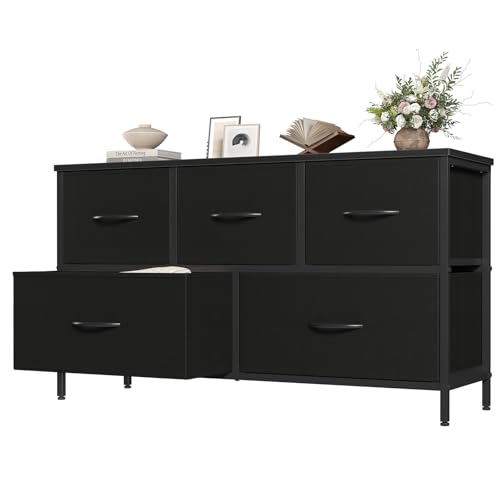
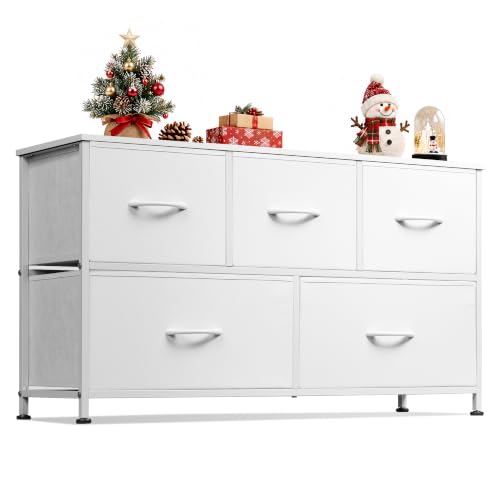
Low Dresser for Closet: The Smart Way to Store More in Less Space
Turn an overlooked corner of your closet into a fully functional storage zone. This guide explains how a low dresser for closet use works, which sizes and drawer layouts actually fit, and how to organize it so everything stays visible and reachable.
If your bedroom feels crowded but your closet has a stretch of unused floor, a low dresser is one of the most practical upgrades you can make. Unlike tall chests that block hanging space, a low profile dresser for closet use slides under garments, keeps the top surface free for folding or accessories, and adds drawer storage exactly where you get dressed every day. In the sections below you will find clear guidance on dimensions, drawer configurations, materials, safety, and organization so you can choose with confidence.
Why a Low Dresser Works So Well in a Closet
Closets are vertical spaces. Most people fill the top shelf and the hanging rod but leave the floor area under garments largely empty. A low chest of drawers for closet placement reclaims that dead zone without competing for hanging room. Because the unit stays below eye level, the top of the dresser can double as a folding station, a spot for a jewelry tray, or a landing place for laundry baskets.
The benefits stack up quickly:
- Uses vertical clearance you already have. Low units sit beneath a standard rod, so you gain drawers without losing hanging space.
- Keeps clothing in one workflow. Everything from socks to sweaters lives where you dress, reducing trips between rooms.
- Improves visibility. Shallow drawers and a low height mean you can see into the back of each drawer without bending awkwardly.
- Frees bedroom floor space. Moving storage into the closet can open up a tighter bedroom layout.
- Creates a natural folding surface. The top of a low dresser is often the most useful flat surface in a closet.
If your closet is especially tight, a narrow low dresser can still deliver meaningful storage. The key is matching depth and width to the walking path, not just to the wall.
Key Dimensions: Height, Depth, and Width
Getting the measurements right is the single most important step. A dresser that is slightly too deep will block your path; one that is too tall will interfere with hanging clothes. Use the guidance below as a starting framework, then measure your own space.
Height
Most low dressers for closets stand between 24 and 34 inches tall. The practical ceiling is usually set by the hanging rod. If you plan to hang long dresses or coats above the unit, allow roughly 40 inches of clearance from floor to rod. For shorter garments such as shirts and folded trousers, a double-hang setup can put the lower rod just above the dresser top, which is a very efficient use of space.
Depth
Standard dressers are 16 to 20 inches deep. In a closet, 14 to 18 inches is usually the workable range. Deeper drawers hold more, but they also demand more floor clearance when open. Measure the space between the dresser front and the opposite wall or door swing, then add a few inches of buffer so you can stand comfortably while pulling a drawer out.
Width
Width is the most flexible dimension. A narrow low dresser, perhaps 24 to 36 inches wide, fits neatly into a short wall segment. A wider unit, 48 inches or more, can act almost like a built-in and anchor a walk-in closet. Leave at least a few inches of breathing room on each side so the piece does not feel wedged in and so you can clean around it.
| Closet Type | Recommended Height | Recommended Depth | Best For |
|---|---|---|---|
| Reach-in closet | 24–30 in | 14–16 in | Narrow low dresser that keeps the walkway open |
| Walk-in closet | 28–34 in | 16–18 in | Wider unit with a folding surface on top |
| Under-rod placement | 24–28 in | 14–18 in | Low profile dresser for closet use beneath hanging clothes |
| Corner or end wall | 26–32 in | 14–16 in | Compact low chest of drawers for closet corners |
If you are also considering a larger storage piece for the bedroom itself, it helps to compare the trade-offs between a low chest of drawers for closet placement and a freestanding bedroom unit before you commit.
Drawer Layouts That Actually Work in a Closet
Drawer configuration matters more than total drawer count. A low dresser with a few well-proportioned drawers often organizes better than a tall stack of shallow ones. Think about what you plan to store and match the layout to those items.
Shallow top drawers
Shallow drawers are ideal for socks, underwear, accessories, and folded T-shirts. They keep small items from getting lost in a deep cavity. A low dresser with a shallow top row and deeper drawers below gives you a balanced tier of storage.
Deep lower drawers
Deeper drawers handle sweaters, jeans, and bulky knitwear. In a closet, deep drawers are also useful for off-season clothing that you rotate in and out. Keep the deepest drawer at the bottom so the weight stays low and the unit remains stable.
Split and divided drawers
Some mid-range and premium low dressers include divided drawers or removable organizers. For closet use, a divided top drawer is genuinely helpful because it separates small categories without requiring extra bins. If the dresser you like lacks dividers, insertable organizers solve the problem.
As a general rule, three to five drawers is the sweet spot for a low profile dresser for closet placement. Fewer drawers mean each one must be larger and heavier; more drawers can crowd the frame and reduce usable depth.
Materials and Build Quality
A closet can be a harsher environment than a bedroom. Humidity fluctuates, doors slam, and the unit may be reached over or bumped. Choose materials and construction that hold up to daily use.
Solid wood
Solid wood frames, particularly oak, maple, and walnut, offer the most durable construction and the best long-term investment. They resist warping and hold screws and hardware securely. Solid wood dressers sit in the premium and luxury tiers and are the strongest choice if the piece will see heavy daily use.
Engineered wood with quality veneers
Mid-range dressers often pair engineered wood cores with hardwood veneers. This construction is stable, resists moisture better than some solid woods, and keeps the unit lighter. Look for well-fitted joints and a solid build rather than relying on a single material label.
Drawer hardware and glides
The drawer mechanism is where entry-level and mid-range units most often differ from premium ones. Entry-level dressers may use simple roller glides, while mid-range and high-end tier models typically use side-mount or under-mount slides with smoother action and soft-close features. Heavy-duty slides matter if you plan to store denim, tools, or bulky items.
Finish and moisture resistance
Closets near bathrooms or exterior walls can be damp. A sealed, moisture-resistant finish protects the wood and makes the surface easier to wipe down. This is one area where paying attention to specification pays off; feature-rich options in the mid-tier often include better sealing than starter tier pieces.
For a broader look at how finishes and hardware affect longevity, see our guide to materials and finishes.
How to Organize a Low Dresser Inside a Closet
Good organization is what turns a low dresser from a piece of furniture into a system. The goal is to keep everything visible, reachable, and easy to put away.
Assign categories by drawer height
Match the most frequently used items to the easiest drawers. The top drawer should hold daily essentials such as socks and underwear. Middle drawers can hold folded shirts and workout wear. The bottom drawer is best for bulky items and off-season clothing.
Use vertical folding
Folding clothes so they stand upright, file-style, lets you see every item at a glance. This technique works especially well in shallow drawers and reduces the temptation to stack and dig.
Add dividers and dividers within dividers
Drawer dividers are inexpensive and dramatically improve small-item storage. For a closet dresser, a combination of dividers and small bins creates clear zones without a lot of effort.
Rotate seasonally
Use the lowest drawer for off-season items and rotate them twice a year. This keeps the most relevant clothing in the most accessible drawers and prevents the unit from becoming overstuffed.
Keep the top surface intentional
The top of a low dresser is prime real estate. Use it for a folding mat, a small tray for jewelry and accessories, or a single decorative object. Avoid letting it become a catch-all, because clutter on top reduces the sense of order in the whole closet.
For deeper guidance, explore our dresser organization guide and our collection of drawer organization ideas.
Low Dresser vs. Other Closet Storage Options
A low dresser is not the only way to add closet storage, and it is worth understanding how it compares with alternatives.
| Storage Option | Tier | Best For | Trade-off |
|---|---|---|---|
| Low dresser for closet | Essential to high-end tier | Folded clothing, accessories, folding surface | Needs floor space and clearance for drawers |
| Tall chest of drawers | Mid-range to premium | Maximizing drawer count in a narrow footprint | Blocks hanging space and can feel top-heavy |
| Closet shelving units | Starter to mid-tier | Baskets, bins, and folded stacks | Open shelves collect dust and hide clutter poorly |
| Built-in closet system | High-end to luxury | Fully customized storage | Fixed placement and a larger project commitment |
If your closet is shallow but your bedroom has room, a low dresser for end of bed placement can be a strong alternative. Conversely, if hanging space is the priority and drawer storage is secondary, a low profile dresser for closet use remains the most space-efficient choice.
Placement Tips and Safety
Where you put the dresser matters as much as which one you choose. A few practical rules keep the closet functional and safe.
Plan the walking path first
Mark the dresser footprint on the floor with tape, then open the drawers in your mind and walk the route you use each morning. If the open drawer blocks the door or the path to the hanging rod, adjust the placement or choose a shallower unit.
Respect door swings
Closet doors, whether hinged or sliding, need clearance. Position the dresser so it does not interfere with the door travel. In a reach-in closet, the dresser often works best on an end wall rather than directly facing the door.
Anchor the dresser
Anti-tip anchoring is essential. A dresser in a closet may be leaned on while reaching for items, and drawers opened together can shift weight forward. Use the manufacturer's anti-tip kit and secure the unit to a wall stud.
Leave room for lighting and ventilation
If your closet has lighting, make sure the dresser does not block it. Good light makes drawer contents easier to see. Also avoid pushing the unit tight against a damp exterior wall; a small gap improves airflow.
For small-space planning, our small bedroom storage ideas and closet storage solutions guides offer complementary strategies.
Buying Checklist
Before you commit to a low dresser for closet use, run through this checklist:
- Measure height clearance from floor to hanging rod, and confirm the dresser top stays below it.
- Measure depth from wall to the opposite obstacle, then subtract a few inches for standing room and drawer travel.
- Confirm drawer count and layout match what you plan to store, with shallow drawers up top and deeper drawers below.
- Check the drawer mechanism and prefer smooth, well-rated slides in the mid-tier or higher.
- Inspect the finish for moisture resistance if the closet is near a bathroom or exterior wall.
- Plan anchoring and confirm the unit includes or accepts an anti-tip kit.
- Leave side clearance for cleaning and to avoid a wedged-in feel.
For a wider view of size and layout decisions, see our dresser size guide and the complete dresser buying guide.
Bottom Line
A low dresser for closet placement is a smart, space-efficient solution for anyone who wants more drawer storage without sacrificing hanging room. Focus on height and depth first, choose a drawer layout that matches your clothing, and select materials that suit the humidity and traffic of your closet. With the right unit and a simple organization system, a low profile dresser for closet use can transform an underused corner into the most functional part of your daily routine.
Frequently Asked Questions
What height counts as a low dresser for a closet?
A low dresser typically stands between 24 and 34 inches tall. In a closet, the ideal height keeps the top surface below hanging garments while still leaving room to open the top drawer without hitting shelves.
How deep should a low dresser be inside a closet?
Standard dressers are 16 to 20 inches deep. For a closet, a depth of 14 to 18 inches is usually the sweet spot so you can open drawers and still walk past comfortably.
Can a low dresser fit under a hanging rod?
Yes, many low dressers are designed to sit beneath a standard hanging rod. Leave at least 40 inches of clearance above the floor for long garments, or use a double-hang layout above the dresser.
Do I need to anchor a dresser placed in a closet?
Yes. Anti-tip anchoring is strongly recommended for any dresser, and it is especially important in a closet where the unit may be reached over or bumped while sorting clothes.