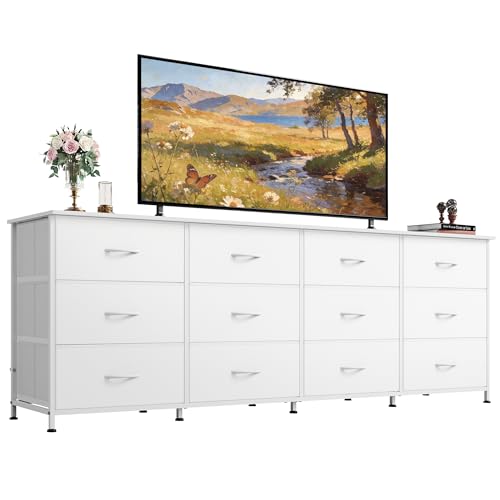
Large White Dresser: Bright, Spacious Bedroom Storage
A large white dresser combines generous capacity with a light, airy finish that opens up a bedroom. This guide covers sizing, drawer layouts, finishes, materials, and styling so you can choose with confidence.
Why a large white dresser works: White finishes reflect light and visually expand a room, while the large footprint delivers serious storage for clothing, linens, and accessories. If you are researching before you buy, the sections below explain what separates a well-built piece from an ordinary one.
What Counts as a Large White Dresser?
A large white dresser generally offers a wide top surface and multiple rows of drawers, giving you a central storage hub rather than supplemental space. Compared with compact units, these pieces suit primary bedrooms, guest rooms, and shared spaces where clothing volume is higher. The wide top also doubles as a staging area for everyday items and decor, so the piece earns its place beyond pure storage.
Because the finish is light, the visual weight of a big piece is reduced. A large white dresser can sit against a darker wall without dominating the room, and it pairs naturally with natural wood tones, soft textiles, and neutral palettes. If you are comparing overall dimensions and drawer configurations across categories, the broader large dresser overview is a useful companion to this page.
Sizing and Placement Before You Choose
Measure first, then decide. A large dresser needs clearance for drawer pull-out and walking space. As a practical rule, allow roughly 30 inches of open floor in front of the unit so drawers can extend fully without obstruction. The top surface should sit comfortably below shoulder height for easy access, and the width should leave breathing room on at least one side if the room is narrow.
- Wall width: Confirm the dresser width plus at least 4–6 inches on each side for visual balance.
- Drawer clearance: Account for the full extension of the deepest drawer.
- Door and window swing: Avoid blocking closet doors, room doors, or radiator access.
- Anchor point: Secure the unit to the wall, especially in homes with children or pets.
If your room is long and narrow, a wide low-profile unit can be a better fit than a tall narrow one. For bedrooms with limited floor area but tall ceilings, a taller configuration recovers vertical storage without eating into walking space.
Drawer Layouts That Actually Work
The best drawer layout depends on what you store. A mix of shallow and deep drawers is usually the most flexible arrangement. Shallow top drawers suit socks, underwear, and accessories, while deeper lower drawers handle folded sweaters, jeans, and linens. A large white dresser with six to eight drawers typically balances capacity and organization without becoming unwieldy.
Drawer glide quality matters more than drawer count. Entry-level units often use basic side-mounted glides, while mid-range and premium pieces tend to offer smoother, quieter movement with higher weight ratings. If you store heavy items such as denim or bedding, look for reinforced drawer boxes and metal-to-metal glides. Our guide to large heavy-duty drawer slides explains what to check when weight capacity is a priority.
| Tier | Typical Construction | Best For |
|---|---|---|
| Entry-level | Engineered wood panels, basic side glides, painted or laminated white finish | Guest rooms, starter apartments, light use |
| Mid-range | Solid wood or reinforced panels, smooth ball-bearing glides, durable painted finish | Primary bedrooms, everyday use, long-term ownership |
| Premium | Solid hardwood, dovetail joints, soft-close undermount glides, hand-finished white coating | High-use bedrooms, design-focused interiors |
| Luxury | Premium hardwood, traditional joinery, lacquered or hand-rubbed white finish | Statement bedrooms, heritage and custom interiors |
White Finishes: Painted, Lacquered, and Laminated
Not all white finishes are the same. The three most common options each behave differently over time:
- Painted finish: A classic look with subtle texture. Quality painted surfaces resist chipping when properly sealed, but can show wear on high-touch edges.
- Lacquered finish: A smooth, reflective surface that is easy to wipe clean. Typically found in premium and luxury tiers.
- Laminate finish: A practical, low-maintenance option common in entry-level and mid-range pieces. Modern laminate can look remarkably close to painted wood.
If durability is your main concern, a well-sealed painted or lacquered surface on solid wood is usually the longest-lasting choice. For a deeper dive into surface options, see our comparison of laminate dresser construction.
Materials and Build Quality
A white finish can hide material shortcuts, so inspect the construction beneath the surface. Solid wood frames and drawer fronts hold screws better and tolerate seasonal humidity changes. Engineered wood is stable and common, but it needs reinforced joinery at stress points to stay rigid over time. Dovetail joints, corner blocks, and a finished back panel are all signs of a better-built piece.
Check the drawer bottoms and back panels too. Thin panels flex under load, and a flimsy back can let the unit twist. If you plan to move the dresser between rooms, weight and rigidity matter as much as the finish. The same principles apply across the large white dresser category, so it helps to know what to look for before comparing specific models.
Quick Quality Checklist
✔ Solid wood or reinforced panels at corners and drawer fronts
✔ Dovetail or reinforced drawer joints
✔ Smooth, quiet glides rated for the loads you store
✔ Sealed white finish with even coverage and no thin edges
✔ Anti-tip hardware included or available
White Dressers With a Mirror
A mirror adds function and light, but it changes the footprint. Attached mirrors add height and require wall clearance, while detached mirrors give you flexibility to reposition. For a large bedroom setup, a mirrored unit can replace a separate vanity and free up floor space. If that appeals to you, explore the large white dresser with mirror option for a coordinated look.
Styling a Large White Dresser
Because the surface is bright and generous, styling should stay intentional. A few well-chosen pieces prevent clutter from taking over:
- Use a tray to corral small items and keep the surface visually calm.
- Pair with warm wood or woven textures to soften the white finish.
- Add a table lamp for layered lighting and a more finished look.
- Keep the top about one-third styled and two-thirds clear for daily use.
In a small bedroom, a wide white unit can double as a console along one wall. In a larger room, it anchors the storage zone and leaves space for a bench or reading chair nearby.
Choosing the Right Tier for Your Needs
Match the tier to how hard the piece will work. Entry-level units suit low-traffic guest rooms and temporary setups. Mid-range pieces are the sweet spot for daily bedroom use because they balance durable construction with smooth hardware. Premium and luxury tiers make sense when the dresser is a long-term investment and part of the room's design language.
Within each tier, prioritize the features you will actually notice: drawer glide smoothness, finish durability, and whether the layout fits your folding and storage habits. A well-specified mid-range piece often serves a bedroom better than an entry-level unit with more drawers but weaker hardware.
Safety and Care
Always anchor large furniture to the wall, especially in homes with children or pets. Keep heavier items in lower drawers to improve stability, and avoid overloading top drawers. For cleaning, use a soft damp cloth on sealed white finishes and avoid abrasive cleaners that dull the surface. Touch-up paint matched to the finish extends the life of painted pieces.
Ready to Compare Large White Dressers?
Review the curated selection below to compare drawer layouts, finishes, and construction tiers. Check availability and explore the options that fit your bedroom.