Dresser Room: The Complete Layout, Storage & Organization Guide
A dresser room turns scattered clothing storage into one calm, purposeful zone. Learn how to plan the layout, choose the right dresser combination, and organize every drawer so getting dressed becomes effortless.
Start Planning Your Dresser RoomWhy a dresser room matters: Most bedrooms force a single dresser to do too much. A dedicated dresser room or dresser zone separates clothing, accessories, and seasonal items into a layout that stays organized over time. This guide walks through space planning, drawer strategy, furniture pairing, and the practical steps to build a dresser room that works for your daily routine.
What Is a Dresser Room and Who Needs One?
A dresser room is a space planned around dresser-based storage rather than a wardrobe-first layout. It can be a spare bedroom converted into a dressing area, a large walk-in closet with a central dresser island, or a defined zone in a primary bedroom where dressers, a mirror, and seating work together. The concept suits households that prefer folded clothing over hanging garments, need a central place for accessories, or want to reduce clutter in sleeping areas.
Common setups include a single large dresser with a mirror and bench, a pair of matching dressers placed back-to-back as a room divider, or a dresser combined with a closet system for a complete dressing hub. If your closet is shallow or shared, a dresser designed for inside a small closet can anchor the entire room.
Space Planning: How to Lay Out a Dresser Room
The single most important measurement is drawer clearance. Plan for at least 36 inches of open space in front of every dresser so drawers can fully extend without hitting a bed, wall, or door. In a dedicated room, orient dressers so drawers open toward the center of the floor area.
Single-Wall Dresser Zone
Best for narrow rooms and bedroom corners. One long dresser or a dresser paired with a nightstand runs along a single wall, leaving the opposite wall for a mirror and seating.
Parallel Dresser Layout
Two dressers face each other with a central walkway. Ideal for converting a spare bedroom into a dressing room, especially when one dresser holds daily clothing and the other stores accessories.
Dresser Island
A freestanding dresser placed in the middle of a walk-in closet creates a central folding and accessory station. Works well with a double-sided dresser for a walk-in closet.
Dresser + Closet Combo
Place the dresser at the closet entrance or integrate it into the closet run. A dresser and closet combination keeps folded and hanging storage within arm's reach.
Choosing the Right Dresser for a Dresser Room
In a dresser room, the dresser itself carries most of the storage load, so drawer count, depth, and build quality matter more than in a bedroom where a closet shares the work. Match the dresser to the room's footprint and to the volume of folded clothing you own.
Drawer Count and Size
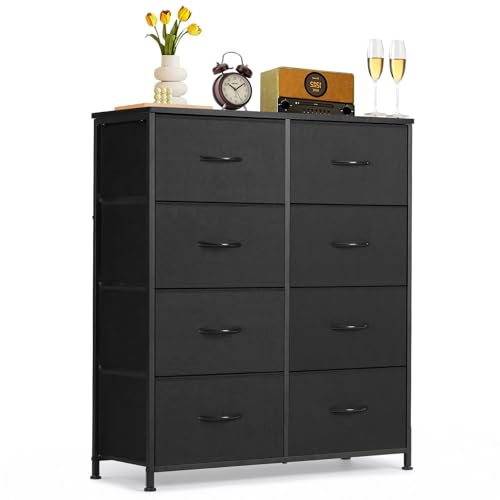
- Compact rooms (under 8 x 8 feet): Choose a dresser for small spaces with 4 to 6 drawers and a shallow depth to preserve walkway clearance.
- Medium rooms: A 6 to 9 drawer dresser, or a pair of 4 to 5 drawer dressers, balances folded clothing with accessory storage.
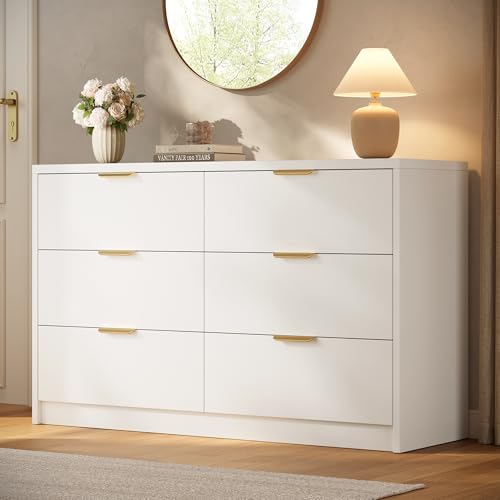
- Large or dedicated dressing rooms: Combine a wide dresser with a tall chest. A wide 6-drawer dresser handles everyday clothing while a tall chest stores seasonal items.
Dresser Type by Room Function
| Room Function | Recommended Dresser Type | Best For |
|---|---|---|
| Everyday dressing hub | Dresser and nightstand set | Daily clothing plus bedside essentials in one coordinated pairing |
| Shared dressing room | Double dresser for bedroom | Two users needing separate drawer banks |
| Accessory-focused room | Dresser with jewelry organizer drawers | Watches, jewelry, and small accessories |
| Multi-function room | Dresser and makeup vanity combo | Dressing and grooming in one footprint |
| Closet-based dresser room | Dresser for closet | Maximizing storage inside a walk-in closet |
Quality Tiers: What to Expect at Each Level
Rather than comparing numbers, use construction signals to judge a dresser's position in the market. The tiers below apply consistently across dresser room furniture.
| Tier | Construction Signals | Best For |
|---|---|---|
| Entry-level | Engineered wood panels, basic drawer slides, minimal reinforcement | Guest rooms and short-term dresser zones |
| Mid-range | Solid wood fronts, smoother drawer slides, dovetail or reinforced joints | Primary dresser rooms with daily use |
| Premium | Solid hardwood construction, full-extension slides, corner blocking | Heavy daily use and long-term layouts |
| Luxury / top-tier | Hardwood throughout, hand-finished details, premium hardware, precision joinery | Dedicated dressing rooms and design-led spaces |
For a deeper breakdown of joinery, finishes, and drawer mechanics, see the dresser quality guide.
How to Organize a Dresser Room, Drawer by Drawer
A dresser room only stays functional when every drawer has a defined job. Use frequency of use to assign drawers, then reinforce the system with dividers and labels.
- Audit before you place anything. Pull everything out and sort into keep, store elsewhere, and donate. A dresser room amplifies whatever system you build, including a disorganized one.
- Assign top drawers to daily essentials. Socks, underwear, and frequently worn accessories belong at eye level or in the top drawers of the most-used dresser. A dresser organized for socks and underwear makes mornings faster.
- Dedicate a drawer to accessories. Use a jewelry organizer drawer insert to keep small items separated and visible.
- Group folded clothing by category. Shirts in one drawer, pants in another, knitwear in a third. Keep categories consistent across dressers so you never search twice.
- Add dividers and organizers. Follow a drawer dividers guide to create zones inside each drawer instead of loose piles.
- Reserve one drawer for seasonal rotation. Store off-season items in the least accessible drawer and swap contents twice a year.
- Label and maintain. Small labels on the inside of drawer fronts keep the system honest. Schedule a quarterly declutter to prevent overflow.
For a full room-wide system, pair drawer organization with the broader dresser organization ideas guide.
Furniture Pairing for a Complete Dresser Room
A dresser room feels intentional when the pieces relate to one another. Choose one anchor piece, then add supporting furniture that shares finish, hardware, or proportion.
- Matching sets: A dresser and nightstand set or a dresser with two nightstands creates a coordinated base for bedroom-based dresser rooms.
- Mirror and seating: Add a dresser and mirror set plus a dresser bench for a complete grooming and dressing station.
- Extra storage: A dresser and chest of drawers pairing covers both folded clothing and bulky items.
- Multi-function additions: A dresser bookshelf or dresser desk combo lets the room serve double duty without losing storage.
Dresser Room Ideas for Small Spaces
A dresser room does not require a spare bedroom. With careful piece selection, a corner or closet can function as a complete dressing zone.
- Use a small-space dresser with a narrow footprint and tall profile to preserve floor area.
- Place a dresser inside a small closet to free up bedroom wall space entirely.
- Choose a dresser and nightstand set that nests together along one wall.
- Add vertical storage with a dresser shelf combination to use wall height instead of floor space.
- Keep the walkway clear by choosing drawers that open fully without needing extra clearance beyond the standard 36 inches.
Color, Finish, and Style Direction
The dresser is the visual anchor of the room, so its finish sets the tone for everything else. Use one dominant finish and one accent to keep the space cohesive.
- Light and airy: A white or natural wood dresser paired with light walls makes a small dresser room feel larger. Explore dresser color ideas for palettes that work in compact spaces.
- Warm and grounded: Walnut or oak finishes with brass hardware suit dedicated dressing rooms and pair well with a wood dresser and nightstand set.
- Soft and contemporary: A grey dresser and nightstand set bridges modern and traditional rooms.
- Statement style: A gold-accented dresser set adds a focal point without changing the room's structure.
Keeping the Dresser Room Functional Over Time
A dresser room degrades when drawers overfill and hardware loosens. Build maintenance into the routine:
- Check drawer slides and tighten screws every few months, especially on dressers used daily.
- Keep drawers at roughly 80 percent capacity so they glide smoothly and clothing stays visible.
- Dust and wipe finishes seasonally to prevent buildup on painted and natural wood surfaces.
- Reassess the layout when your clothing volume changes, and swap in a different dresser configuration if needed.
Related Dresser Room Guides
Deepen your planning with these focused guides:
- Complete Dresser Buying Guide
- Dresser Organization Ideas
- Dresser for Closet
- Dresser for Small Spaces
- Dresser and Nightstand Set
- Dresser Quality Guide
- Drawer Dividers Guide
- Dresser and Closet Combo
- Dresser Drawer Jewelry Organizer
- Dresser and Makeup Vanity Combo
Frequently Asked Questions About Dresser Rooms
What is a dresser room?
A dresser room is a dedicated space or zone within a bedroom, walk-in closet, or dressing area planned around dresser storage. It combines a dresser, supporting storage pieces, and organization systems to create a functional clothing and accessory hub.
How much space do I need for a dresser room?
Plan for at least 36 inches of clearance in front of each dresser for comfortable drawer access. A full dresser room works best at around 8 by 10 feet, but a compact dresser zone can fit in a bedroom corner or walk-in closet with as little as 5 by 6 feet.
Where should a dresser be placed in a room?
Place the dresser on a wall opposite the bed or near the closet entrance for the most efficient flow. Avoid blocking windows, heating vents, and door swings. In a dedicated dresser room, orient the dresser so drawers open toward the center of the space.
How do I organize a dresser room?
Group clothing by category and frequency of use. Keep daily essentials in the top drawers, seasonal items in less accessible drawers, and use dividers to separate socks, underwear, and accessories. Label drawers and declutter quarterly.
Can a dresser room work in a small apartment?
Yes. Use a narrow or tall dresser, a closet-based dresser, or a dresser combined with a nightstand or desk. Wall-mounted mirrors and vertical shelving help maximize a compact dresser zone.