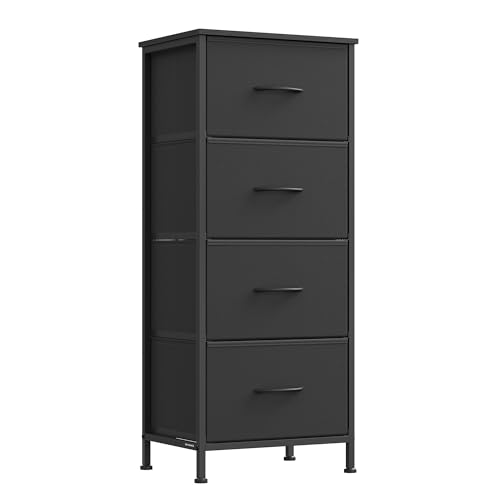
Dresser for Socks and Underwear: The Complete Guide to Organized Storage
Your socks and underwear deserve a dedicated, well-designed home. This guide explains how to choose the right dresser, set up drawers for fast daily routines, and avoid the clutter that builds up when small items have no system.
Explore Recommended OptionsWhy this matters: Socks and underwear are the most frequently accessed items in a bedroom. When they are stored in a disorganized drawer, you waste time every morning and lose matching pairs. A purpose-chosen dresser with the right drawer configuration solves this problem permanently. If you are still deciding between furniture types, our complete dresser buying guide explains the fundamentals before you commit.
Why a Dedicated Dresser for Socks and Underwear Makes Sense
Many people store socks and underwear in whatever drawer is available, which usually leads to a tangled pile. A dedicated dresser for these items creates a clear system: one shallow drawer for underwear, another for socks, and optional dividers to keep everything visible. This approach works particularly well in a dresser for closet layout or a compact bedroom where every drawer must earn its place.
The benefit is not only organization. Smaller items are easier to rotate when they are stored in dedicated drawers, so worn pairs are replaced before they become unusable. If you live in a small apartment, a dresser for small spaces with three or four drawers can handle socks, underwear, and a few folded basics without dominating the room.
Key Features to Look For
Not every dresser is designed for small-item storage. The most important factors are drawer depth, drawer count, and the smoothness of the drawer slides.
- Drawer depth: Shallow drawers between four and six inches deep are ideal for socks and underwear. Deep drawers encourage stacking and hide items at the bottom.
- Drawer count: Three to five drawers is the practical sweet spot. A four-drawer configuration lets you dedicate one drawer to underwear, one to socks, and keep the remaining drawers for folded shirts or loungewear.
- Drawer slides: Smooth full-extension slides make it easy to reach the back of the drawer. Heavy-duty slides are a worthwhile upgrade if the drawer is used daily.
- Interior finish: A smooth interior prevents snags on delicate fabrics. Solid wood and high-grade engineered wood are reliable choices.
For a deeper look at hardware quality, our dresser hardware guide explains the difference between slide types and what to expect at each quality tier.
Dresser Quality Tiers Explained
To help you compare options without focusing on numbers, we use a consistent tier system throughout this guide. The tiers describe relative market position and build quality, not absolute figures.
| Tier | Best For | Typical Characteristics |
|---|---|---|
| Entry-level | Guest rooms, dorms, temporary setups | Basic engineered wood, standard slides, simple finish |
| Mid-range | Primary bedrooms, daily use | Solid wood or reinforced engineered panels, smoother slides, better joinery |
| Premium | Long-term bedroom investment | Hardwood construction, full-extension slides, refined finish and hardware |
| Luxury | Design-focused interiors, heirloom use | Select hardwoods, hand-finished details, premium drawer mechanisms |
For a day-to-day socks and underwear dresser, the mid-range tier is generally the most balanced choice: it offers durable construction and smooth drawers without the cost of flagship details. If the dresser is a long-term purchase for a primary bedroom, stepping up to the premium tier is a reasonable long-term investment.
How to Organize Socks and Underwear Drawers
The dresser itself is only half the solution. The organization system inside the drawers determines whether the setup stays tidy after the first week.
- Assign one drawer per category. Keep underwear and socks separate if space allows. If you only have one drawer, use dividers to create two clear zones.
- Use drawer dividers or organizers. Our drawer dividers guide covers the main options, from adjustable dividers to fabric bins, and explains which style works best for small items.
- Fold upright. File-folding socks and underwear so they stand vertically lets you see every pair at a glance. This is the single most effective habit for keeping a drawer organized.
- Avoid overfilling. A drawer should close without pressure. Overfilling compresses the items and makes it harder to find matching pairs.
- Rotate seasonally. Move heavy winter socks to a secondary drawer or storage bin during warmer months, and keep the daily drawer focused on current items.
Quick setup checklist
- One shallow drawer for underwear, one for socks
- Adjustable dividers in each drawer
- File-fold everything upright
- Keep a small spare bin for unmatched singles
Sizing and Placement in the Bedroom
Placement matters as much as the dresser itself. The socks and underwear dresser should sit within easy reach of where you dress, typically near the closet or beside the bed. A compact chest with three drawers can fit into a narrow wall segment, while a wider dresser offers extra surface area for a mirror or lamp.
If you are coordinating furniture, a matching set simplifies the layout. Our dresser and nightstand set guide explains how to choose pieces that share a finish and proportion. For tighter rooms, a dresser for inside small closet arrangement keeps clothing storage out of the main floor area.
Height is also worth considering. A dresser top at roughly waist height makes the drawers easy to open and close, and it creates a practical surface for daily items. If the dresser doubles as a changing station or vanity, confirm the height works for that use before committing.
Materials and Finishes
Solid wood remains the most durable option for a daily-use dresser. Oak, maple, and walnut are common choices, and each has a distinct grain character. Engineered wood with a quality veneer is a practical alternative at the entry-level and mid-range tiers, provided the drawer boxes and slides are well made.
Finish choice is largely aesthetic, but it affects maintenance. Painted finishes hide minor scratches more easily, while natural wood finishes show grain and patina over time. For a cohesive bedroom, review our dresser color ideas before selecting a finish. If you are open to a lighter look, a white dresser and nightstand set is a versatile option that works in most interior styles.
Common Mistakes to Avoid
- Buying drawers that are too deep. Deep drawers hide items and encourage clutter. Shallow drawers are better for socks and underwear.
- Skipping drawer organizers. Without dividers, even a well-folded drawer drifts into disorder within days.
- Ignoring drawer slide quality. Stiff slides make daily access frustrating. Test the drawers in person when possible.
- Overloading the dresser. A dresser rated for light clothing should not be filled with heavy items. Respect the intended load and the drawer will last longer.
If you are still comparing furniture categories, our dresser vs chest of drawers comparison clarifies which form suits small-item storage best.
Frequently Asked Questions
What size dresser do I need for socks and underwear?
A small to mid-size dresser with three to five drawers is usually sufficient. Look for drawers that are at least four to six inches deep so you can use dividers and keep items visible. A compact dresser for small spaces works well if you share a closet or live in an apartment.
Should socks and underwear go in the same drawer?
Separate drawers are ideal if space allows, because it keeps each category easy to find. If you only have one drawer, use drawer dividers or small bins to create distinct zones. Some people prefer a shallow top drawer for underwear and a second drawer for socks to keep the routine fast and tidy.
How do I keep socks and underwear organized in a dresser?
Use drawer dividers or drawer organizers to create compartments. Fold socks and underwear upright in a file-fold style so you can see every item at a glance. Rotate seasonal items and avoid overfilling drawers, since a stuffed drawer makes it harder to find matching pairs.
What material is best for a socks and underwear dresser?
Solid wood and high-grade engineered wood with quality drawer slides are the most durable choices. For a lighter footprint, bamboo and metal dressers are solid options. Whatever material you choose, check that the drawer slides operate smoothly and that the interior is smooth enough not to snag delicate fabrics.