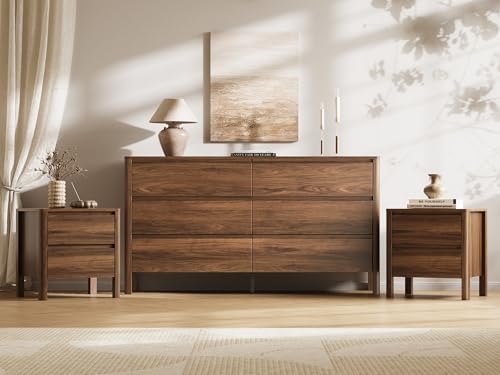
Dresser Chest and Nightstand Set: The Complete Buying Guide
Everything you need to know before choosing a coordinated bedroom furniture set — from sizing and materials to styling and long-term durability.
START EXPLORINGWhy Buy a Set? A coordinated dresser chest and nightstand set brings visual harmony to your bedroom, simplifies the shopping process, and ensures consistent quality across all pieces. This guide walks you through every consideration so you can choose with confidence.
What Is a Dresser Chest and Nightstand Set?
A dresser chest and nightstand set is a coordinated collection of bedroom storage furniture that typically includes three core pieces: a wide dresser for folded clothing and accessories, a chest of drawers for additional vertical storage, and one or two nightstands that flank the bed. These sets are designed so that every piece shares the same finish, hardware style, wood species or veneer, and proportional design language.
Buying these pieces together offers practical advantages. You avoid the guesswork of matching finishes across different manufacturers, you typically get a more cohesive visual result, and the set is engineered so that heights and depths work together in a standard bedroom layout. For anyone furnishing a bedroom from scratch or upgrading an outdated matching collection, a well-chosen set is one of the most efficient decisions you can make.
That said, not all sets are created equal. The difference between an entry-level set and a premium one often comes down to drawer construction, joinery methods, hardware quality, and the stability of the finish over time. The sections below break down each of these factors so you can evaluate any set you encounter — whether online or in a showroom — with a critical eye.
What's Typically Included in the Set
While configurations vary by manufacturer, most dresser chest and nightstand sets follow one of a few common patterns. Understanding these configurations helps you match the set to your room size and storage habits.
- Three-piece set: One dresser, one chest of drawers, and one nightstand. This is the most common configuration and works well for single occupants or smaller primary bedrooms.
- Four-piece set: One dresser, one chest of drawers, and two nightstands. Ideal for couples or anyone who wants symmetrical bedside storage.
- Five-piece set: Often adds a bed frame or mirror to the four-piece configuration. The most comprehensive option for a fully coordinated bedroom.
- Expandable collections: Some manufacturers sell pieces individually within a collection, letting you start with a dresser and nightstand and add a chest or mirror later. This is worth considering if your needs may change.
If you are specifically comparing dresser and nightstand pairings without a chest, you may find our guide to a dresser and nightstand set helpful for narrowing down two-piece options. For larger rooms where storage is the priority, a dresser, nightstand, and chest set provides the most comprehensive solution.
Sizing: How to Measure Your Bedroom Before You Buy
Sizing is the single most common source of buyer regret with bedroom furniture sets. A dresser that looks proportionate in a showroom can overwhelm a small bedroom, and a chest that seems compact online can block a closet door in practice. Before you shop, measure your room and sketch a simple floor plan.
Key Measurements to Take
- Wall length available for the dresser: Leave at least 24 inches of clearance in front of the dresser for comfortable drawer opening, and avoid placing it where it blocks traffic flow.
- Bed height: Nightstands should be roughly level with or slightly below the top of your mattress for comfortable reach. A nightstand that is too low forces you to lean down; one that is too high feels awkward.
- Chest of drawers footprint: A chest is taller and narrower than a dresser. Confirm it fits against a wall without blocking windows, closet doors, or air vents.
- Door and hallway widths: Verify that each piece can physically be delivered into the room. This is especially important for tall chests and wide dressers in apartments or homes with narrow stairwells.
Typical Dimensions by Piece
| Piece | Typical Width | Typical Depth | Typical Height | Best For |
|---|---|---|---|---|
| Wide dresser | 60–72 inches | 18–20 inches | 30–38 inches | Primary clothing storage; doubles as a surface for décor or a mirror |
| Chest of drawers | 30–40 inches | 16–19 inches | 45–60 inches | Additional vertical storage; good for small rooms with limited wall space |
| Nightstand | 18–28 inches | 16–20 inches | 22–28 inches | Bedside essentials: lamp, book, phone, water glass |
If your bedroom is on the smaller side, consider a compact dresser and nightstand combination rather than a full three-piece set, or look for sets where the chest is optional. Conversely, in a primary bedroom with generous wall space, a double dresser and nightstand set provides expansive storage without feeling crowded.
Materials and Construction: What Separates Good Sets from Great Ones
The materials and construction methods used in a dresser chest and nightstand set directly determine how long the furniture will last, how smoothly the drawers operate, and how well the finish resists wear. Understanding these details helps you evaluate sets at different market positions without relying on marketing language.
Wood and Engineered Materials
- Solid wood: The most durable option. Look for hardwood species such as oak, maple, walnut, or mahogany. Solid wood can be refinished and repaired, making it a long-term investment. However, solid wood furniture is sensitive to humidity fluctuations and should be kept away from direct heat sources.
- Engineered wood with veneer: MDF or particleboard core with a real wood veneer. This construction is stable and less prone to warping than solid wood, and it allows for consistent finishes across all pieces in a set. Quality veneers can look and feel very close to solid wood.
- Laminated or melamine surfaces: Common in entry-level sets. These are durable and easy to clean but cannot be refinished if damaged. They are a practical choice for guest rooms, children's rooms, or temporary setups.
Drawer Construction Details That Matter
- Dovetail joinery: Interlocking wedge-shaped joints at the drawer corners. A hallmark of quality construction, dovetail joints resist pulling apart under load and are found on mid-range and premium sets.
- English dovetail vs. French dovetail: English dovetails run front-to-back and are visible from the drawer side; French dovetails run side-to-side and are visible from the front. Both indicate quality; English dovetail is generally considered stronger.
- Drawer bottoms: Look for drawer bottoms that are set into a groove in the drawer sides rather than stapled or nailed to the bottom edge. Grooved bottoms can support more weight without sagging.
- Drawer slides: Metal ball-bearing slides with full extension allow the drawer to open completely and glide smoothly. Entry-level sets may use wooden slides or partial-extension metal slides, which are functional but less refined.
- Dust panels and center supports: Better sets include dust panels between drawers and center support rails on wide drawers to prevent sagging over time.
Hardware Quality
Hardware is the most tactile part of a dresser chest and nightstand set — it is what you touch every day. Solid metal hardware (brass, steel, zinc alloy) with a quality finish will remain smooth and secure for years. Hollow or plated hardware can loosen, tarnish, or break under regular use. If you plan to customize the look later, consider sets with standard-spaced drawer pulls so you can swap hardware easily. Our guide to dresser hardware covers this in more detail.
Understanding Market Tiers for Bedroom Sets
Bedroom furniture sets occupy distinct positions in the market, and understanding these tiers helps you set realistic expectations for construction quality, material selection, and longevity. Rather than focusing on numeric figures, think in terms of relative positioning and what each tier typically delivers.
| Tier | Typical Construction | What to Expect | Best For |
|---|---|---|---|
| Entry-Level | Engineered wood, laminate or basic veneer, stapled or nailed drawer boxes, partial-extension slides | Functional storage with consistent finishes; lighter weight; suited to low-traffic rooms | Guest rooms, dorm rooms, first apartments, temporary setups |
| Mid-Range | Engineered wood with quality veneer or mixed solid/engineered construction, screwed or doweled drawer boxes, full-extension ball-bearing slides | Smoother operation, better weight capacity, more refined finishes and hardware | Primary bedrooms, daily-use furniture, long-term home setups |
| Premium | Mostly solid wood or high-grade veneer, dovetail drawer joinery, heavy-duty slides, solid metal hardware | Excellent durability, repairable finishes, precise alignment across all set pieces | Primary suites, furniture meant to last a decade or more |
| Luxury | Solid hardwood throughout, hand-finished details, custom hardware, dovetail joinery with premium slides | Heirloom-quality construction, unique finishes, exceptional fit and finish | Statement bedrooms, collectors, buyers seeking long-term investment pieces |
A useful rule of thumb: mid-range sets typically offer the best balance of durability and design flexibility for most households. Entry-level sets are a reasonable choice when the furniture will see light use, while premium and luxury tiers make sense when you intend to keep the set for many years and want the option to refinish or repair pieces over time.
Style Considerations: Making the Set Work in Your Room
Style is where a dresser chest and nightstand set either elevates a bedroom or feels out of place. Because the set occupies significant visual space, its style should align with the room's architecture and your existing décor.
Popular Style Directions
- Modern and contemporary: Clean lines, minimal ornamentation, often combined with metal accents or glass tops. Works well in rooms with neutral palettes and uncluttered layouts.
- Mid-century modern: Tapered legs, warm wood tones, and geometric hardware. A versatile style that pairs well with both vintage and contemporary rooms.
- Traditional: Decorative moldings, bracket feet, and classic hardware. Suited to rooms with wainscoting, crown molding, or a more formal aesthetic.
- Farmhouse and rustic: Distressed finishes, plank details, and dark or antiqued hardware. Creates a relaxed, textured look that works in both casual and transitional bedrooms.
- Transitional: A blend of traditional and modern elements — clean silhouettes with subtle decorative details. One of the most adaptable style categories for mixed décor.
Mixing Within a Set
If you are drawn to a set but worried it will look too uniform, consider small variations. Many collections offer the same dresser in two finishes, or pair a wood-tone dresser with painted nightstands within the same design language. The goal is cohesion, not strict duplication. For inspiration on how to coordinate storage pieces without a full matching set, browse ideas for a dresser and matching nightstand arrangement.
Color and Finish Direction
- White and cream sets: Brighten small or north-facing rooms and pair easily with most bedding and wall colors.
- Wood-tone sets: Warm and timeless; oak and walnut tones work in both traditional and modern contexts.
- Gray and neutral sets: A contemporary alternative to white; versatile and forgiving of wear.
- Black and dark finishes: Create visual anchor points; best in rooms with ample natural light.
Pre-Purchase Checklist
Before You Finalize Your Set Choice
- Measure the room, doorways, and intended furniture placement — including clearance for drawer opening and traffic flow.
- Confirm the nightstand height relative to your mattress top.
- Verify the drawer construction: look for dovetail joinery, grooved bottoms, and quality slides on any set at mid-range or above.
- Check the weight capacity of the dresser top if you plan to place a mirror, lamp, or decorative items on it.
- Review return and delivery policies, especially for large furniture shipped online.
- Ask about assembly requirements — some sets arrive fully assembled, while others require partial or full assembly.
- Confirm that replacement parts (hardware, feet, drawer slides) are available from the manufacturer.
- Consider future needs: a chest of drawers can be added later if you start with a smaller set.
Frequently Asked Questions
A typical set includes a wide dresser for clothing storage, a chest of drawers for additional vertical storage, and one or two nightstands that match in style, finish, and hardware. Some sets also include a mirror or bed frame. Configurations range from three pieces (one dresser, one chest, one nightstand) to five pieces (adding a second nightstand and a mirror or bed).
Measure your room first. The dresser should leave at least 24 inches of walking space in front for drawer opening. Nightstands should be level with or slightly below your mattress top. The chest should fit against a wall without blocking windows, closet doors, or vents. Also check that each piece can fit through your doorways and hallways during delivery.
Not necessarily. Matching sets create a cohesive look, but you can mix finishes within the same collection or coordinate complementary materials. What matters most is consistent style, hardware, and proportions. Many collections offer the same silhouette in multiple finishes, which lets you introduce subtle variation while keeping the room unified.
Solid wood offers the best durability and can be refinished over time. Engineered wood with quality veneers provides stability and design variety, and it is less prone to warping in humid conditions. For long-term use in a primary bedroom, prioritize sets with dovetail drawer joinery and full-extension metal slides regardless of the core material.
Yes. Many manufacturers sell individual pieces from a collection, which is useful if you want to start with a dresser and nightstand and add a chest later, or if you only need two pieces for a smaller room. Buying separately can also let you mix a dresser from one collection with nightstands from another, provided the styles and finishes coordinate well.
Ready to compare options? Our recommended selection below features coordinated dresser chest and nightstand sets across a range of styles and construction tiers. Each listing links to current availability so you can evaluate the details that matter most.