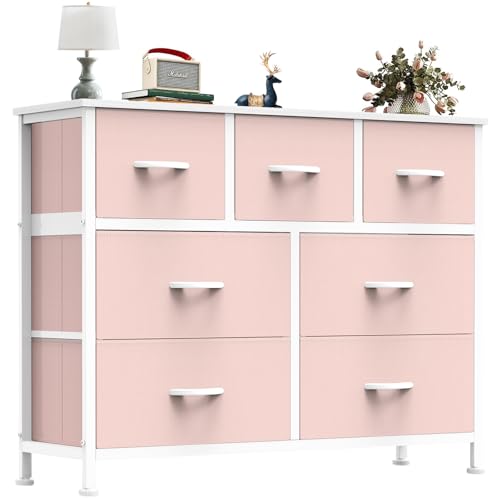
Start With Safety: The Non-Negotiable Basics
Furniture tip-over is the single most important safety concern for any chest of drawers in a children's room. A child who pulls on an open drawer can bring an unanchored unit down. Before anything else, plan for wall anchoring:
- Use the anti-tip kit: Every reputable chest of drawers ships with a wall-anchoring strap. Install it — even on low, wide models.
- Anchor into a stud or masonry: A drywall anchor alone is not enough for a loaded chest of drawers. Locate a stud or use a rated masonry fastener.
- Check drawer stops: Drawers should not pull completely free unless intentionally released. Look for integrated drawer stops or a safety catch on the glides.
- Round the edges: Rounded or beveled corners reduce injury risk in a room where children play. Many mid-tier and premium children's chests feature softened edges.
- Test the glides: Drawers that open too easily invite climbing; drawers that stick frustrate children. Look for smooth, controlled-extension glides.
Safety reminder: An anchored chest of drawers is safer than an unanchored wardrobe. If you are comparing storage types, our guide to the chest of drawers for a children's room and our broader buying guides both emphasize wall anchoring as step one.
Choosing the Right Size for a Child's Room
Size is a balance between storage capacity and usable floor space. A children's room is often shared with a bed, a play area, and a reading nook, so the chest of drawers must earn its footprint.
Height: Reachable, Not Climbable
For toddlers and young children, a chest around 30 to 40 inches tall lets them reach the top drawer without a step stool. Taller chests — sometimes called tall chests of drawers — offer more storage but must be anchored and may place upper drawers out of a small child's reach. A mid-tier height with four to six drawers is a practical middle ground for most families.
Width and Depth: Leave Room to Move
Measure the wall where the chest will stand, then subtract at least 24 inches of walking space in front of it so drawers can open fully. A low and wide chest of drawers can double as a surface for a lamp or changing pad, while a narrow chest fits tight corners. Confirm the depth clears the door swing and bed frame.
Drawer Count: Fewer, Deeper, or More, Shallower?
Young children do best with fewer, deeper drawers that hold folded clothes and pajamas without sorting. Older children benefit from a mix — deep drawers for jeans and sweaters, shallow drawers for socks and accessories. A four-drawer chest is a strong starter; a six-drawer tall chest suits a growing child who accumulates more clothing over time.
Materials and Construction: What Holds Up to Kids
Children's furniture sees daily wear: drawers slammed shut, toys tossed on top, and occasional spills. Material choice directly affects longevity.
| Tier | Typical Construction | Best For |
|---|---|---|
| Entry-level | Engineered wood with thin laminate, basic metal glides | Short-term nursery use or a secondary room; pair with a wall anchor |
| Mid-range | Thicker engineered wood or mixed solid wood, smooth ball-bearing glides | Everyday children's room use through the primary school years |
| Premium | Solid wood frames (pine, maple, oak), dovetail or reinforced drawer boxes | Families who want a chest that grows with the child and can be refinished |
| Luxury / high-end tier | Hardwood solids, hand-finished surfaces, soft-close hardware | Long-term investment pieces and heirloom-style children's furniture |
Solid wood remains the most durable construction for a children's room, but a well-built mid-range engineered wood chest can serve for years. Focus on the drawer box and glides as much as the exterior finish — those are the parts children interact with every day. If you are comparing solid wood against engineered options, our dresser buying guides break down the trade-offs.
Style and Finish for a Child's Space
A children's chest of drawers should feel at home in the room while surviving crayons, craft glue, and the occasional sticker. Practical considerations:
- Finish durability: A low-VOC, water-based finish resists wiping and is safer for indoor air quality. Matte or satin finishes hide fingerprints better than high gloss.
- Color: White and natural wood finishes stay versatile as a child's taste changes; a bold painted chest can be repainted later.
- Hardware: Recessed or rounded pulls are less likely to catch clothing or cause bumps than protruding knobs. Check that pulls are firmly attached and child-safe.
- Open vs. closed storage: Some children's chests combine drawers with open cubbies for books and toys — useful in a small room where every surface counts.
Organizing a Child's Chest of Drawers
Good organization turns a chest of drawers into a tool a child can use independently. A few approaches that work well in children's rooms:
- Assign zones by height: Put everyday items — underwear, socks, pajamas — in the lower drawers a child can reach, and reserve upper drawers for out-of-season clothing or items parents manage.
- Use drawer dividers: Simple dividers keep folded clothes in neat stacks and make it obvious where each item belongs. Our bureau drawer liners guide covers protecting the drawer interior while keeping items in place.
- Label or color-code: Picture labels work for pre-readers; color-coded bins inside drawers help older children sort independently.
- Rotate seasonally: Store off-season clothing in labeled bins on the top shelf of a closet, keeping the chest focused on what is worn now.
- Keep the top clear: A tidy top surface reduces the temptation to stack heavy items that could fall, and leaves room for a nightlight or a small changing station.
Nursery and Changing Table Combinations
Many families start with a chest of drawers that doubles as a changing station. A chest with a flat, stable top can hold a changing pad, with the pad secured by a non-slip base or a dedicated changing table topper. This approach saves floor space in a nursery and extends the furniture's life once diapering is done.
If you plan to use the chest as a changing station, confirm the top surface is wide enough for the pad and that the chest is anchored — a child reaching for the pad must never be able to tip the unit. A changing table dresser combines both functions in one piece, while a changing pad placed on top of a dresser is a flexible alternative for families who already own a sturdy chest.
Matching the Chest to the Rest of the Room
A chest of drawers rarely stands alone. Consider how it relates to the bed, nightstand, and closet:
- Bed height: The top of the chest should sit at a comfortable height relative to the bed for a child getting dressed independently.
- Matching sets: A chest paired with a matching nightstand creates a cohesive look and simplifies shopping. Our guides to chests of drawers with a matching nightstand and chest and nightstand sets cover coordination options.
- Closet integration: In a small room, a chest that fits inside a walk-in closet frees bedroom floor space. A chest of drawers sized to fit in a closet is a smart solution for compact homes.
- Growing with the child: A versatile, neutral design can move from nursery to toddler room to a school-age bedroom without feeling out of place.
A Practical Buying Checklist
Before you buy, confirm:
- The chest includes a wall-anchoring kit, and you have a plan to install it
- Drawer glides are smooth, with stops that prevent full removal
- The height lets your child reach the items they need daily
- The footprint leaves at least 24 inches of walking space in front
- The finish is wipeable and low-VOC
- Hardware is rounded, firmly attached, and free of sharp edges
- The drawer count matches your child's clothing volume and age
- The design fits the room's style and can adapt as the child grows
If you are comparing specific configurations, browsing the broader chest of drawers category and our buying guides can help you weigh drawer counts, heights, and materials side by side. Families furnishing a first nursery may also find our guidance on changing table dressers useful when planning a multi-purpose chest.
Frequently Asked Questions
What size chest of drawers is best for a children's room?
A chest roughly 30 to 40 inches tall works well for most children's rooms. Choose a width that leaves walking space around the bed and door, and confirm the depth fits without blocking traffic flow.
How do I anchor a chest of drawers safely in a child's room?
Always use the anti-tip kit that ships with the unit, or buy a wall-anchoring strap rated for furniture. Secure the strap to a wall stud or a masonry anchor, then follow the manufacturer's instructions. Anchoring is essential for any chest of drawers in a children's room.
Which material is most durable for a kids' chest of drawers?
Solid wood — especially oak, maple, or pine — offers the most durable construction for a children's room. Mid-range and premium engineered wood with a thick laminate can also hold up well. Avoid very thin particleboard on entry-level models if the chest will see heavy daily use.
How many drawers does a child actually need?
A four to six drawer chest usually covers everyday clothing, pajamas, and small accessories for one child. Drawers with smooth glides make it easier for kids to open and close them independently.
Can I use an adult chest of drawers in a nursery or kids' room?
Yes, as long as you anchor it to the wall and check that the drawer glides are not overly stiff or loose. A changing pad can sit on top of a standard chest of drawers, and a changing table topper offers extra stability.