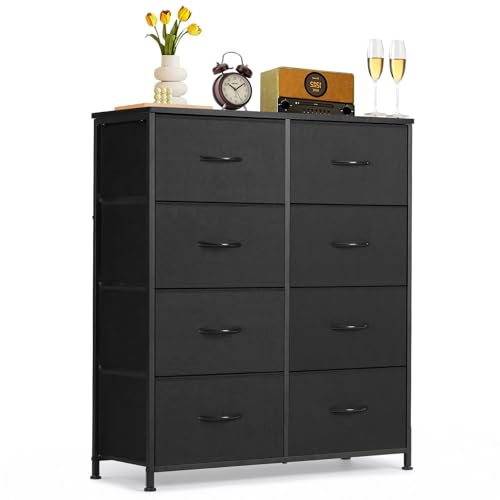
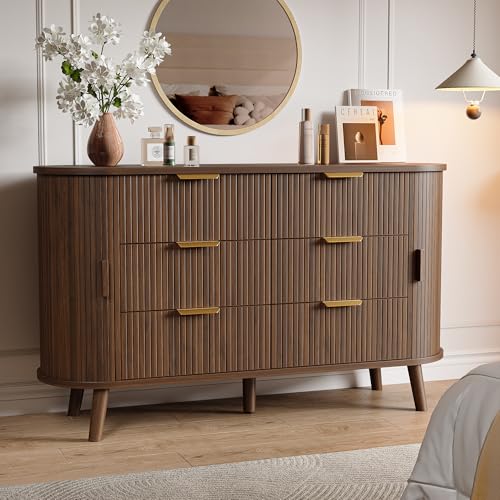
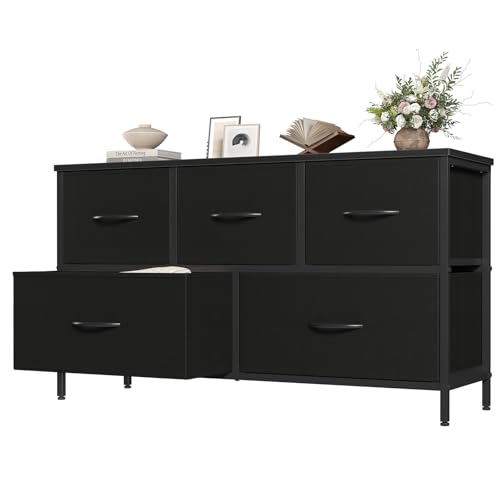
Chest of Drawers for Living Room
A complete, research-backed guide to choosing the right chest of drawers for your living room — covering size, style, materials, placement, safety, and smart storage so you can buy with confidence.
START WITH THE BUYING CRITERIAWhy this guide exists: A chest of drawers in the living room has a different job than one in a bedroom. It must hold entertaining essentials, media accessories, and everyday clutter while still looking like intentional decor. This guide walks you through every decision point — from drawer count to wall anchoring — so the piece you choose fits your room, your habits, and your interior style.
What a Living Room Chest of Drawers Actually Does
A living room chest of drawers is a multi-role storage piece. Unlike a bedroom dresser, which is primarily for clothing, a living room chest typically handles a mix of categories at once. Understanding these roles helps you decide on drawer count, depth, and placement before you start comparing models.
The most common functions include:
- Concealed everyday storage — remotes, chargers, batteries, coasters, and small electronics accessories that otherwise clutter surfaces.
- Textile and soft-goods storage — throw blankets, spare cushion covers, table linens, and seasonal throws kept within easy reach of seating.
- Entertaining and media organization — board games, playing cards, candles, and serving accessories organized by drawer.
- Display and surface support — a lamp, framed photos, a plant, or a decorative tray sit on top, turning storage into a styled surface.
- Media console alternative — a low and wide chest can support a television and hide cable clutter in drawers with rear cutouts.
If you are still weighing whether a chest or a full dresser format suits your room better, the comparison in our buying guides hub breaks down the differences in drawer depth, height, and footprint. For rooms that need maximum concealed capacity, a taller tall chest of drawers may be the better structural choice, while low-and-wide formats suit seating walls.
The Six Buying Criteria That Matter Most
Living room storage pieces are judged on six factors. Work through them in this order — each one narrows your shortlist and prevents a purchase that looks right but functions poorly.
1. Footprint and Proportional Fit
Measure the wall you intend to use, then subtract door swing clearance, window access, and walkway width. A living room chest should leave at least 36 inches of primary walkway and should not block radiator output or window operation. As a rule, the chest should occupy roughly two-thirds of the wall width it sits against — narrower looks undersized, wider crowds the room.
Depth matters as much as width. Living room chests typically sit at 15 to 20 inches deep. Deeper models hold more but intrude into traffic zones, so reserve deep drawers for walls without circulation.
2. Height and Surface Use
Height determines whether the piece reads as a sideboard, a console, or a dresser-height unit. Consider your intended top-surface use:
- 30 to 34 inches — ideal as a media base or sideboard; the top sits below typical window sills and sightlines stay open.
- 35 to 42 inches — comfortable for lamp display and a decorative tray; still below eye level when seated or standing nearby.
- Above 42 inches — reads as a tall chest; use only on solid walls where the vertical mass will not dominate a small room.
3. Drawer Count, Depth, and Glide Quality
Drawer configuration should follow what you store. Shallow drawers suit remotes, stationery, and small accessories. Medium drawers handle folded textiles and games. Deep drawers hold bulky throws and media equipment. A balanced living room chest usually combines one deep lower drawer with two to four medium or shallow drawers above.
Glide quality is the single most important functional spec. Entry-level models often use basic side-mounted rollers; mid-range chests typically upgrade to ball-bearing side glides; premium and luxury tiers use soft-close undermount slides with full extension. If the chest will open several times a day, prioritize smooth full-extension glides — they reduce wear and keep heavy drawers from sagging over time.
4. Material and Finish
Solid wood — oak, walnut, maple, or cherry — delivers the most durable construction and can be refinished in future decades. Engineered wood with quality veneers offers stable, well-specified construction for the mid-range tier, while metal frames and mixed-material chests fit modern and industrial interiors. For a deeper material breakdown, see the options explored in our buying guides and the finish considerations in the broader living room chest overview.
Finish choice should account for light exposure. Painted finishes in light tones visually recede in compact rooms, while natural wood grains anchor larger spaces. Matte lacquer resists fingerprints better than high gloss in high-touch living rooms.
5. Safety and Stability
Any chest with drawers that open outward is a tip-over risk, especially in homes with children or pets. Confirm the model ships with an anti-tip kit, or plan to install one. Anchor the unit into a wall stud, load heavy items in the lowest drawer, and never open multiple loaded drawers at once. Flat-top chests that double as television stands deserve extra scrutiny — the combined center of gravity must remain stable.
6. Cable and Ventilation Management
If the chest will host media equipment, look for rear cable cutouts or plan to drill them. Closed drawers can trap heat from streaming devices, so choose models with ventilated backs or leave a dedicated open shelf if you house active electronics.
Quick Shortlist Rule
Narrow your final three options by confirming: (1) the footprint leaves 36 inches of walkway, (2) glides are full-extension and rated for daily use, (3) an anti-tip kit is included, and (4) drawer depth matches your most-used storage category. If all four pass, the piece will function well regardless of style preference.
Style and Material Options for Living Rooms
Living room storage is visible storage, so style carries more weight than in a bedroom. Match the chest to the room's dominant aesthetic rather than introducing a contrasting style as an isolated piece.
| Style Direction | Material & Finish Cues | Best For |
|---|---|---|
| Modern & contemporary | Lacquer finishes, flat fronts, integrated pulls, metal accents | Clean-lined rooms with low-profile seating and neutral palettes |
| Mid-century inspired | Walnut and teak veneers, tapered legs, angled drawer pulls | Warm-toned interiors with retro or eclectic furniture mixes |
| Farmhouse & transitional | Painted finishes, beadboard or paneled fronts, cup pulls | Family rooms with softened edges and layered textiles |
| Rustic & natural | Solid oak or pine, visible grain, distressed or oiled surfaces | Cabins, coastal homes, and rooms with natural fiber rugs |
| Industrial & mixed media | Metal frames, wood tops, exposed hardware, matte black or steel | Loft-style spaces and rooms with brick or concrete elements |
| Luxury & traditional | Mahogany or cherry solids, carved detailing, brass hardware | Formal living rooms and period-style interiors |
If your room leans toward patterned wood, explore the options in our burl and figured-wood guide. For rooms built around woven textures, the cane-fronted storage guide covers how woven panels combine ventilation with visual softness. Rooms with a period feel may benefit from the detailing discussed in our campaign-style storage overview.
Placement Strategies That Improve the Room
Where the chest sits changes how the room functions. These four placement patterns cover most living room layouts.
Against a Solid Wall
The standard arrangement. Center the chest on the wall segment or align its edge with a window or doorway for a deliberate look. Anchor it, then style the top with a lamp and one framed piece — keep surface clutter under three objects so the storage function stays legible.
As a Media Base
Choose a low and wide model — under 34 inches tall and at least as wide as the screen. Confirm the top is flat, solid, and rated for the screen's weight, and route cables through rear cutouts before placing the television. Our guide to low and wide chests of drawers covers proportion rules for this setup.
Behind or Beside a Sofa
A chest of medium height placed behind a sofa creates a console-and-storage hybrid that also zones an open-plan room. Keep the top height within two inches of the sofa back for a balanced line, and leave at least two inches of clearance to the upholstery.
In an Alcove or Recess
Alcove placement turns awkward niches into useful storage. Measure the recess at three points — top, middle, and bottom — because old walls rarely plumb. Leave a small reveal on each side rather than forcing a friction fit, and use the top for display. Narrow formats work best here; our walk-in closet storage guide explains related fit principles for tight recesses.
Drawer Organization for Living Room Storage
Living room drawers collect small items fast. A simple zone system keeps the chest useful instead of becoming a catch-all.
Top drawer — quick access
Remotes, chargers, batteries, coasters, and small tools. Use drawer dividers so items stay in assigned compartments.
Middle drawers — gaming and media
Board games, cards, controllers, and streaming accessories. Stack flat games vertically against the drawer back to maximize use.
Lower drawer — textiles
Throw blankets, cushion covers, and seasonal linens. Fold in thirds and store upright like files for fast retrieval.
Surface — curated display
One lamp, one tray for keys and mail, one decorative object. Rotate seasonal decor rather than adding more items.
For deeper organization systems — divider types, folding methods, and seasonal rotation — see the dedicated living room chest storage breakdown and the broader room-by-room storage overview. Rooms that blend living and dining functions may also find the dining room chest guide useful for serving storage.
Quality Tiers: How to Read the Market
Living room chests fall into recognizable quality tiers. Use these descriptors to compare models on construction rather than promotional language.
- Entry-level tier — engineered wood panels, basic side roller glides, flat-pack assembly. Adequate for light-duty storage and secondary rooms.
- Mid-range tier — thicker panels or solid wood fronts, ball-bearing glides, factory pre-assembly of drawer boxes. The balanced tier for daily living room use.
- Premium tier — solid hardwood carcasses, soft-close undermount slides, dovetail drawer joinery, and finished backs suitable for open placement.
- Luxury tier — hand-finished hardwoods, custom hardware, and traditional joinery intended as long-term investment pieces that can be serviced and refinished.
Mid-range models usually offer noticeably smoother mechanisms than entry-level builds, while premium tiers add joinery and finish durability that matter in high-traffic rooms. For a structured comparison of construction details, our buying guides library includes tier-by-tier material breakdowns.
Common Mistakes to Avoid
- Buying too tall for the wall. A chest that rises above window sills or crowds artwork makes the room feel compressed.
- Ignoring drawer depth. Uniform shallow drawers cannot hold throws; uniform deep drawers waste space on small items.
- Skipping wall anchoring. Freestanding chests with loaded drawers are a documented tip-over hazard; anchor every unit.
- Overlooking the back panel. If the chest floats in an open plan, an unfinished back will be visible from the reverse side.
- Treating the top as unlimited storage. Surface clutter hides the storage function and makes the room feel busier.
Frequently Asked Questions
What is the ideal height for a chest of drawers in a living room?
A living room chest of drawers typically works best between 30 and 42 inches tall so it functions comfortably as a sideboard or display surface without blocking sightlines or windows.
How many drawers should a living room chest have?
Most living room chests range from three to six drawers. Three to four drawers suit media and console use, while five to six drawers offer more concealed storage for blankets, games, and entertaining essentials.
Can a chest of drawers replace a TV stand in the living room?
Yes, a low and wide chest of drawers can serve as a TV stand provided the top surface is wide enough for the screen base and the drawers allow cable access. Choose a model with a solid top and adequate weight capacity.
What materials are best for a living room chest of drawers?
Solid wood such as oak, walnut, or maple offers the most durable construction and ages well. Engineered wood with quality veneers provides a stable mid-range option, while metal and mixed-material chests suit modern and industrial interiors.
How do I prevent a chest of drawers from tipping over?
Always use the anti-tip kit supplied with the chest, secure it to a wall stud, avoid overloading upper drawers, and keep heavy items in the lower drawers to maintain a stable center of gravity.
Ready to Compare Models?
You now have the criteria that matter: footprint, height, glide quality, material tier, anchoring, and cable management. Use the recommended products below to compare chests of drawers that fit living room use, then verify dimensions against your wall measurements before ordering. For adjacent room storage needs, the walk-in closet chest guide and the dining room chest guide cover specialized layouts.