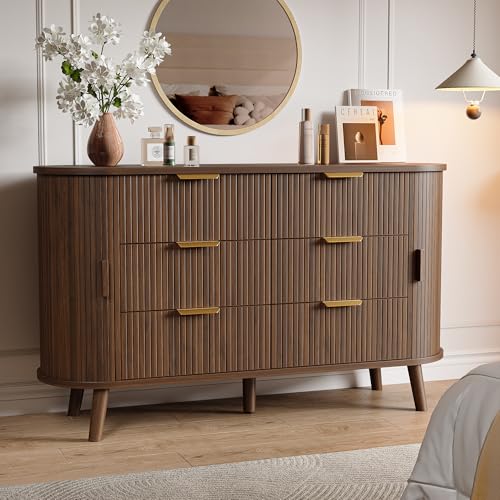
Chest of Drawers for Dining Room: Complete Buying Guide
Turn your dining space into a beautifully organized, guest-ready room. Learn how a dining room chest of drawers delivers hidden storage, serving convenience, and timeless style — without sacrificing floor space.
Explore Buying FactorsWhy a dining room chest of drawers deserves your attention: Most dining rooms are short on closed storage. Table linens, serving platters, napkins, and seasonal tableware pile up in kitchen cabinets or overflow into the hallway. A well-chosen chest of drawers solves this by combining a flat serving surface with deep, dust-free compartments — all in a footprint no wider than a sideboard.
What Is a Chest of Drawers for a Dining Room?
A chest of drawers for the dining room is a freestanding storage cabinet composed of stacked horizontal drawers, designed to sit against a wall in or near your dining area. Unlike a bedroom dresser — which is typically taller and narrower — a dining room chest emphasizes a broad, stable top surface that doubles as a serving station, display shelf, or cocktail prep area.
The concept borrows from the traditional chest of drawers for living room arrangement, where the piece acts as both furniture and functional surface. In a dining context, the chest usually measures 30 to 36 inches in height, sits 42 to 60 inches wide, and offers four to six drawers of varying depth. The top drawer often holds cutlery and napkins, while deeper lower drawers accommodate folded tablecloths, chargers, and serving bowls.
Many buyers confuse this piece with a low and wide chest of drawers, and the comparison is fair — both prioritize horizontal storage. The difference is intent: a dining room chest is chosen for its proximity to the table, its easy-clean top, and its ability to blend with dining chairs and host furniture. If you are also furnishing a walk-in pantry or linen closet, the same principles from our walk-in closet chest guide apply to drawer depth and labeling.
Key Benefits of a Dining Room Chest of Drawers
Before comparing models, it helps to understand exactly what this piece contributes to a dining space. The benefits fall into three practical categories.
1. Concealed Storage Close to the Table
The single biggest advantage is proximity. Instead of walking to the kitchen for extra napkins or a gravy boat, everything sits within arm's reach of the dining table. Drawers keep dust off linens and protect delicate serving pieces from accidental knocks. For households that entertain often, this convenience alone justifies the furniture slot.
2. A Second Serving Surface
The top of a dining room chest functions as a buffet during meals and a display surface the rest of the time. A sturdy top rated for at least 50 pounds can hold chafing dishes, a dessert spread, or a beverage station. This is especially valuable in apartments and open-plan homes where a full sideboard would crowd the walking path.
3. Style Anchor for the Room
A chest of drawers gives the dining room a visual anchor that a bare wall cannot. Wood tones, painted finishes, and hardware all contribute to the room's character. If your dining space leans modern, a charcoal grey chest of drawers reads as contemporary and hides smudges well. For warmer, traditional rooms, a cherry chest of drawers adds depth and a classic patina.
Chest of Drawers vs. Sideboard vs. Buffet
These three terms are often used interchangeably, but they describe different furniture forms. Choosing the right one depends on how much closed storage you need versus open display space.
| Feature | Chest of Drawers | Sideboard | Buffet |
|---|---|---|---|
| Primary Storage | All drawers, fully closed | Mix of drawers and cabinet doors | Cabinet doors with shelves, some drawers |
| Best For | Linens, cutlery, small serving ware | Dishware, glassware, mixed storage | Large platters, stacked plates, wine storage |
| Typical Height | 30–36 inches | 30–38 inches | 32–40 inches |
| Footprint | Compact to medium | Medium to wide | Wide |
| Dust Protection | Excellent — all closed | Good — doors plus drawers | Good for cabinet sections |
In small dining rooms, a chest of drawers is usually the smarter pick because it delivers maximum closed storage per inch of wall space. If you need to display china or barware, a sideboard's open section may serve you better. For a deeper comparison of storage forms across rooms, our chest of drawers for the living room guide covers the same trade-offs in a lounging context.
Quick Rule of Thumb
If more than 70 percent of what you store is folded, small, or delicate — choose a chest of drawers. If you need to display glassware or stack dinner plates upright — choose a sideboard or buffet.
Size and Placement Guide for Dining Rooms
Getting the dimensions right is the difference between a piece that feels integrated and one that blocks traffic. Measure your wall, your walking path, and your table clearance before you shop.
Height
Aim for 30 to 36 inches. This height lets most adults serve food comfortably without bending, and it aligns visually with the average dining table surface (around 30 inches). Taller chests, such as a tall chest of drawers, can work in a dining room but tend to dominate narrow walls and are harder to use as a serving surface.
Width
A dining room chest typically runs 42 to 60 inches wide. As a rule, leave at least 36 inches of clearance between the chest and the dining table so chairs can pull out without collision. If your wall is short, a set of two chests of drawers placed side by side can create a custom-width run with a deliberate gap in the middle.
Depth
Standard depth is 16 to 20 inches. Deeper drawers hold platters and stackable bowls; shallower drawers suit cutlery and napkins. If your dining room doubles as a hallway, favor 16-inch depth to preserve walking space.
Placement Checklist
- Place the chest on the wall opposite or adjacent to the dining table — never directly behind seated guests.
- Keep a minimum 36-inch walkway between the chest face and any other furniture.
- Avoid placing the chest under a low window if you plan to use the top as a serving station.
- Anchor the chest to the wall if it is taller than 36 inches or if children use the room.
- Leave 2 inches of breathing room on each side so drawers can open fully.
Materials and Construction Tiers
Dining room furniture takes more daily punishment than bedroom furniture: plates get stacked on top, drawers open and close during meals, and spills happen. Construction quality matters more here than in almost any other room.
| Tier | Typical Construction | Best For | Durability Notes |
|---|---|---|---|
| Entry-Level | Engineered wood with paper or thin veneer, stapled joints | Guest rooms, occasional-use dining areas | Light duty; avoid heavy platters on top |
| Mid-Range | Engineered core with quality wood veneer, doweled and screwed joints | Everyday family dining rooms | Good stability; check drawer slide rating |
| Premium | Solid wood frame with veneered panels, dovetail drawer boxes | Frequent entertaining, long-term use | Excellent; refinishable surfaces |
| Luxury | Solid hardwood throughout, hand-finished, full dovetail joinery | Formal dining rooms, heirloom pieces | Exceptional; serviceable for decades |
Solid wood choices such as oak, walnut, cherry, and maple are the most durable for dining use. Oak resists dents, walnut offers a rich grain, and cherry develops a deeper tone over time. If you prefer a painted look, a black and wood chest of drawers pairs a durable painted carcass with a natural top that hides scratches. For a softer, coastal aesthetic, a cane dresser adds texture but requires gentler handling around the top surface.
Pay attention to the back panel and drawer bottoms. A thin hardboard back is acceptable for entry-level pieces, but a dining room chest used for heavy serveware benefits from a reinforced back panel and drawer bottoms at least 1/4 inch thick. The same construction standard appears in our large drawer chest guide, which is worth reading if you plan to store platters.
Drawer Configuration and Slide Quality
How the drawers are arranged determines how usable the chest will be during a meal. A four-drawer chest with two shallow top drawers and two deep bottom drawers is the most versatile layout for dining rooms.
Recommended Layouts
- 4-drawer layout: Two shallow drawers for cutlery and napkins, two deep drawers for tablecloths and serving bowls. Best all-around choice for most dining rooms.
- 5-drawer layout: Adds a middle drawer for placemats or chargers. Useful for households that entertain weekly.
- 6-drawer layout: Two columns of three drawers. Offers the most sorting flexibility but requires a wider cabinet.
- 3-drawer layout: Best for narrow walls and compact dining nooks; each drawer must be deeper to compensate.
Slide Mechanisms
Drawer slides are the most common failure point on dining room chests because drawers are opened frequently and often loaded with heavy items. Look for these specifications:
- Side-mounted roller slides: Common on entry-level pieces. Acceptable for light loads but prone to wobble over time.
- Ball-bearing side slides: Standard on mid-range chests. Smooth operation and better weight tolerance.
- Undermount soft-close slides: Premium and luxury tiers. Concealed mechanism, quiet closing, and usually rated for heavier loads.
- Full-extension slides: Allow the drawer to open completely, so you can reach the back. Essential if you store long tablecloths or platters.
If you are refurbishing an older piece rather than buying new, upgrading to heavy-duty cabinet drawer slides is one of the highest-impact improvements you can make for dining room use.
Organization and Styling Tips
A dining room chest of drawers works best when every drawer has a defined purpose. Use the following system as a starting point, then adjust to your household's habits.
Drawer Assignment by Function
| Drawer | Recommended Contents | Organizer Type |
|---|---|---|
| Top left (shallow) | Cutlery, serving utensils | Tray insert with compartments |
| Top right (shallow) | Napkins, place cards, candles | Small dividers or a shallow tray |
| Middle drawer | Placemats, chargers, coasters | Stackable open bins |
| Bottom left (deep) | Folded tablecloths, runners | Acid-free tissue between layers |
| Bottom right (deep) | Serving bowls, gravy boats, seasonal ware | Felt dividers or padded bins |
Protecting Linens and Surfaces
Table linens stored in direct contact with unfinished wood can pick up tannin stains over time. Use bureau drawer liners in every drawer that holds fabric. For the top surface, a felt pad under serving dishes prevents scratches during meal service. If the chest sits near a window, rotate linens seasonally to avoid sun-fading on one side.
Styling the Top Surface
- Keep at least 60 percent of the top clear for serving during meals.
- Use a tray to corral candles, a small vase, and salt and pepper cellars.
- Lean a framed print or mirror against the wall rather than hanging it directly above — it creates depth without blocking the drawer line.
- Avoid tall centerpieces that block conversation across the table.
If your dining room also serves as a home office or homework station, consider a cabinet with drawers and doors instead — the door section hides laptops and papers during dinner parties.
Final Buying Checklist
Before you commit to a model, run through this checklist. It reflects what experienced buyers look for after living with a dining room chest for a year or more.
- Height matches your serving style: 30–36 inches for buffet use; shorter if it sits under a window.
- Width leaves 36 inches of clearance between the chest and the dining table or chairs.
- Drawer slides rated for daily use: ball-bearing or undermount soft-close, preferably full-extension.
- Drawer bottoms at least 1/4 inch thick if you store platters or stacked bowls.
- Stable footprint: feet or base that sits flat, with an anti-tip kit included or available.
- Finish is easy to wipe: lacquer, polyurethane, or painted surfaces outperform wax-only finishes in dining rooms.
- Hardware is comfortable to grip: pulls should clear your knuckles when the drawer is fully open.
- Style aligns with the dining table: wood tone and hardware finish should echo the chairs or table legs.
For a broader furniture-selection framework that applies across categories, our buying guides hub covers sizing, materials, and joinery in more detail. If you are replacing a kitchen-side unit instead of a dining room piece, the criteria in our dining room chest guide overlap with kitchen drawer storage — depth and slide quality remain the deciding factors.
Ready to Shortlist Your Dining Room Chest?
Browse recommended models by tier, drawer count, and material — all curated for dining room use.
View Recommended OptionsFrequently Asked Questions
What is a chest of drawers used for in a dining room?
A dining room chest of drawers stores table linens, cutlery, serving dishes, placemats, napkins, and seasonal tableware in closed drawers. Its flat top also functions as a serving surface during meals, making it a compact alternative to a sideboard or buffet.
How tall should a chest of drawers be for a dining room?
The ideal height is 30 to 36 inches. This range aligns with standard dining table height and lets most adults serve food comfortably. Taller chests work on narrow walls but are less practical as serving surfaces.
What material is best for a dining room chest of drawers?
Solid wood — oak, walnut, cherry, or maple — is the most durable choice for daily dining room use. Engineered wood with a quality veneer is a practical mid-range alternative, while metal and glass suit modern dining spaces.
Can a chest of drawers replace a sideboard or buffet?
Yes. A wide chest of drawers with a flat top and sturdy drawer slides can replace a sideboard in smaller dining rooms. Choose a model around 30 to 36 inches tall so the top serves comfortably, and confirm the drawer bottoms can handle stacked plates and platters.
How do I keep table linens fresh inside a dining room chest?
Line the drawers with acid-free or cotton bureau drawer liners, fold linens loosely with tissue between layers, and avoid storing them directly against unfinished wood. Rotate seasonal linens every few months and keep the drawers dry.