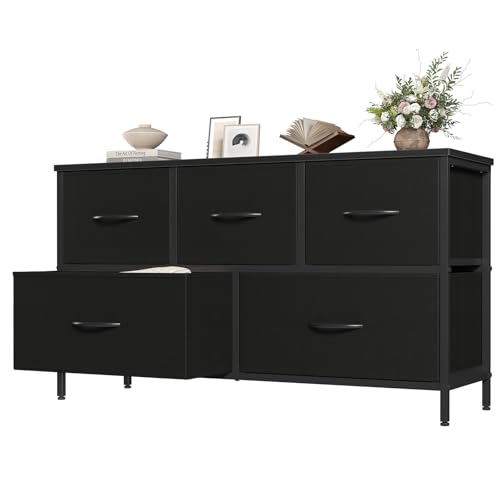
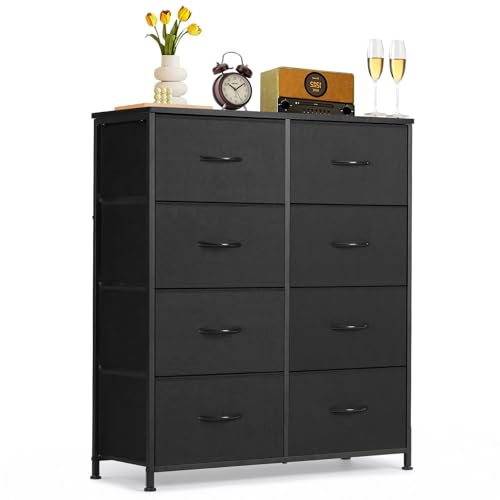
Chest of Drawers for the Living Room: The Complete Guide
Turn an overlooked corner into your home's hardest-working storage zone. Learn how to choose, place, and organize a living room chest of drawers that looks intentional and works beautifully.
EXPLORE TOP PICKSWhy a chest of drawers belongs in the living room: Most homes treat the living room as a purely social space, yet it quietly accumulates remotes, chargers, games, blankets, and paperwork. A well-chosen chest of drawers absorbs that clutter while doubling as a console, TV stand, or display surface. This guide walks you through sizing, style matching, placement, and organization so you can buy with confidence and use the piece for years.
What a Living Room Chest of Drawers Actually Solves
A living room chest of drawers is a storage-first furniture piece designed for shared spaces rather than bedrooms. Unlike bedroom dressers, which prioritize clothing depth and mirror compatibility, living room chests favor shallow-to-medium drawers for media, accessories, and everyday items. The result is a piece that hides visual clutter while keeping frequently used objects within arm's reach of the sofa.
The practical benefits are straightforward. First, closed storage reduces visual noise in a room where you relax and entertain. Second, a flat top provides a landing zone for a lamp, plant, or television. Third, a chest can anchor a wall that would otherwise feel empty, especially in open-plan layouts. If you are still comparing furniture categories, our overview of chest of drawers for the living room pairs well with this deeper guide.
Chest of Drawers vs. Other Living Room Storage
Understanding how a chest compares to nearby categories helps you avoid a mismatched purchase. A low and wide chest of drawers is usually the best fit beneath a window or along a sofa wall, while a taller model suits narrow gaps beside a fireplace. Console tables offer display space but no concealed storage; media cabinets are built around electronics; and cabinets with drawers and doors combine open shelving with closed compartments. Choose based on what you need to hide versus what you want to show.
How to Choose the Right Size and Proportion
Size is the single most common mistake in living room storage. A chest that is too tall can dominate a seating area; one that is too narrow leaves awkward gaps. Start by measuring the wall or floor area you intend to fill, then subtract at least 4 to 6 inches on each side so the piece does not feel wedged in. Leave clearance for doors, curtains, and walkways.
Recommended dimensions by room type
- Small living rooms and apartments: 30 to 40 inches wide, 28 to 32 inches tall. A set of two chests can flank a sofa or fill a wall with balanced storage.
- Standard living rooms: 40 to 56 inches wide, 30 to 36 inches tall. This range works as a console behind a sofa or as a media base.
- Large or open-plan rooms: 56 to 72 inches wide, up to 38 inches tall. Pair with artwork or a mirror above to balance the visual weight.
Proportion matters as much as raw dimensions. In a room with low ceilings, favor a wider, lower chest to keep sightlines open. In a tall room, a slightly taller chest with a lamp or plant on top adds vertical interest. If your layout is tight, review our notes on chest of drawers for walk-in closet transitions and closet-adjacent storage for overflow solutions.
Drawer Configuration: What to Look For
Living room storage is not the same as clothing storage. You will likely store remotes, batteries, chargers, game controllers, throws, magazines, and seasonal accessories. That mix calls for a specific drawer layout:
- Top drawer: shallow, 4 to 6 inches deep, ideal for small electronics and daily-use items.
- Middle drawers: medium depth, 6 to 8 inches, for games, books, and accessories.
- Bottom drawers: deeper, 8 to 10 inches, for blankets, pillows, and bulky items.
Drawer slides deserve attention. Entry-level models often use basic metal runners, while mid-range chests typically add smooth ball-bearing slides with soft-close action. Premium and luxury tiers may include full-extension slides and dovetail joinery. If the chest will hold heavy media equipment, look for heavy-duty cabinet drawer slides and a reinforced top panel.
Quick drawer checklist
- Open and close every drawer in the showroom or read verified buyer feedback about slide smoothness.
- Check for drawer stops so drawers cannot pull all the way out accidentally.
- Confirm the interior height of the top drawer before planning remote or charger storage.
- Look for dust-proof or felt-lined drawers if you plan to store delicate items.
Styles That Work in a Living Room
Style is where a chest of drawers can either elevate a room or look out of place. Match the piece to the dominant language of your living space rather than to trends.
Mid-Century Modern and Contemporary
Clean lines, tapered legs, and warm wood tones suit mid-century and contemporary rooms. A cane dresser adds texture without heaviness, while mid-century modern cabinet pulls complete the look. These styles pair well with neutral sofas and open shelving.
Farmhouse, Rustic, and Transitional
Textured wood, painted finishes, and simple hardware define farmhouse and rustic chests. A carved wood dresser or a campaign-style dresser can bridge traditional and modern rooms. For a softer transitional feel, consider a burl wood dresser with its distinctive grain pattern.
Statement and Specialty Finishes
If your living room leans bold, a charcoal dresser or a caramel dresser can serve as the room's visual anchor. Metallic or painted finishes should be chosen to echo existing accents, such as lamp bases or curtain hardware, so the piece feels integrated rather than added on.
Placement Strategies That Preserve Flow
Placement determines whether a chest feels like furniture or an obstacle. The best position depends on your room's traffic pattern:
- Behind the sofa: a low, wide chest creates a console-like surface and separates seating from a dining or entry zone.
- Beneath a window: a chest no taller than the sill keeps natural light unobstructed and adds storage underused wall space.
- Beside a fireplace: a tall, narrow chest can hold media and accessories without crowding the hearth.
- Floating wall: a chest against a blank wall becomes a focal point when paired with art or a mirror above.
Always leave at least 30 inches of walkway in front of the drawers so they can open fully. In open-plan homes, use the chest to define zones without building walls. For more layout ideas, browse our buying guides section.
Materials, Durability, and Safety
Living room furniture takes more daily abuse than bedroom furniture: cups get set down, toys get shoved into drawers, and the top surface becomes a catch-all. Material choice should reflect that reality.
Material tiers explained
| Tier | Typical construction | Best for |
|---|---|---|
| Entry-level | Engineered wood with laminate or veneer, basic metal slides | Guest spaces, rentals, light-duty storage |
| Mid-range | Solid wood frames with veneer panels, ball-bearing soft-close slides | Primary living rooms, family use, media storage |
| Premium | Solid hardwood construction, dovetail drawers, full-extension slides | High-traffic homes, long-term investment pieces |
| Luxury | Hardwood with hand-finished details, premium hardware, custom sizing | Design-led interiors, statement furniture |
Solid wood generally resists wear better than thin veneers, but a well-made veneer chest can be durable when the substrate is stable. Whatever the tier, check that the finish is water-resistant if the top will hold drinks or plants. Our guide to solid wood chest of drawers explains construction details in depth.
Safety first
Anchor every chest of drawers to the wall, especially in homes with children or pets. Use the anti-tip kit supplied by the manufacturer, avoid overloading upper drawers, and keep heavy items in the bottom drawers. If you are buying secondhand, inspect the drawer stops and replace missing hardware before use.
Organizing a Living Room Chest of Drawers
An organized chest saves time and keeps the piece looking intentional. A simple zone system works well:
- Daily zone (top drawer): remotes, chargers, batteries, reading glasses, coasters.
- Activity zone (middle drawers): board games, playing cards, craft supplies, small electronics.
- Comfort zone (bottom drawers): throws, blankets, extra pillows, seasonal accessories.
Use drawer dividers to keep categories separate and labeled bins for items that tend to scatter. Avoid storing liquids upright in drawers unless they are sealed; a spill inside a wooden drawer is difficult to reverse. If your chest doubles as a media base, route cables through a pre-drilled back panel or use a cable management clip on the rear edge.
Common Mistakes to Avoid
- Buying too tall: a chest that rises above the sofa back can make a small room feel cramped.
- Ignoring drawer depth: shallow drawers cannot hold blankets, while overly deep top drawers waste space for small items.
- Skipping the anchor: unanchored chests are a tip-over risk, especially in homes with young children.
- Overfilling drawers: forcing drawers shut strains slides and shortens the piece's lifespan.
- Mismatched style: a highly ornate chest can clash with a minimalist room; aim for cohesion with existing furniture.
Frequently Asked Questions
What is the best size chest of drawers for a living room?
A low and wide chest of drawers measuring roughly 36 to 48 inches wide and 30 to 34 inches tall works best for most living rooms. It provides generous storage without blocking sightlines or overwhelming the seating arrangement. For compact spaces, a narrow chest or a set of two smaller chests can preserve floor space while adding function.
Can a chest of drawers replace a TV stand in the living room?
Yes. A sturdy chest of drawers with a flat, level top can serve as a TV stand as long as the chest is rated for the television weight and the top is wide enough for a stable base. Choose a model with a reinforced top and secure drawer slides, and anchor the chest to the wall for safety.
How do I organize a living room chest of drawers?
Dedicate the top drawer to small, frequently used items such as remotes, chargers, and reading glasses. Use the middle drawers for media, games, and seasonal accessories, and reserve the bottom drawers for bulky items like throws and blankets. Drawer dividers and labeled bins keep categories separate and make retrieval quick.
Which style of chest of drawers suits a living room best?
The ideal style depends on your existing decor. Mid-century modern and campaign-style chests suit contemporary and eclectic rooms, while farmhouse and rustic wood chests complement casual, textured interiors. A burl wood or cane front chest works well in transitional and layered spaces. Matching hardware and finish to nearby furniture keeps the room cohesive.
Is a chest of drawers safe in a living room with children?
A chest of drawers is safe when it is anchored to the wall with an anti-tip strap or bracket. Avoid placing heavy items on the top drawer, use drawer stops to prevent full extension, and choose models with interlocking drawers. Always follow the manufacturer's anchoring instructions.