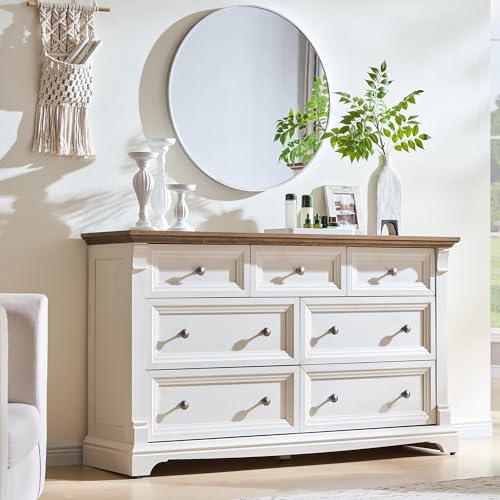
Antique Art Deco Dressers: Timeless Elegance for Your Bedroom
Discover the glamour of the 1920s and 1930s through antique Art Deco dressers. Learn how to identify authentic pieces, evaluate craftsmanship, choose the right proportions, and care for these geometric masterpieces that continue to define sophisticated interiors.
Explore the Buying GuideThe Design Language of Art Deco Dressers
Art Deco emerged in France before World War I and reached its peak between the two World Wars, celebrated at the 1925 Exposition Internationale des Arts Décoratifs et Industriels Modernes in Paris. Unlike the flowing curves of Art Nouveau that preceded it, Art Deco embraced clean lines, symmetry, and geometric motifs — chevrons, sunbursts, stepped forms, and stylized floral inlays. When applied to bedroom storage, these principles produced dressers that feel architectural: flat planes of figured wood, linear drawer fronts, and hardware that reads as jewelry.
The most recognizable antique Art Deco dressers share several hallmarks. Look for stepped or waterfall fronts, where drawer faces cascade in a subtle terraced profile. Book-matched veneers — where two mirror-image slices of wood are joined to create a symmetrical pattern — are a signature of high-quality period pieces. Exotic woods such as walnut, mahogany, rosewood, and zebrawood were favored, often contrasted with ivory, bone, or mother-of-pearl inlay. Metal accents in chrome, nickel, or brass appear as banding, handles, or slender legs. If you admire the broader Deco aesthetic, our guide to antique armoires and antique wardrobes shows how these motifs translate across bedroom furniture.
Geometric Forms
Stepped fronts, chevron veneers, and architectural silhouettes define the Deco dresser's profile.
Luxurious Materials
Figured walnut, rosewood, and mahogany veneers paired with chrome, brass, or mirrored trim.
Jewelry-Like Hardware
Streamlined pulls, bakelite knobs, and metal banding that read as decorative accents.
Refined Proportions
Low, horizontal chests with slender legs that feel airy compared with Victorian bulk.
Authentic Period Pieces vs. Reproduction Dressers
The market for Art Deco-style dressers includes genuine antiques, later mid-century revivals, and modern reproductions. Knowing which category you are considering matters for both enjoyment and long-term care. A true period piece typically dates from the 1920s or 1930s and shows the hand of its era: hand-cut veneers, solid secondary woods such as oak or poplar in drawer interiors, and joinery like dovetails that reflect pre-war cabinetmaking. Reproduction dressers may borrow the look — mirrored fronts, gold accents, or lacquered finishes — while using modern engineered materials and machine-cut joints.
Neither category is inherently better; they simply suit different expectations. Collectors prioritizing historical authenticity will focus on original hardware, patina, and maker's marks. Buyers who want the Deco look in a modern bedroom often prefer a well-made reproduction that fits contemporary dimensions and safety standards. If your taste leans toward the mirrored and lacquered end of the spectrum, explore our pages on mirrored dressers and lacquered dressers to compare finishes. For a broader look at period storage, the antique Art Deco dressers collection overview is a helpful starting point.
| Tier | Category | Best For |
|---|---|---|
| Entry-Level | Deco-inspired reproduction | Buyers who want the look with modern construction and straightforward care |
| Mid-Range | Quality revival / later vintage | Those seeking solid materials and period styling without museum-grade rarity |
| Premium | Authentic period piece | Collectors and design enthusiasts who value original veneers and hardware |
| Luxury | Rare signed or museum-quality Deco | Serious collectors seeking documented provenance and exceptional craftsmanship |
How to Choose an Antique Art Deco Dresser
Buying an antique or vintage-inspired dresser rewards preparation. Start with measurements: Deco dressers are often wider and lower than modern chests, so confirm the footprint against your wall space, doorways, and walking clearance. A 48-inch wide chest of drawers suits many primary bedrooms, while compact rooms may call for a 36-inch wide chest of drawers or a 30-inch wide chest of drawers. If you are layering pieces, a chest of drawers for bedroom guide can help you balance storage with circulation.
Next, inspect construction. Open every drawer and check the runners — wooden slides are common in genuine antiques, while later pieces may use metal slides. Look for dovetail joinery at drawer corners, a sign of durable cabinetmaking. Examine veneers for lifting, bubbling, or repairs, and check whether hardware is original or replaced. Patina is expected on authentic pieces, but structural integrity should not be compromised. For those who need generous capacity, a 8 drawer chest of drawers or a large dresser with lots of drawers offers more storage within the Deco aesthetic.
- Measure twice: Confirm width, depth, and height against your room and doorways before committing.
- Test the drawers: They should glide smoothly without excessive wobble or sticking.
- Inspect veneers: Look for lifting edges, bubbles, and mismatched repairs.
- Check joinery: Dovetails and solid secondary woods indicate quality construction.
- Verify hardware: Original pulls add authenticity; replacements are fine if disclosed.
- Assess stability: Slender Deco legs should be sound; wobble may signal loose joints.
- Ask about provenance: Maker's marks, labels, or family history add confidence.
Materials, Finishes, and Hardware to Look For
The material palette is central to the Art Deco identity. Figured walnut and mahogany veneers provide warmth and movement, while rosewood and zebrawood deliver dramatic contrast. Some pieces incorporate mirrored panels, glass tops, or chrome banding that catch light and amplify the geometric lines. Finishes range from hand-rubbed oil and wax to high-gloss lacquer; each requires a different care routine. If your taste runs toward darker woods and metal accents, our guides to espresso dressers and dressers with black hardware offer complementary inspiration.
Hardware deserves special attention. Bakelite knobs, streamlined brass pulls, and nickel banding are period signatures. When hardware has been replaced, evaluate whether the substitution respects the original design. For a broader survey of drawer furniture styles, browse the chest of drawers hub. If you are pairing your dresser with matching bedside storage, a dresser and nightstand combo can unify the room. Those furnishing a full suite may also appreciate a bedroom set with dresser with mirror for a cohesive Deco-inspired look.
A Note on Proportions and Placement
Art Deco dressers often sit lower than contemporary chests, which makes them excellent anchors beneath windows or large mirrors. Leave at least 30 inches of clearance in front of drawers for comfortable use, and secure tall or narrow pieces to the wall where appropriate. If your room is tight, a brown tall narrow chest of drawers can deliver Deco character without a wide footprint.
Caring for an Antique Art Deco Dresser
Antique furniture responds well to consistency. Keep your dresser away from direct sunlight, which can fade veneers and dry out finishes. Maintain indoor humidity within a stable range to reduce seasonal movement in wood. Dust with a soft, dry cloth, and avoid silicone-based polishes that can build up on older finishes. For veneered surfaces, use a minimally damp cloth followed immediately by a dry one — never leave standing moisture. If the finish is waxed, a thin coat of high-quality furniture wax once or twice a year preserves the sheen.
Address loose joints and sticking drawers promptly rather than forcing them, which can crack veneers. For significant restoration — re-veneering, refinishing, or structural repair — consult a professional conservator, especially for signed or rare pieces. If your collection extends to other period storage, our guides to antique armoires and antique wardrobes share compatible care principles. For a modern alternative with Deco-inspired lines, consider engineered wood dressers that offer easier maintenance while retaining a streamlined silhouette.
Styling an Art Deco Dresser in a Modern Bedroom
Art Deco pieces are natural focal points, so let them lead. A low, wide dresser works beautifully beneath a large mirror or a piece of graphic wall art. Keep tabletop styling restrained: a sculptural lamp, a small tray, and one or two personal objects are often enough to echo the period's glamour without clutter. Metallic accents — brass, chrome, or nickel — harmonize with Deco hardware and reflect light. If you prefer a darker, moodier palette, pair a walnut or mahogany dresser with a black dresser with mirror aesthetic or lean into contrast with a brown dresser with mirror.
For a cohesive bedroom, coordinate the dresser with complementary storage such as a chest for closet or a chest of drawers for walk-in closet. A dresser and nightstands set can deliver a unified look, while a bedroom set with vanity dresser suits those who want the full Deco-inspired suite. Whatever the combination, prioritize proportion and finish harmony over matching every piece exactly.
Frequently Asked Questions
What defines an antique Art Deco dresser?
Antique Art Deco dressers date roughly from the 1920s to the late 1930s and are characterized by geometric forms, book-matched veneers, exotic woods, and luxurious hardware or metal accents. Original pieces often show hand-cut joinery and period-appropriate patina.
How can I tell an authentic period piece from a reproduction?
Inspect drawer joinery, veneer quality, hardware, and secondary woods. Authentic pieces typically use dovetail joints and solid secondary woods, while reproductions may use machine-cut joints and engineered materials. Provenance, maker's marks, and consistent wear patterns also help.
Are Art Deco dressers suitable for everyday use?
Yes, with care. Many period dressers remain fully functional, though drawer slides may need servicing. Avoid overloading drawers and keep the piece away from direct sunlight and moisture to protect veneers and finishes.
What size Art Deco dresser works best in a small bedroom?
Compact rooms often suit narrower chests such as a 30-inch or 36-inch wide piece. Measure clearance in front of drawers and confirm the dresser height relative to windows and mirrors before purchasing.
Should I refinish an antique Art Deco dresser?
Refinishing can reduce historical value on rare or signed pieces. For everyday antiques, a professional conservator can advise whether cleaning and waxing are sufficient or whether structural repair is needed.
Continue Your Research
Explore complementary guides on antique armoires, antique wardrobes, and dressers to build a cohesive bedroom plan. If you are comparing storage types, the chest of drawers hub and the dresser and nightstand combo guide offer practical next steps.