Antique Armoire: A Complete Guide to Timeless Storage
Discover the craftsmanship, character, and enduring appeal of antique armoires. Learn how to identify quality pieces, evaluate wood types, and choose the right armoire for your home.
Start the GuideWhy an antique armoire? Unlike modern flat-pack furniture, an antique armoire carries history in its grain. Each piece reflects the techniques, materials, and design sensibilities of its era. Whether you are furnishing a period home or adding a statement piece to a contemporary bedroom, understanding what makes an antique armoire special helps you make a confident, informed decision.
What Exactly Is an Antique Armoire?
An armoire is a tall, freestanding cabinet traditionally used for storing clothing, linens, and household items. The term comes from the French armoire, which originally referred to a chest for weapons and armor. Over centuries, the armoire evolved into a refined piece of furniture found in bedrooms, hallways, and living spaces across Europe and North America.
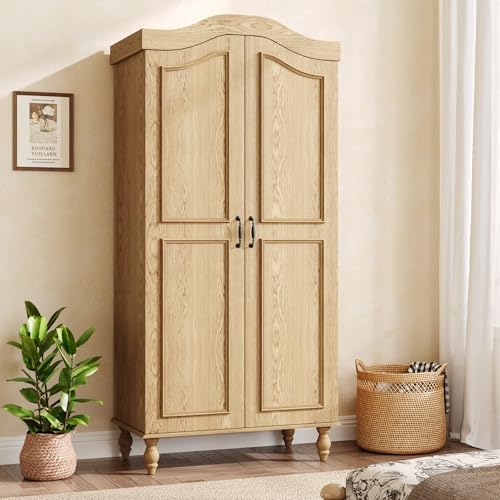
An antique armoire typically features two large doors that open to reveal hanging space, shelves, or a combination of both. Some designs include drawers at the base, interior mirrors, or adjustable shelving. The piece is distinct from a antique wardrobe, which usually emphasizes hanging space over shelving, and from a standard chest of drawers, which offers only drawer-based storage.
What sets an antique apart is age and provenance. While definitions vary, most dealers consider a piece antique if it is at least 100 years old. However, the term is also used more loosely for vintage armoires that exhibit traditional craftsmanship and classic design.
Key Styles of Antique Armoires
Antique armoires come in a remarkable range of styles, each reflecting the region and period in which they were made. Understanding these styles helps you identify what you are looking at and choose a piece that suits your home.
French Provincial
Characterized by soft curves, carved details, and a graceful silhouette. French provincial armoires often feature raised panel doors, decorative moldings, and a warm, hand-rubbed finish. They pair beautifully with both traditional and cottage-style interiors.
Louis Philippe
A simpler, more restrained French style with clean lines, subtle curves, and minimal ornamentation. Louis Philippe armoires are elegant without being ornate, making them versatile for modern and transitional spaces.
Victorian
Victorian armoires are known for their elaborate carvings, heavy proportions, and rich wood tones. They often feature arched tops, carved corbels, and detailed hardware. These pieces make a bold statement in larger rooms.
Rustic & Country
Rustic armoires emphasize natural wood grain, hand-hewn textures, and simple construction. They are often made from pine or oak and feature straightforward panel doors. These pieces bring warmth and authenticity to farmhouse and cabin interiors.
Art Deco
Art Deco armoires feature geometric lines, contrasting materials, and a streamlined silhouette. They often incorporate exotic woods, mirrored panels, or metal accents. These pieces appeal to collectors and lovers of bold, architectural design.
Arts & Crafts
Rooted in the late 19th-century movement, Arts & Crafts armoires celebrate honest construction, visible joinery, and natural materials. They are typically made from oak and feature clean, rectilinear forms with minimal decoration.
Wood Types and Construction Details
The wood used in an antique armoire has a significant impact on its durability, appearance, and long-term care requirements. Here are the most common woods you will encounter:
- Oak: A dense, durable hardwood with a prominent grain. Oak armoires are heavy, sturdy, and often feature hand-carved details. They age gracefully and develop a rich patina over time. Explore oak storage pieces for related craftsmanship.
- Walnut: Prized for its deep, warm color and fine grain. Walnut was a favorite in French and Italian armoires. It is slightly softer than oak but takes carving beautifully.
- Mahogany: A dense, reddish-brown wood associated with high-end furniture. Mahogany armoires often feature fine veneers and polished surfaces.
- Pine: A softer wood commonly used in rustic and country armoires. Pine develops a warm, honeyed tone over time but is more susceptible to dents and scratches. See pine chests for a sense of this material's character.
- Cherry: A fine-grained hardwood that darkens with age. Cherry armoires are elegant and often associated with American colonial and Federal styles.
Construction quality matters as much as the wood itself. Look for dovetail joints on drawers, mortise-and-tenon joinery on the frame, and solid wood panels rather than thin veneers over particle board. Hand-cut dovetails and visible joinery are hallmarks of pre-industrial craftsmanship and signal a piece that was built to last.
Hardware is another clue. Hand-forged iron hinges, brass pulls, and keyhole escutcheons often indicate an older piece. Replacement hardware is common, so check for matching patina and consistent wear patterns.
How to Evaluate an Antique Armoire Before You Buy
Buying an antique armoire is different from buying new furniture. You are assessing a piece with a history, and that history may include repairs, restorations, or wear that affects both value and usability. Here is a practical framework for evaluation.
1. Assess the Condition Honestly
Some wear is expected and even desirable in an antique. Patina, minor scratches, and softened edges tell a story and add character. However, structural issues are a different matter. Check for:
- Loose or separated joints
- Warped or cracked panels
- Water damage or rot, especially at the base
- Evidence of woodworm or active insect infestation
- Doors that sag or do not close properly
- Drawers that stick or slide unevenly
Minor cosmetic flaws are easy to live with. Structural repairs are possible but require a skilled restorer and should factor into your decision.
2. Verify the Age and Origin
True antiques have documented or verifiable age. Ask the seller about provenance: where the piece came from, whether it has been in a family or collection, and whether any restoration records exist. Look for construction details consistent with the claimed period, such as hand-cut dovetails, square nails, or a hand-planed surface. A reputable dealer will be transparent about what they know and what they do not.
3. Check the Interior Configuration
An armoire is only useful if its interior suits your storage needs. Some pieces offer a single hanging rod, others have adjustable shelves, and some combine both. Consider what you plan to store. If you need hanging space for long garments, measure the interior height carefully. If you need folded storage, check whether shelves are adjustable or fixed. A dresser with organizer inserts can complement an armoire that lacks internal compartments.
4. Evaluate the Finish
Original finish is generally preferred by collectors, but a well-executed restoration is acceptable for everyday use. Avoid pieces with a thick, plastic-like polyurethane coating that obscures the wood grain. A hand-rubbed oil or wax finish is more appropriate for antiques and easier to maintain. If the piece has been painted, consider whether the paint is period-appropriate or a later addition.
5. Measure Your Space and Doorways
Antique armoires are often larger and heavier than modern equivalents. Measure your room, your ceiling height, and the width of doorways and stairwells before committing. A piece that cannot be delivered into your home is a problem no amount of craftsmanship can solve. Also confirm that the armoire will not obstruct windows, vents, or walkways.
Understanding Quality Tiers in Antique Armoires
Antique armoires exist across a wide spectrum of quality and desirability. Rather than thinking in terms of specific figures, it helps to classify pieces by their overall tier in the market. Use this table as a general guide when comparing options.
| Tier | Typical Characteristics | Best For |
|---|---|---|
| Entry-Level | Later reproductions or heavily restored pieces; simpler construction; common woods; may have replacement hardware or non-original finish. | First-time buyers, casual decor, or spaces where a period look matters more than provenance. |
| Mid-Range | Genuine vintage or early antique pieces with moderate wear; solid construction; original or sympathetically restored finish; some period hardware. | Everyday use in a primary bedroom or hallway; buyers who want authenticity without museum-grade rarity. |
| Premium | Well-preserved antiques with strong provenance; fine woods; original finish and hardware; high-quality carving or veneer work; documented history. | Collectors and design-focused buyers seeking a statement piece with lasting value. |
| Luxury | Museum-quality or rare period pieces; exceptional craftsmanship; original surface and patina; historical significance; often accompanied by documentation or appraisal. | Serious collectors, period property restoration, or investment-grade acquisitions. |
Within each tier, condition and completeness matter. A mid-range piece in excellent original condition may be more desirable than a premium piece with significant restoration. Focus on the qualities that matter for your intended use.
Where an Antique Armoire Works Best
An antique armoire is a versatile piece that can serve multiple rooms. Its tall profile and generous storage make it a natural fit for the bedroom, but it is equally at home in an entryway, living room, or home office.
In a bedroom, an armoire can supplement or replace a closet, holding hanging clothes, folded linens, and seasonal items. Pair it with a chest for closet or a large dresser with lots of drawers for a complete storage system. In a living room, an armoire can house media equipment, games, or barware, with the doors closing to keep clutter out of sight. In an entryway, it serves as a coat closet and catch-all, with shelves for shoes and baskets for accessories.
Styling an antique armoire is about restraint. Let the piece speak for itself. A simple vase, a framed print, or a small lamp on top is usually enough. Avoid overcrowding the surface, and keep the surrounding decor complementary rather than competitive.
Caring for an Antique Armoire
Proper care preserves both the appearance and the structural integrity of an antique armoire. Here are the essentials:
- Control humidity: Wood expands and contracts with moisture. Keep the armoire in a room with stable humidity, ideally between 40% and 60%. Avoid placing it near radiators, vents, or exterior doors.
- Dust regularly: Use a soft, dry cloth to remove dust from surfaces and crevices. Avoid silicone-based polishes, which can build up and dull the finish.
- Protect from sunlight: Direct sunlight can fade wood and dry out finishes. Position the armoire away from windows or use curtains to diffuse light.
- Address issues early: A sticking door or loose hinge is easier to fix before it becomes a structural problem. Consult a professional restorer for anything beyond routine maintenance.
- Move with care: Antique armoires are heavy and often have delicate joints. Always lift rather than drag, and consider professional movers for large pieces.
Frequently Asked Questions
How old does an armoire need to be to qualify as an antique?
The general rule is at least 100 years old. Pieces between 20 and 100 years old are typically considered vintage. However, the distinction is not always strict, and some dealers use "antique" more broadly to describe traditional craftsmanship and classic design.
Is an antique armoire practical for everyday use?
Yes, provided it is structurally sound. Many antique armoires offer generous hanging space and shelving that rival modern wardrobes. The key is to inspect condition carefully and ensure the interior configuration suits your storage needs.
Should I refinish an antique armoire?
In most cases, no. Original finish and patina are valuable and should be preserved. If the finish is failing or the piece has been poorly refinished, consult a professional restorer. Reversible treatments are always preferable to irreversible ones.
How can I tell if an armoire is solid wood or veneer?
Look at the edges and interior surfaces. Solid wood shows consistent grain across the surface and at the edges. Veneer may show a thin layer over a different substrate, and edges may reveal a visible seam. Fine antiques often use veneer as a mark of quality, so veneer is not inherently a defect.
Can an antique armoire be used in a modern bedroom?
Absolutely. The contrast between an antique armoire and modern decor creates visual interest and warmth. Choose a piece with clean lines or a simpler style if your room is minimalist, or embrace the contrast with an ornate piece as a focal point.
Ready to Find Your Antique Armoire?
Explore curated options and compare features, styles, and craftsmanship details to find the piece that fits your home and your storage needs.
View Recommended Armoires