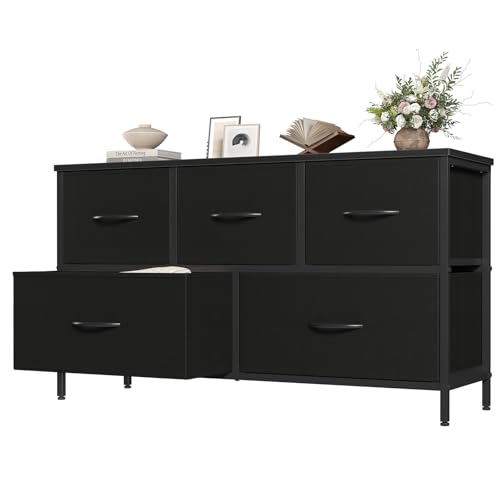
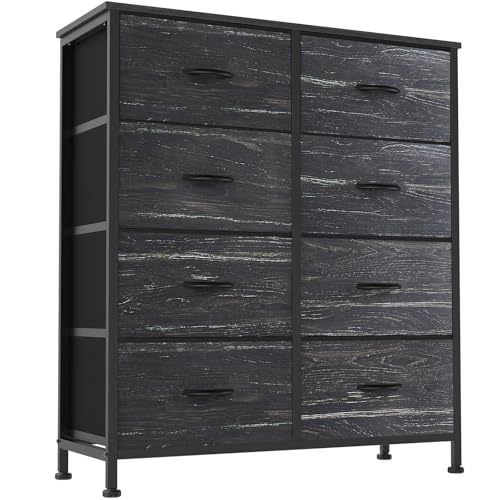
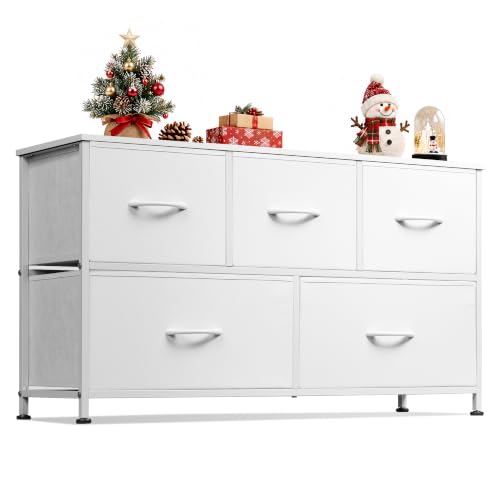
Small dressers for sale are the unsung heroes of compact living. Whether you are furnishing a studio apartment, a guest bedroom, a dorm, or a narrow closet, the right compact dresser turns wasted inches into organized storage. This guide breaks down the sizes, drawer configurations, materials, and safety features that actually matter, so you can shop with confidence and pick a piece that fits your room and your routine.
What Counts as a Small Dresser?
A dresser is generally considered small when it measures under roughly 40 inches wide and under 36 inches tall, with a depth between 16 and 20 inches. Anything under 30 inches wide enters compact territory, and those models are often labeled as narrow or petite dressers. The distinction matters because a piece that is too deep will block walking paths, while a piece that is too wide will overwhelm a tight wall. Before you compare models, measure your available floor space, the height of your baseboards, and the swing clearance of nearby doors. If your room is especially tight, our guide to small space dresser solutions covers placement strategies in detail.
It also helps to think about vertical space. A small footprint does not automatically mean low storage capacity. Tall narrow designs use height instead of width, which is why they suit closets and hallway nooks so well. If height is your only available dimension, explore tall narrow dresser with drawers options before settling on a wide, low unit.
Core Sizes and Layouts to Compare
Small dressers come in a handful of recognizable shapes, and each shape serves a different purpose. Knowing which layout matches your room removes most of the guesswork from shopping.
Narrow Vertical Dressers
Roughly 18 to 30 inches wide with four to five stacked drawers. Ideal for closets, hallways, and the space between a bed and a wall.
Compact Chests
Short, deep drawer stacks under 36 inches tall. Great as a nightstand alternative or a low console in a living area.
Small Double Dressers
Two columns of drawers in a wider but still compact frame. Best for guest rooms that need shared storage.
Rolling and Wall-Mounted Units
Mobility or zero floor footprint. Useful in dorms, rentals, and multi-purpose rooms where furniture must adapt.
If your priority is a traditional bedroom look in a compact size, a small chest dresser delivers familiar proportions without crowding the room. For closets specifically, a small chest of drawers for closet is designed to slide under hanging rails and keep folded items within reach. Living areas that double as storage zones can benefit from a small chest of drawers for living room that blends into the decor. And if you want to complete a matched bedroom, a small dresser and nightstand set keeps proportions consistent across the room.
How Many Drawers Do You Actually Need?
Drawer count is the single biggest factor in how usable a small dresser feels day to day. Three drawers suit light wardrobes, guest rooms, and entryway storage. Four to five drawers handle everyday clothing for one or two people, especially when the bottom drawers are deep enough for jeans and knitwear. If you are outfitting a nursery or a shared room, lean toward the upper end of that range and confirm that each drawer glides smoothly under load.
Drawer depth matters as much as drawer count. Shallow top drawers work well for socks, accessories, and folded shirts, while deeper lower drawers hold bulkier items. A common mistake is choosing a small dresser with many shallow drawers that cannot accommodate a folded sweater. When in doubt, favor fewer but deeper drawers over a large number of thin ones. For a deeper comparison of storage configurations, see our overview of small chest of drawers styles.
Materials and Build Quality
Material choice affects durability, weight, and how the piece ages. Solid wood remains the benchmark for longevity because joints can be repaired and surfaces refinished. Engineered wood with quality hardware is lighter, more stable in humid rooms, and often better specified at the entry-level tier. Neither material is universally better; the right answer depends on how long you intend to keep the dresser and how much weight each drawer will carry.
Pay attention to drawer construction as well. Dovetail joints and metal ball-bearing slides signal a sturdier build than stapled corners and plastic runners. A mid-range model typically offers smoother glides and thicker drawer bottoms than an entry-level unit, which matters when drawers are opened several times a day. If you are weighing the trade-offs, our comparison of solid wood versus engineered furniture explains the practical differences. Shoppers who want a heirloom-quality piece should look at solid wood small chest of drawers options, while a small chest of drawers in engineered wood can serve a rental or guest room well.
Small Dresser Tiers at a Glance
Use this tier framework to compare models on build quality and intended use rather than on any single number. The descriptors are relative and consistent across this guide.
| Tier | Typical Build | Best For | Hardware Notes |
|---|---|---|---|
| Entry-level | Engineered wood panels, stapled or cam-lock assembly | Guest rooms, dorms, short-term rentals | Basic slides; check drawer stops |
| Mid-range | Thicker panels, reinforced drawer boxes, some solid wood trim | Primary bedrooms, daily-use compact dressers | Ball-bearing slides, metal pulls |
| Premium | Solid wood frames, dovetail drawer joints | Long-term use, heirloom pieces, frequent moves | Soft-close glides, solid metal hardware |
| Luxury | Hardwood construction, hand-finished surfaces | Design-led interiors, statement compact furniture | Custom hardware, precision joinery |
Finish, Color, and Room Fit
In a small room, finish has an outsized visual effect. Light finishes reflect more light and make tight spaces feel larger, while dark finishes add depth and warmth but can crowd a narrow room if the walls are also dark. White remains the safest choice for compact bedrooms because it recedes visually and pairs with nearly any bedding. If you prefer a softer look, a small grey dresser for bedroom settings bridges light and dark palettes without dominating the space.
For a clean, bright aesthetic, a small white dresser is easy to coordinate and hides minor scuffs better than very dark finishes. If you want a focal point, consider how the hardware interacts with the room's metals; mixing finishes is fine as long as the hardware feels intentional. Shoppers comparing white options can review white dressers for bedroom configurations for size and drawer layouts before deciding.
Safety and Placement in Tight Rooms
Small dressers still need to be anchored. Any dresser with drawers that open can tip if weight shifts forward, and this risk is higher in homes with children or pets. Use the anti-tip kit supplied with the unit, or purchase a wall strap if one is not included. Keep heavy items in the lowest drawers and avoid placing a television or other heavy object on top of a compact unit unless the manufacturer explicitly rates the surface for it.
Placement is equally important. Leave at least two feet of clearance in front of the dresser so drawers can open fully. In very narrow rooms, consider a wall-mounted dresser to free up floor space, or a small rolling cabinet with drawers that can be moved aside when the room needs to serve another purpose. A vertical dresser is another strong option for tight walls because it concentrates storage in a narrow footprint.
Buying Checklist Before You Order
Run through this checklist before finalizing any purchase. It takes a few minutes and prevents most returns.
- Measure the wall width, floor depth, and ceiling height of your intended spot, then subtract two inches of clearance on each side.
- Confirm drawer interior dimensions, not just the external size, so folded clothing fits flat.
- Check the load rating per drawer if you plan to store heavy items such as denim or books.
- Verify whether an anti-tip kit is included and whether the unit is rated for wall anchoring.
- Review assembly requirements; some compact models ship fully assembled while others require two people.
- Confirm the finish matches your existing furniture or the room's dominant wood tone.
- Check return windows and whether the seller covers return shipping for large furniture.
Matching Sets and Related Storage
If you are furnishing a whole room, coordinated pieces reduce visual clutter. A two nightstands and dresser set keeps proportions aligned on both sides of the bed, and a white dresser chest and nightstand set works well in bright guest rooms. For children's rooms, a solid wood changing table dresser combines storage with a practical surface during the nursery years and transitions to a standard dresser later. Bedroom storage does not have to stop at the dresser; storage beds add capacity under the mattress, and a small rolling cabinet with drawers can serve as overflow storage that tucks away when not needed.
Frequently Asked Questions
What size counts as a small dresser?
A small dresser generally measures under 40 inches wide and under 36 inches tall, with a depth of 16 to 20 inches. Models under 30 inches wide are often called compact or narrow dressers and fit tight bedroom, closet, and hallway spaces.
How many drawers should a small dresser have?
Most small dressers offer 3 to 5 drawers. A 3-drawer design suits light wardrobes and guest rooms, while a 4- or 5-drawer model with deep lower drawers handles everyday clothing for one to two people more comfortably.
Is solid wood better than engineered wood for a small dresser?
Solid wood offers superior durability and repairability, making it a long-term investment. Engineered wood with quality hardware is lighter and stable in humidity, which works well in apartments. Both are valid choices depending on how long you plan to keep the piece.
Where can I place a small dresser in a tight bedroom?
Popular spots include beside the bed as a nightstand replacement, inside a closet for folded clothing, along a narrow wall under a window, or at the foot of a bed when clearance allows. Wall-mounted and rolling designs add flexibility for very small rooms.
Do small dressers need to be anchored to the wall?
Yes. Any dresser with drawers that open can tip if weight shifts forward, and the risk is higher in homes with children or pets. Use the anti-tip kit supplied with the unit, or purchase a wall strap if one is not included.
Ready to Compare Small Dressers?
Browse our curated selection of compact dressers and chests below, filtered for tight spaces and everyday storage needs. Each recommendation is chosen for build quality, drawer usability, and room fit.
Explore Compact Dressers