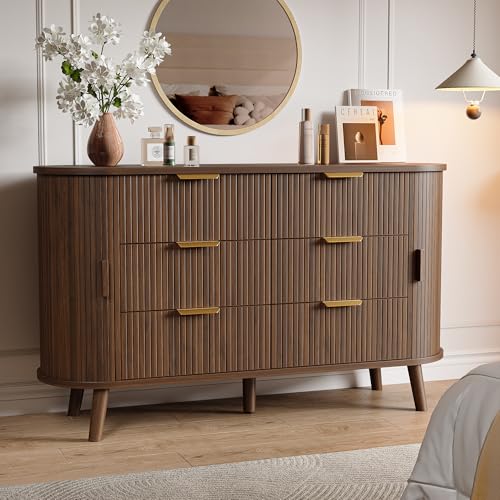
Small Mid Century Chest of Drawers: The Compact Retro Storage Guide
Everything you need to know before buying a compact mid-century chest — from signature design traits and wood options to drawer layout, sizing, and quality checks.
Why small mid century chests of drawers deserve a closer look: The mid-century modern movement produced some of the most enduring furniture shapes of the last century, and its compact chests are among the most practical. They pair clean, tapered lines with thoughtful storage — ideal for small bedrooms, closets, entryways, and home offices. This guide walks you through what makes these pieces distinct, how to size one for your room, and which details separate a well-built chest from a flimsy imitation.
What Makes a Chest "Mid Century" and "Small"?
A small mid century chest of drawers sits at the intersection of two design priorities: the recognizable visual language of mid-century modern furniture and a footprint built for tighter spaces. Understanding both helps you evaluate listings and showroom pieces with confidence.
Defining Mid-Century Design Traits
- Tapered legs: Often splayed or gently angled, frequently in wood but occasionally in metal or brass-capped tips.
- Clean, unornamented fronts: Flat drawer faces with minimal carving; hardware is usually slim pulls, recessed handles, or integrated finger pulls.
- Low, horizontal profile: Many mid-century chests emphasize width over height, though tallboy variants exist.
- Warm wood tones: Walnut, teak, and oak dominate, often with visible grain and a satin or oiled finish.
- Two-tone and accent details: Contrasting drawer fronts, colored panels, or brass hardware are common.
- Functional restraint: Storage is prioritized over decoration, with clean drawer reveals and balanced proportions.
What Counts as "Small"?
There is no universal definition, but most compact mid-century chests measure roughly 24 to 40 inches wide, 28 to 44 inches tall, and 15 to 19 inches deep. A piece in that range typically fits beside a bed, inside a reach-in closet, or against a short wall. If you are working with very tight quarters, a small space dresser guide can help you compare footprints before you commit.
Starter Compact Chests
Simplified construction, often engineered wood with veneer, and basic drawer slides. A solid choice for guest rooms or short-term setups where the visual style matters more than long-term durability.
Balanced Mid-Century Chests
Better joinery, smoother slides, and consistent finishes. These pieces typically use solid wood in key areas combined with quality veneers — a good balance of longevity and design fidelity.
Premium & Heirloom Chests
Solid walnut, teak, or oak construction with dovetail drawers, soft-close slides, and hand-finished surfaces. Built to last decades and often made by dedicated furniture workshops.
Sizing a Small Mid Century Chest for Your Space
Getting the dimensions right matters more than any single design detail. A chest that is too wide will crowd a doorway; one that is too deep may block closet access. Measure first, then compare against these guidelines.
| Placement | Suggested Width | Suggested Height | Best For |
|---|---|---|---|
| Bedside or nightstand alternative | 20–28 in | 24–30 in | Compact 3-drawer models; see small chest of drawers bedside options |
| Small bedroom main storage | 30–40 in | 30–44 in | 4–5 drawer chests; compare small dresser for bedroom layouts |
| Reach-in closet insertion | 24–36 in | 28–40 in | Slim depth; review small chest of drawers for closet ideas |
| Entryway or living room accent | 30–40 in | 28–34 in | Lower, wider silhouettes; see small chest of drawers for living room |
| Home office filing and supplies | 24–36 in | 28–38 in | Deeper drawers; explore small chest of drawers for office |
Measure Three Things Before You Buy
1) The wall or alcove width, including any baseboard trim. 2) The depth of the space, plus clearance for drawer pull-out. 3) The height relative to nearby furniture and light switches. A chest that opens into a doorway or blocks a closet door will frustrate you daily, no matter how good it looks.
Wood Types and Finishes to Know
Material choice drives both the look and the longevity of a mid-century chest. The most recognizable pieces use warm, open-grain hardwoods, but engineered wood with quality veneer can be a sensible alternative — especially for guest rooms and secondary spaces.
Walnut and Teak
Walnut is the signature wood of American mid-century modern design: rich brown tones, straight-to-wavy grain, and excellent stability. Teak is the Scandinavian counterpart — golden-brown, naturally oily, and highly durable. Both age gracefully and pair well with brass or black hardware. If you want a statement piece, a solid walnut dresser is a strong long-term investment.
Oak and Ash
Oak offers pronounced grain and excellent durability, often finished in natural or whitewashed tones. It suits modern-rustic and Scandi-leaning rooms. A solid oak dresser tends to be heavier than walnut but exceptionally long-lasting. Ash is lighter in color and slightly more subtle in grain — a good fit for brighter, airier bedrooms.
Engineered Wood with Veneer
Many accessible mid-century-style chests use particleboard or MDF cores with wood veneer. The visual result can be convincing, and stability is generally good. The main trade-offs are edge durability and repairability. For a balanced overview of construction options, see our comparison of solid wood vs engineered furniture.
Drawer Layouts and Storage Capacity
A small chest lives or dies by how well its drawers are organized. Mid-century designs usually favor a mix of drawer heights rather than uniform stacks.
- Three-drawer layouts: Often one shallow top drawer and two deeper lower drawers. Useful for bedside storage or a compact entryway catch-all.
- Four-drawer layouts: Typically two shallow and two deep drawers. A practical compromise for small bedrooms.
- Five-drawer layouts: Usually one top drawer plus four stacked or split drawers. The most storage you can reasonably get from a compact mid-century silhouette.
- Split-drawer designs: Some models divide the top row into two smaller drawers, which is handy for accessories and smaller items.
If you mostly store folded clothing, look for deeper lower drawers. If you need organization for accessories, jewelry, or office supplies, a split top row is more useful. For a broader look at compact chest options across layouts, browse our collection of small chest of drawers.
Quality Checks: What Separates a Good Chest from a Weak One
Mid-century styling is widely imitated, and not every piece is built to last. Use this checklist when evaluating a listing or inspecting a floor model.
- Joinery: Dovetail or mortise-and-tenon joints in drawer boxes and frames indicate better construction than stapled or glued butt joints.
- Drawer slides: Smooth, quiet operation matters. Wood-on-wood runners are traditional and fine when waxed; ball-bearing or soft-close slides are more forgiving in daily use.
- Leg attachment: Tapered legs should be firmly bolted or joined — wobble at the base is a red flag.
- Finish consistency: Look for even sheen, no drips, and clean edges around drawer fronts.
- Drawer bottoms: A sturdy bottom panel with a center support rail resists sagging over time.
- Back panel: A solid or well-fitted back panel adds rigidity and keeps dust out.
- Odor: Fresh paint or solvent smell may fade, but a strong chemical odor can indicate low-grade finishes.
Styling a Compact Mid-Century Chest
Small chests are often focal points in tight rooms, so a little restraint goes a long way. Keep the top surface light: a lamp, a small tray, and one or two books. Let the tapered legs and wood grain breathe — avoid heavy, oversized decor that visually crowds the piece. If the chest sits beside a bed, pair it with a simple wall light or a slim table lamp rather than a bulky shade.
In a closet, the chest often works best against a side wall with a mirror above and a shallow basket beside it for overflow. In a living room or entryway, treat it like a console: a low-profile lamp, a shallow bowl for keys, and maybe a small plant. The goal is to let the clean mid-century lines do the work.
Common Buying Mistakes to Avoid
- Ignoring drawer pull-out clearance: A chest that fits flush against a wall may still need 12–15 inches of clearance in front of it.
- Overlooking leg splay: Tapered legs often widen the effective footprint beyond the cabinet body — measure the leg span, not just the top.
- Choosing style over storage: A beautiful three-drawer chest may not cover your clothing needs. Count what you actually plan to store.
- Skipping the closet measurement: If the chest is destined for a closet, confirm the door swing and interior depth before ordering.
- Assuming all "walnut" is solid: Many listings use walnut veneer over engineered wood. That is not inherently bad, but it should be reflected in the construction description.
Frequently Asked Questions
What defines a small mid century chest of drawers?
A small mid century chest of drawers typically combines compact proportions with the signature traits of mid-century modern design: tapered legs, clean lines, minimal ornamentation, and often a mix of wood tones or two-tone finishes. These pieces usually offer three to five drawers and are designed to fit tighter spaces.
How many drawers should a small mid century chest have?
Most compact mid-century chests feature three to five drawers. Three-drawer models suit bedside or entryway use, while four- and five-drawer versions provide more vertical storage for bedrooms and small closets. Choose based on what you plan to store and the footprint available.
Which wood types are common for mid-century chests?
Walnut and teak are the most iconic woods associated with mid-century modern furniture, prized for their warm grain and durability. Oak, cherry, and ash are also common, and some pieces use engineered wood with walnut or teak veneer to balance appearance and stability.
Can a small mid century chest of drawers work in a closet?
Yes. Compact mid-century chests are popular closet additions because their slim profiles and vertical storage suit narrow spaces. Measure the closet depth and door swing before buying, and choose a model with drawer slides that operate smoothly in tight quarters.
What should I check for quality in a mid-century chest?
Inspect joinery such as dovetail or mortise-and-tenon construction, drawer slide mechanisms, leg stability, and finish consistency. Solid wood or high-grade veneer over stable cores generally indicates better durability than thin particleboard covered in paper laminate.
Ready to Compare Compact Mid-Century Chests?
Explore hand-picked options below and find the piece that fits your space, your storage needs, and your style.
View Recommended OptionsFinal Thoughts
A small mid century chest of drawers is more than a nostalgia piece — it is a practical storage solution with enduring visual appeal. Focus on the right dimensions for your room, choose a construction tier that matches how you plan to use the piece, and verify drawer layout and hardware quality before you commit. With those boxes checked, a compact mid-century chest can serve as a quiet anchor in a small bedroom, a closet upgrade, or a character-rich entryway piece for years to come.