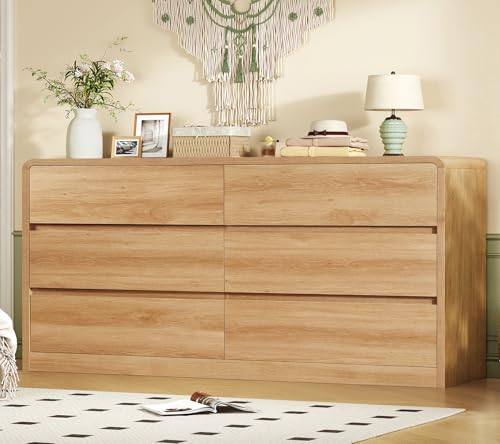
Natural Wood Chest of Drawers: The Complete Guide
Everything you need to know about choosing a natural wood chest of drawers — wood species, drawer construction, finish options, sizing, and styling — so you can buy with confidence.
Explore Wood TypesWhy natural wood? A natural wood chest of drawers brings warmth, texture, and timeless character to a bedroom. Unlike painted or laminate finishes, natural wood reveals the grain and color variation that make each piece unique. This guide walks you through the decisions that matter most — from species and joinery to drawer glides and placement — so your chest serves you beautifully for years.
Understanding Natural Wood Species
The species you choose affects grain pattern, color, hardness, and how the piece ages. Natural wood chests are typically finished with a clear coat, oil, or wax that preserves the grain rather than hiding it under paint. Here are the most common options you will encounter:
| Wood Species | Grain & Look | Durability | Best For |
|---|---|---|---|
| Oak | Prominent, open grain with visible rays; light to honey tones | High — dense and hard-wearing | High-traffic bedrooms, family homes, rustic and farmhouse styles |
| Maple | Fine, uniform grain; pale creamy color | High — hard and shock-resistant | Modern and Scandinavian interiors, clean-lined designs |
| Walnut | Rich chocolate-brown tones with smooth, flowing grain | Medium-high — durable but softer than oak | Mid-century and contemporary rooms, statement pieces |
| Pine | Soft grain with knots; pale yellow to warm amber | Medium — prone to dents | Rustic, cottage, and casual bedroom settings |
| Cherry | Fine, straight grain; deepens to reddish-brown over time | Medium-high | Traditional and transitional bedrooms |
| Acacia | Dramatic contrast between light and dark grain | High — naturally dense | Eclectic and bohemian spaces, accent pieces |
If you want a chest that will handle daily use with minimal fuss, oak and maple are safe choices. For a warmer, richer look, walnut is hard to beat. Pine suits relaxed, rustic rooms but benefits from gentle handling. You can explore more about natural wood dressers and how species affect the overall look of a bedroom set.
Drawer Construction: What Separates Tiers
Drawer construction is where quality tiers diverge most sharply. A chest of drawers can look beautiful on the outside but disappoint in daily use if the drawers stick, sag, or wobble. Here is what to look for across the market:
Entry-Level Tier
- Drawer boxes made from thinner stock or engineered panels
- Stapled or glued joints rather than dovetails
- Basic side-mounted roller glides with limited load capacity
- Bottom panels that may bow under heavy loads over time
- Acceptable for light use in guest rooms or low-traffic spaces
Mid-Range Tier
- Solid wood drawer sides and fronts
- English or French dovetail joinery at the corners
- Side-mounted or undermount glides with smoother travel
- Reinforced drawer bottoms with center support
- A solid choice for primary bedrooms with everyday use
Premium and High-End Tier
- Thick solid wood drawer boxes, often maple or birch
- Hand-cut dovetails with tight, consistent spacing
- Full-extension undermount soft-close glides rated for heavy loads
- Dust panels between drawers and a finished back panel
- Built to last decades and to feel smooth every single day
For a deeper look at how construction quality affects longevity, see our guide to modern solid wood chest of drawers and the joinery details that matter most.
Finishes That Preserve Natural Grain
A natural wood chest lives or dies by its finish. The right finish protects the wood without masking its character. Here are the main options and how they behave over time:
- Clear lacquer or polyurethane: Offers a protective film with a subtle sheen. Easy to wipe clean and resistant to moisture — ideal for busy households.
- Hardwax oil: Penetrates the wood rather than sitting on top, leaving a matte, natural touch. It can be spot-repaired and enhances grain depth beautifully.
- Linseed or tung oil: Traditional penetrating finishes that bring out richness but require periodic reapplication. Best for those who enjoy a hands-on maintenance routine.
- Soap finish: A Scandinavian approach that leaves a pale, velvety surface. Very natural in appearance but less resistant to stains and water rings.
- Water-based clear coat: Low odor and quick-drying, with good clarity. Suitable for modern pieces where a clean look is the priority.
Whichever finish you choose, confirm that it is low-VOC if the chest will go in a nursery or a poorly ventilated room. For nursery-specific considerations, our natural wood dresser for nursery guide covers safe finishes and anchoring.
Sizing and Placement for Your Bedroom
A chest of drawers is taller than it is wide, which makes it a smart choice for narrow walls and small footprints. Before you buy, measure the wall space, the clearance for drawer extension, and the walking path around the piece.
- Small bedrooms: A chest 30–36 inches wide and 40–50 inches tall fits tight walls without crowding the bed. Browse narrow chest of drawers for small spaces for layouts that work.
- Primary bedrooms: A chest 38–44 inches wide with five or six drawers provides generous storage while keeping a compact footprint.
- Tall chests: Pieces over 50 inches tall should be anchored to the wall for safety, especially in homes with children.
- Drawer clearance: Allow at least 24 inches of open space in front of the chest so drawers can extend fully without hitting the bed or a doorway.
If you are furnishing a complete bedroom, a natural wood chest of drawers for bedroom pairs naturally with a matching nightstand and bed frame for a cohesive look.
Care and Maintenance
Natural wood rewards a little attention. A simple routine keeps the grain looking rich and the drawers moving smoothly:
- Dust weekly with a soft, dry microfiber cloth — avoid paper towels, which can micro-scratch the finish.
- Wipe spills promptly with a slightly damp cloth, then dry immediately.
- Use a mild wood-safe cleaner for periodic deeper cleaning; skip abrasive or ammonia-based products.
- Reapply wax or oil every six to twelve months depending on the finish and humidity in your home.
- Lubricate drawer glides with a silicone spray or paraffin wax if they begin to feel stiff.
- Keep humidity between 40–60 percent to prevent cracking and seasonal drawer swelling.
For a full walkthrough of cleaning techniques and product choices, see our guide on how to clean a dresser and protect natural finishes.
Frequently Asked Questions
Related Guides and Collections
- Natural Wood Chest of Drawers
- Natural Wood Chest of Drawers for Sale
- Natural Wood Chest of Drawers for Bedroom
- Natural Wood Dresser
- Natural Oak Dresser
- Modern Solid Wood Chest of Drawers
- Narrow Chest of Drawers
- Narrow Chest of Drawers for Small Spaces
- Natural Wood Dresser and Nightstand Set
- Natural Wood Dresser for Nursery
- Natural Wood Three Drawer Dresser
- Natural Wood Dresser with Black Hardware