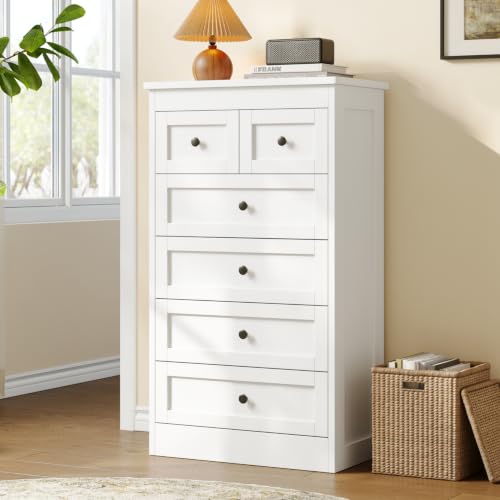
Narrow Dressers for Small Spaces
Discover slim, space-saving dressers that maximize storage without sacrificing style. Expert guidance for tight bedrooms, apartments, and compact living areas.
Explore the GuideWhy a narrow dresser makes sense: In small bedrooms and apartments, floor space is precious. A narrow dresser—typically 18 to 30 inches wide—delivers the vertical storage you need while leaving room for movement, nightstands, and a comfortable bed layout. This guide covers sizing, drawer configurations, materials, and practical tips to choose the right slim dresser for your space.
What Defines a Narrow Dresser?
A narrow dresser is a vertically oriented storage piece designed to fit into compact footprints. Unlike wide dressers that stretch six feet across a wall, narrow models typically measure between 18 and 30 inches in width while offering comparable or greater height. This vertical emphasis makes them ideal for small bedrooms where horizontal wall space is limited by doors, windows, or closets.
The category includes several related forms: the classic narrow dresser, the slim narrow chest of drawers, and specialized pieces like the narrow accent cabinet with drawers. What unites them is a commitment to efficient storage density—more drawers stacked in less width.
Why Choose a Narrow Dresser for a Small Space?
Small-space living demands furniture that earns its place. Here is what a narrow dresser brings to the table:
- Preserves walking clearance: A slim profile keeps pathways open in tight bedrooms and studios.
- Works in awkward wall segments: Narrow dressers fit between windows, beside doors, or in recessed alcoves where wider pieces cannot go.
- Maximizes vertical storage: By stacking drawers upward, you gain serious capacity without expanding the footprint.
- Versatile placement: Use one in a bedroom, entryway, hallway, nursery, or even a bathroom for linen storage.
- Pairs well with other furniture: A narrow dresser leaves room for a desk, reading chair, or additional storage bench.
Key Buying Considerations
Before you commit, evaluate these factors to ensure your narrow dresser fits both your room and your routine.
1. Width and Depth Dimensions
The defining measurement is width, but do not overlook depth. A narrow dresser typically ranges from 15 to 20 inches deep. Deeper drawers hold more, but they also protrude further into the room when open. Measure your available wall space, then account for the swing of doors and drawers. A general rule: leave at least 24 inches of clearance in front of the dresser for comfortable use.
2. Drawer Count and Configuration
Narrow dressers usually offer three to five drawers stacked vertically. Consider how you fold and store clothing:
- 3 drawers: Better for bulky items, linens, or a minimalist wardrobe.
- 4 drawers: A balanced choice for most users, with room to separate categories.
- 5+ drawers: Ideal for those who fold clothing into categories or need dedicated space for accessories.
Drawer depth matters too. A narrow dresser with deep drawers can hold sweaters and bedding, while shallower drawers suit socks, undergarments, and folded shirts.
3. Materials and Construction
Solid wood remains the gold standard for durability. Look for dovetail drawer joints, sturdy glides, and a stable frame. Engineered wood with quality veneers offers a solid mid-tier option. In humid spaces such as bathrooms, moisture-resistant finishes and sealed edges are important. For a more natural aesthetic, a narrow wooden chest of drawers brings warmth and texture to compact rooms.
4. Style and Finish
A narrow dresser can be a focal point or a quiet backdrop. Popular finishes include:
- White: A narrow white dresser brightens small spaces and blends with most decor.
- Natural wood: Warms the room and adds organic texture.
- Black or dark finishes: Create contrast and a grounded feel.
- Two-tone: Combines a light frame with contrasting drawer fronts.
5. Hardware and Drawer Glides
In tight spaces, smooth operation matters. Soft-close glides prevent drawers from slamming into walls or other furniture. Consider whether you prefer knobs, bar pulls, or recessed handles—recessed handles save a few inches of clearance and reduce snagging in narrow walkways.
Narrow Dresser Types Compared
| Type | Typical Width | Best For | Tier |
|---|---|---|---|
| Skinny accent dresser | 18–22 inches | Tight corners, entryways, secondary storage | Essential tier |
| Standard narrow dresser | 24–30 inches | Primary bedroom storage in small rooms | Mid-tier |
| Tall narrow chest | 24–32 inches | Vertical storage for folded clothing and linens | Balanced tier |
| Narrow dresser with deep drawers | 26–32 inches | Bulky items, sweaters, bedding | High-end tier |
| Narrow accent cabinet with drawers | 20–28 inches | Mixed storage—drawers plus cabinet doors | Mid-range |
How to Arrange a Small Bedroom Around a Narrow Dresser
Placement is half the battle in a compact room. Here are practical layout strategies:
- Anchor a short wall: A narrow dresser fits neatly on a wall segment between a door and a window.
- Flank the bed: Use a slim dresser as a bedside storage piece if your room lacks space for both a nightstand and a dresser.
- Create a dressing zone: Position the dresser opposite the bed or beside a closet to form a compact getting-ready area.
- Use vertical space above: Mount a mirror or floating shelves above the dresser to draw the eye upward and add function.
- Keep clearance: Allow at least 24 inches in front of the dresser for opening drawers and moving comfortably.
If your space is especially tight, consider a narrow dresser for small bedroom with a shallow depth to reduce protrusion into the walking path.
Storage Strategies for Narrow Dressers
A narrow dresser rewards intentional organization. Because each drawer has less surface area, use dividers and stackable inserts to keep categories separate. Fold clothing vertically (the file-folding method) so you can see every item at a glance. Reserve the top drawer for daily essentials and the bottom drawers for seasonal or bulky items. Rotate clothing seasonally to keep the dresser from becoming overcrowded.
For rooms that need extra storage beyond the dresser, consider a narrow chest of drawers for small spaces as a complementary piece, or explore narrow set of drawers for bedroom options that combine multiple units.
Materials, Finishes, and Longevity
Solid wood construction—oak, maple, pine, or walnut—offers the longest service life and can be refinished if the surface wears. Mid-range engineered wood with laminated or veneered surfaces provides a solid balance for most households. Entry-level models often use particleboard with paper veneers; these are functional but less resistant to moisture and heavy use. Regardless of material, check the drawer bottoms for reinforcement and confirm that the glides are rated for the load you intend to store.
If you prefer a natural look, a narrow wooden chest of drawers pairs well with both neutral and bold color schemes. For a lighter visual footprint, a narrow white dresser reflects light and helps small rooms feel more open.
Common Mistakes to Avoid
- Ignoring drawer clearance: Measure the swing of drawers before placing the dresser in a tight spot.
- Choosing style over sturdiness: A wobbly narrow dresser is frustrating in daily use; prioritize solid construction.
- Overlooking wall anchoring: Tall, narrow dressers should be anchored to the wall for safety, especially in homes with children or pets.
- Buying without a layout plan: Sketch your room and mark the dresser footprint before ordering.
- Skipping the depth check: A shallow dresser fits better in narrow walkways; a deep one holds more but may obstruct movement.
Frequently Asked Questions
What is the ideal width for a narrow dresser in a small bedroom?
A narrow dresser typically ranges from 18 to 30 inches in width. For very tight spaces, look for models around 18–24 inches wide. These slim dressers provide essential storage without overwhelming the room, leaving comfortable walking space and room for other furniture.
How many drawers should a narrow dresser for small spaces have?
Most narrow dressers offer three to five drawers stacked vertically. A four-drawer or five-drawer narrow chest maximizes vertical storage while keeping a small footprint. Consider your clothing volume and folding habits when choosing the drawer count.
Can a narrow dresser be used in rooms other than the bedroom?
Absolutely. Narrow dressers work well in entryways, hallways, home offices, nurseries, and bathrooms. Their slim profile makes them versatile storage solutions for any tight space where you need organized drawer storage.
What materials are best for a narrow dresser in a small space?
Solid wood offers the best durability and longevity. Engineered wood with quality veneers provides a solid mid-tier option. For humid areas like bathrooms, look for moisture-resistant finishes and sturdy hardware.
Ready to Find Your Narrow Dresser?
Explore our curated selection of slim dressers and space-saving storage pieces below. Each option is chosen for compact living and practical organization.
View Recommended Models