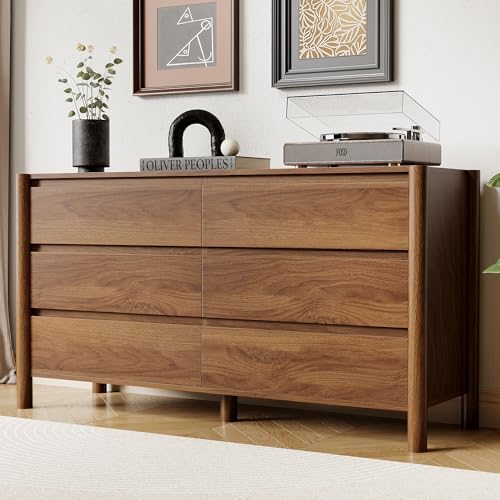
Mid-Century Modern Solid Wood Dresser: The Complete Guide
Everything you need to know before choosing a mid-century modern solid wood dresser — wood types, design signatures, construction quality, sizing, and how to match one to your bedroom.
Explore Recommended DressersWhy this guide matters: A mid-century modern solid wood dresser is more than bedroom storage — it is a design statement that balances clean geometry, honest materials, and everyday function. If you are in the research phase and want to avoid a purchase you will regret, this guide walks you through the exact criteria professionals use when evaluating an MCM dresser.
What Defines a Mid-Century Modern Solid Wood Dresser?
Mid-century modern design emerged in the mid-20th century and is characterized by a deliberate rejection of ornamentation in favor of clean lines, organic curves, and a seamless integration of form and function. When applied to a solid wood dresser, this philosophy translates into several recognizable design signatures that separate a genuine MCM piece from a generic wooden dresser.
Clean, Uncluttered Lines
MCM dressers feature flat, unadorned drawer fronts with minimal molding. The silhouette is geometric yet softened — often with subtly rounded corners or a gentle taper that prevents the piece from feeling rigid.
Tapered Legs & Low Profile
Perhaps the most recognizable MCM trait is the tapered, splayed leg that lifts the dresser off the floor, creating an airy, floating visual effect. Many pieces sit lower than traditional dressers to keep sightlines open.
Integrated Handles
Instead of ornate knobs or pulls, MCM dressers often use recessed cutouts, continuous wood pulls, or slim metal bars that align flush with the drawer face — hardware becomes part of the architecture.
Honest Wood Grain
A solid wood MCM dresser celebrates the natural character of the wood. Finishes are typically matte or satin, designed to reveal grain patterns rather than mask them with heavy lacquer or paint.
Why Choose Solid Wood Over Engineered Wood?
One of the most important decisions you will make is whether the dresser body and drawer boxes are built from solid wood or engineered materials such as particleboard, MDF, or plywood with veneer. For an MCM dresser, solid wood is the traditional and preferred choice — and here is why it matters.
- Durability and structural integrity: Solid wood holds joinery — dovetails, mortise-and-tenon joints — far better than engineered boards, meaning the dresser resists racking and loosening over years of use.
- Repairability and refinishing: Scratches and dents on solid wood can be sanded and refinished. Veneered particleboard, once damaged, is usually irreparable.
- Natural patina: Solid wood develops a rich patina over time, deepening in character — a quality that engineered surfaces cannot replicate.
- Drawer box quality: Solid wood drawer sides and bottoms glide more smoothly and resist sagging, especially important for the wider drawers common on mid-century modern wide dressers.
If you want to explore the broader conversation about furniture materials and finishes, our materials and finishes guide breaks down the trade-offs in greater detail.
Best Wood Types for MCM Solid Wood Dressers
The wood species you choose affects not only appearance but also durability, weight, and how the dresser ages. Below is a comparison of the most common solid woods used in mid-century modern dressers, organized by market positioning rather than any specific figure.
| Wood Type | Character | Market Tier | Best For |
|---|---|---|---|
| Walnut | Rich, dark chocolate tones with striking grain; the quintessential MCM wood | Premium | Statement bedrooms, formal master suites |
| Teak | Warm golden-brown, naturally oily and weather-resistant; iconic in Danish modern design | Premium | Authentic vintage-inspired interiors, humid climates |
| Oak | Light to medium honey tones, prominent grain, exceptional hardness | Mid-Range | Family homes, high-traffic bedrooms, lighter palettes |
| Maple | Pale, creamy color with fine grain; takes stain and finish beautifully | Mid-Range | Scandinavian-leaning spaces, bright minimalist rooms |
| Ash | Light blonde with bold grain; flexible and shock-resistant | Entry-Level | First MCM purchase, budget-conscious starter tier |
| Cherry | Warm reddish-brown that deepens dramatically with age and light exposure | Premium | Traditional-leaning interiors that still want clean lines |
For a deeper look at specific wood options, you can explore our guides to maple wood dressers and mahogany dressers.
Construction Quality Checklist
Two MCM dressers can look nearly identical from across a room yet differ enormously in how they hold up after a decade of use. Use this checklist during your research to separate a well-specified piece from a purely decorative one.
- Dovetail or mortise-and-tenon joinery in drawer boxes and frame corners — not staples, screws alone, or glued butt joints.
- Solid wood drawer boxes with finished sides and bottoms, not stapled particleboard.
- Smooth-gliding drawer slides — either high-grade wooden runners (authentic to vintage MCM) or well-engineered metal slides. Test that drawers close flush and quietly.
- Sturdy tapered legs that are securely joined to the case — avoid legs that feel loose or are simply bolted through a thin base panel.
- Back panel integrity: a solid or well-fitted back panel prevents racking and keeps dust out.
- Finish quality: an even, satin or matte finish that highlights grain rather than a thick plastic-like coat that obscures it.
- Weight and stability: a solid wood dresser should feel substantial and should not wobble when a loaded drawer is fully extended.
Choosing the Right Size and Configuration
MCM dressers come in several distinct footprints, and the right one depends on your room layout and storage volume. Because the style favors a low, horizontal profile, many pieces read smaller than traditional tallboys — but they can still deliver generous capacity.
6-Drawer Dresser
The classic MCM configuration — wide and low, with two or three columns of drawers. Ideal for couples who split storage. See mid-century modern 6 drawer dressers for a deeper dive.
8-Drawer Dresser
A larger footprint with more segmented storage. Suits master bedrooms with generous floor space and a need for separated categories. Explore 8-drawer MCM dressers.
Tall / Vertical Dresser
Fewer columns but more height — a good fit for narrow walls and smaller rooms. Review mid-century modern tall dressers for space-saving options.
Wide / Double Dresser
Maximum horizontal storage and a strong visual anchor for large walls. Discover double dressers and wide dressers.
Styling Your MCM Solid Wood Dresser
A solid wood MCM dresser is a natural focal point, but it also anchors the rest of the bedroom. Because of its clean lines, it pairs exceptionally well with a variety of supporting pieces — and matching sets can unify the room without feeling overly coordinated.
If you prefer a cohesive look, consider a mid-century modern dresser and nightstand set, or explore mid-century dresser and nightstand sets that align in wood tone and leg style. For a more layered, collected approach, contrast the dresser with a dresser with mirror or pair it with a complementary wardrobe armoire to complete the storage story.
To refine the visual language, the hardware you choose matters. If you are replacing or upgrading pulls, our guide to mid-century modern dresser pulls and mid-century cabinet pulls covers the most period-appropriate options.
Ready to Compare Mid-Century Modern Solid Wood Dressers?
Browse our curated selection of recommended dressers and storage pieces, selected for construction quality, design authenticity, and everyday function.
View Recommended DressersFrequently Asked Questions
What makes a dresser truly mid-century modern?
A mid-century modern dresser is defined by clean lines, tapered legs, a low profile, and a balance of form and function. It often features minimal ornamentation, integrated handles, and a mix of wood tones with subtle contrast.
Why choose solid wood over engineered wood for an MCM dresser?
Solid wood offers superior durability, repairability, and a natural patina that improves with age. It holds joinery better and can be refinished, making it a long-term investment for a piece of furniture that often becomes a focal point.
How do I know if a mid-century modern solid wood dresser is well-made?
Look for dovetail or mortise-and-tenon joinery, smooth-gliding drawer slides, solid wood drawer boxes (not particleboard), and a finish that highlights the grain rather than obscuring it. Tapered legs should be sturdy and well-attached.
Is walnut or teak better for an MCM dresser?
Both are premium-tier woods closely associated with mid-century design. Walnut offers darker, richer tones with dramatic grain, while teak has a warmer golden-brown hue and natural oiliness that resists moisture. The choice is largely aesthetic and depends on your room's palette.
Can I mix a mid-century modern dresser with other furniture styles?
Absolutely. The clean lines of MCM furniture make it highly versatile. A solid wood MCM dresser can sit alongside contemporary, Scandinavian, and even transitional pieces — the key is to let the dresser remain a quiet, well-proportioned anchor rather than competing with overly ornate furniture.