Mid-Century Wardrobe Armoire Buying Guide
Discover the perfect blend of retro style and modern functionality. Our complete guide helps you choose the ideal mid-century wardrobe armoire for your bedroom.
Shop Top Picks ↓What is a Mid-Century Wardrobe Armoire?
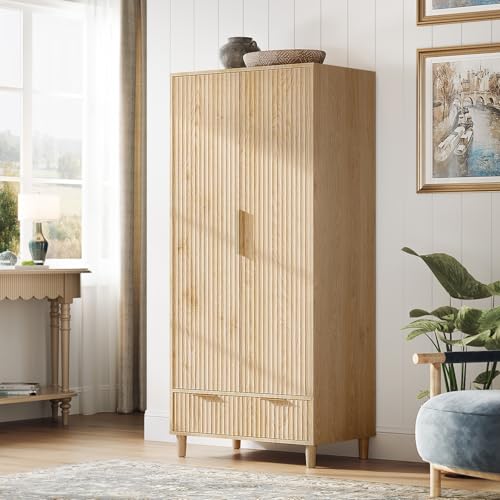
A mid-century wardrobe armoire is a freestanding storage piece that combines the clean lines and organic forms of mid-century modern design with the functionality of a traditional armoire. These versatile pieces feature tapered legs, minimalist hardware, and warm wood finishes that defined the design movement from the 1940s to 1960s.
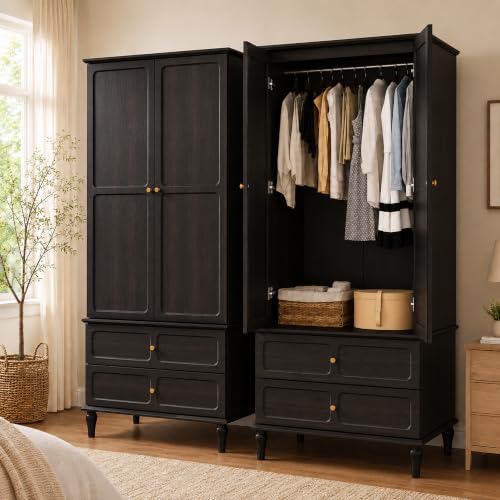
Unlike standard dressers, a mid-century armoire offers vertical storage with doors that conceal hanging space, shelves, and drawers. This makes it an ideal solution for bedrooms lacking closet space or for those who want to add a statement piece that doubles as a storage workhorse.
When you're ready to bring this timeless piece into your home, our buying guide covers everything from sizing and materials to style variations and shopping tips.
🪵 Iconic Materials
Walnut, teak, and rosewood veneers with solid wood frames define the authentic mid-century aesthetic.
📐 Functional Storage
Hanging rods, adjustable shelves, and drawers offer versatile organization for clothing and accessories.
✨ Timeless Design
Clean lines, angled legs, and minimal ornamentation create a look that complements any decor style.
Key Features of a Mid-Century Armoire
Understanding the defining characteristics of a mid-century modern wardrobe armoire will help you identify authentic pieces and make an informed purchase decision.
- Materials & Construction: Authentic mid-century pieces were crafted from solid hardwoods like walnut, teak, and oak, often with veneer construction for stability. Look for dovetail drawer joints and quality hardware as indicators of craftsmanship.
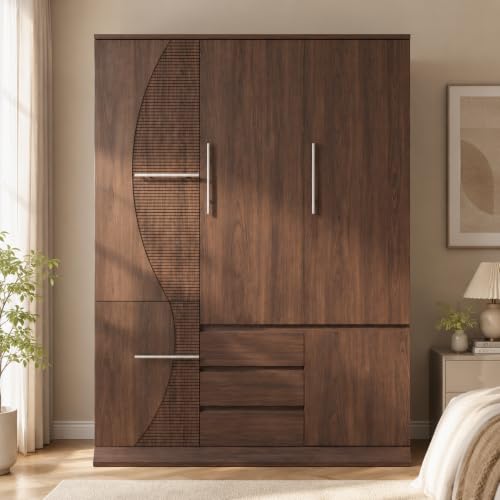
- Design Elements: Tapered wooden legs (often angled), clean lines, and minimal ornamentation are hallmark features. Many pieces feature contrasting finishes or wood grains that showcase the natural beauty of the materials.
- Storage Configuration: Most mid-century armoires include a hanging section with a rod, adjustable shelves, and 3-5 drawers at the base. Some feature a mirror on the door or additional side storage compartments.
- Hardware: Brass or brushed metal pulls and handles in simple geometric shapes complement the minimalist aesthetic. Many pieces use integrated pulls carved into the wood itself.
Sizing: Finding Your Perfect Fit
Before purchasing your mid-century wardrobe armoire, consider both your available space and your storage needs. This guide helps you choose the right size.
Standard Dimensions: A typical mid-century armoire measures 40-50 inches wide, 60-72 inches tall, and 20-24 inches deep. Some larger floor models can reach 80 inches in height.
Consider These Factors:
- Room Size: For a standard bedroom (10x12 feet), a 48-inch wide armoire works well. In smaller spaces, consider a narrow chest of drawers alternative.
- Ceiling Height: Ensure at least 2 inches of clearance above the armoire for easy installation and proper ventilation.
- Floor Space: Allow at least 24-30 inches of walking space in front of the armoire for easy access to the doors and drawers.
Materials & Finishes: Quality Matters
Understanding the materials used in a mid-century wardrobe armoire is essential for assessing quality and ensuring longevity.
Wood Types:
- Walnut: Rich, dark brown with a straight grain pattern. Highly prized and tends to be more expensive. Look for authentic walnut veneer over solid wood construction.
- Teak: Golden-brown with a distinctive grain. Known for durability and resistance to moisture. Classic mid-century material.
- Oak: Light to medium brown with prominent grain. More affordable and widely available. Offers excellent durability.
- Rosewood: Dark with striking grain patterns. Very rare and expensive, often found in high-end vintage pieces.
Construction Quality: Higher-end armoires use dovetail or box joints for drawer construction, solid wood frames, and quality hardware. Check for levelness, smooth drawer operation, and the finish's ability to protect the wood while showcasing its natural beauty. For a similar approach to quality assessment, refer to our solid wood chest of drawers guide.
Styles and Variations
The mid-century modern armoire has several style variations, each with its unique character.
Danish Modern
Characterized by lighter woods like teak, clean lines, and tapered legs. Often features integrated handles and seamless construction.
Atomic Age
Bold colors, geometric patterns, and space-age influences. Often incorporates unusual hardware and decorative elements.
Scandinavian
Light woods, minimalist design, and functional simplicity. Focuses on clean lines and natural materials.
Where to Find Your Perfect Mid-Century Armoire
When shopping for a mid-century wardrobe armoire, you have several options. Each has its pros and cons.
Vintage vs. New
Vintage: Authentic vintage pieces offer unmatched quality and character but require patience to find and may need restoration. Prices range from $800 to over $5,000 depending on condition and maker.
New (Reproduction): Modern reproductions offer the same aesthetic with contemporary construction and finishes. Many come ready-to-assemble, making them more accessible. Prices range from $600 to $2,500.
Online Retailers
- Dedicated mid-century modern furniture stores offer curated collections with detailed specifications.
- Online marketplaces provide a wide selection of both vintage and new pieces at various price points.
- When shopping online, look for detailed dimensions, material information, and customer reviews.
Frequently Asked Questions
How does a mid-century armoire differ from a dresser?
A mid-century armoire is a freestanding wardrobe with doors, a hanging rod, and shelves, whereas a dresser vs chest typically offers only drawers. Armoires provide more versatile storage, including hanging space for garments that need to stay wrinkle-free.
Can I use a mid-century armoire in a modern bedroom?
Absolutely! The clean lines and warm woods of mid-century design complement contemporary decor beautifully. Mix with modern textiles and minimal accessories for a balanced look.
How do I maintain my wood armoire?
- Dust regularly with a soft, dry cloth.
- Use wood-specific cleaners and polishes sparingly.
- Protect from direct sunlight to prevent fading.
- Keep away from heat sources and extreme humidity changes.
What's the difference between an armoire and a wardrobe?
While often used interchangeably, a armoire wardrobe cabinet specifically describes a taller piece, while an armoire can refer to any size. Traditionally, armoires were more ornate while wardrobes were simpler. Today, both terms are often used for similar furniture pieces.
Is a mid-century wardrobe armoire worth the investment?
Yes. The durability, timeless appeal, and functionality of a quality armoire make it a valuable addition to any bedroom. Its versatility ensures it remains useful and stylish for years to come, far outlasting trendier pieces.
Mid-Century Armoire vs. Other Storage Solutions
Consider how a mid-century wardrobe armoire compares to other popular storage pieces to ensure you're making the best choice for your space.
| Feature | Mid-Century Armoire | Chest of Drawers | Wardrobe Closet |
|---|---|---|---|
| Hanging Space | ✅ Yes | ❌ No | ✅ Yes (more room) |
| Drawer Count | 3-5 drawers | 3-9 drawers | 2-4 drawers |
| Style Statement | High (focal point) | Moderate | High |
| Space Efficiency | Very Good | Good | Excellent |
Final Buying Tips
Before you purchase your mid-century wardrobe armoire, keep these final tips in mind:
- Measure carefully: Measure your space and the armoire dimensions, considering door swing and drawer extension.
- Check construction quality: Look for dovetail drawers, solid wood construction, and quality hardware.
- Consider your needs: How much hanging space do you need? How many drawers? Choose a configuration that matches your storage requirements.
- Mix and match: A mid-century armoire pairs beautifully with other mid-century wardrobe armoire pieces or works as a standalone statement piece.