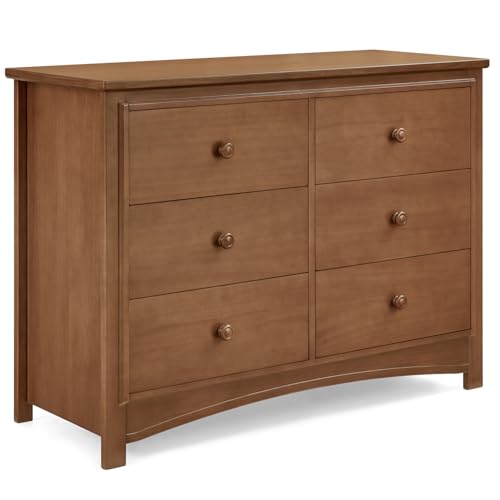
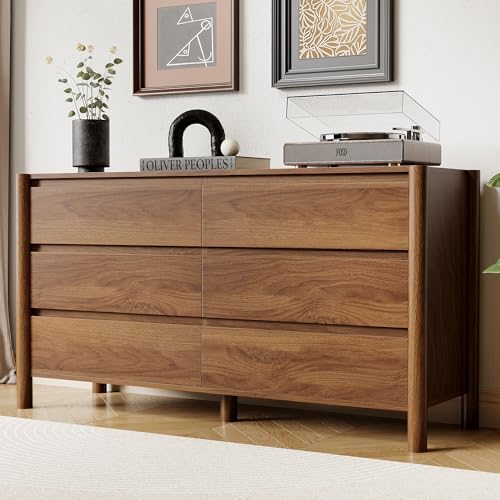
Chestnut Dresser: A Complete Guide to Warm Wood Storage
Discover the character, durability, and styling potential of chestnut dressers. Learn how to choose the right size, drawer layout, and finish for a bedroom that feels warm and organized.
Why chestnut? Chestnut wood brings a distinctive golden-brown to reddish-brown warmth with pronounced grain patterns that make each dresser unique. Whether you are furnishing a rustic retreat or a modern bedroom, a chestnut dresser can anchor the room with natural texture and practical storage. This guide walks you through the essentials so you can buy with confidence.
What Makes a Chestnut Dresser Distinctive?
Chestnut dressers are defined by the wood's rich, earthy palette and visible grain. The species has historically been prized in furniture making for its stability and resistance to wear. Modern chestnut dressers may use solid chestnut, chestnut veneers over engineered wood cores, or finishes that replicate the look. Understanding the construction helps you match the piece to your expectations for durability and appearance.
- Warm color range: from honey-gold to deep reddish-brown, depending on finish and age.
- Pronounced grain: bold, swirling patterns that add visual interest without extra ornamentation.
- Solid or veneered construction: solid chestnut offers long-term durability; veneers provide stability and consistent grain matching.
- Versatile styling: fits rustic, farmhouse, traditional, and even modern interiors when paired thoughtfully.
Popular Chestnut Dresser Styles
Rustic & Farmhouse
Distressed finishes, plank-style fronts, and simple hardware let the natural grain take center stage. These chestnut dressers suit casual bedrooms and cottage-inspired spaces.
Traditional
Classic profiles with framed drawers, bracket feet, and warm-toned hardware. A traditional chestnut dresser brings timeless character to formal bedrooms.
Modern & Transitional
Clean lines, minimal hardware, and a smooth chestnut finish create a contemporary look that still feels warm and inviting.
Mid-Century Inspired
Tapered legs, horizontal proportions, and understated pulls highlight the wood's natural beauty in a retro-modern context.
Chestnut Dresser Quality Tiers
When comparing chestnut dressers, construction quality matters more than any single feature. Use this tier framework to evaluate options relative to one another.
| Tier | Typical Construction | Best For |
|---|---|---|
| Entry-level | Engineered wood core with chestnut-look veneer, basic drawer slides, lighter hardware. | Guest rooms, first apartments, and spaces where the dresser is a secondary storage piece. |
| Mid-range | Thicker veneers or solid wood fronts, smoother metal slides, reinforced joinery, and better drawer alignment. | Primary bedrooms where daily use demands reliable performance and a consistent look. |
| Premium | Solid chestnut or high-grade veneer with solid wood drawer boxes, soft-close or heavy-duty slides, and hand-finished details. | Long-term use, design-focused bedrooms, and buyers who value craftsmanship and durability. |
| Luxury | Fully solid chestnut construction, traditional joinery, premium hardware, and artisanal finishing. | Statement furniture pieces intended to be passed down or anchor a high-end bedroom design. |
Choosing the Right Size and Drawer Layout
The right chestnut dresser depends on your room dimensions and what you plan to store. Measure your available wall space, account for door swing and walkways, and think about how you organize clothing.
- Small dressers: ideal for tight bedrooms, nurseries, or as a secondary storage piece. Look for compact widths and fewer drawers.
- Tall chests: maximize vertical storage without consuming much floor space—great for small rooms with limited footprint.
- Wide dressers: provide generous top surface for decor and mirrors while offering broad drawers for folded clothing.
- Drawer count: 3–5 drawers suit individuals; 6–9 drawers work well for couples or families needing segmented storage.
If you are comparing storage types, our guide on dresser vs chest of drawers explains the key differences and helps you decide which form fits your routine. For compact rooms, explore small dressers that still deliver practical capacity.
Materials, Finishes, and Durability
Chestnut dressers vary widely in construction. Solid chestnut offers a long-term investment with natural aging character. Veneered chestnut provides stable, consistent grain and is often used in mid-range pieces. Always check drawer box construction, slide quality, and joinery—these details determine how the dresser performs over years of use.
Finish choices range from natural oiled looks that highlight raw grain to stained and lacquered surfaces that deepen the color. Lighter finishes suit airy, Scandinavian-inspired rooms, while darker stains pair well with traditional and rustic decor. For more on wood options, browse our materials and finishes section.
Styling a Chestnut Dresser in Your Bedroom
Chestnut's warm tone is a natural backdrop for a range of decor styles. Keep the top surface purposeful: a mirror, a table lamp, and a small tray for daily items. Layer in textures such as linen, woven baskets, and ceramic accents. Brass and warm metals complement chestnut particularly well, while matte black hardware adds contrast.
For bedroom layout inspiration, see our bedroom dresser ideas. If you are furnishing a nursery, consider a nursery dresser that combines safety and storage.
Chestnut Dresser Buying Checklist
- Measure your space and confirm door clearance before choosing a width.
- Decide between solid chestnut and veneered construction based on your long-term expectations.
- Test drawer slides in person if possible, or read reviews about smoothness and alignment.
- Check for anti-tip hardware, especially for tall chests and family homes.
- Consider the finish's maintenance requirements and how it will age in your climate.
- Plan the dresser top layout before buying so you know how much surface area you need.
Ready to Explore Chestnut Dresser Options?
Browse a curated selection of chestnut dressers and storage pieces to find the right fit for your bedroom.
View RecommendationsFrequently Asked Questions
Is chestnut a good wood for bedroom furniture?
Chestnut is a durable hardwood with attractive grain and warm color. It works well for dressers, especially when construction quality is high. Solid chestnut pieces are long-lasting, while veneered versions offer stability and a consistent appearance.
How do I care for a chestnut dresser?
Dust regularly with a soft cloth and avoid harsh chemicals. Use coasters for drinks and keep the dresser away from direct sunlight to minimize fading. For solid wood, apply a appropriate furniture conditioner occasionally according to the manufacturer's guidance.
Does chestnut match other bedroom furniture?
Chestnut pairs well with neutral tones, cream, sage, and navy. It also complements metals like brass and bronze. If you have other wood pieces, keep tones within a similar warmth range for a cohesive look.
What size chestnut dresser is best for a small bedroom?
For small rooms, a tall chest or a compact 3–5 drawer dresser preserves floor space while providing vertical storage. Measure your wall and leave at least 24 inches of clearance for walking and drawer access.