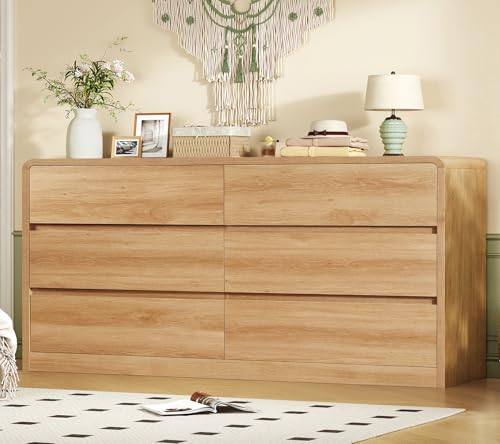
Light Colored Chest of Drawers: The Complete Buying Guide
A light colored chest of drawers is one of the most effective ways to brighten a bedroom while adding serious storage. Pale finishes — from crisp white and soft cream to light oak, pale grey, and natural wood — reflect daylight, make compact rooms feel larger, and blend effortlessly with modern, Scandinavian, farmhouse, and coastal interiors. This guide walks you through every decision you need to make: finish options, drawer count, size and placement, construction quality, hardware, and organization. By the end, you will know exactly which light chest of drawers fits your space and how to choose one that lasts.
Why Choose a Light Colored Chest of Drawers?
Light finishes are not just a trend — they solve real design problems. In a small bedroom, a pale chest of drawers visually recedes, making the room feel open rather than cramped. In a dark room with limited natural light, a white or cream chest bounces daylight around the space and lifts the whole palette. And because light tones are neutral, they pair easily with almost any wall color, bedding, and flooring.
Practicality matters too. Light wood finishes such as oak and ash show dust less than glossy dark surfaces, and a natural wood grain hides minor scuffs far better than a high-gloss paint. If you want a storage piece that stays looking fresh with minimal upkeep, a light colored chest of drawers is a strong long-term choice.
Light chests also work across rooms. A compact white chest suits a nursery or guest room, a light oak piece anchors a Scandinavian bedroom, and a pale grey chest can double as a hallway or living room console. If you are still deciding between a dresser and a taller chest, our comparison of dresser vs chest of drawers explains the key differences in height, footprint, and storage layout.
Design tip: Pair a light chest of drawers with a darker accent — a walnut nightstand, black metal lamp, or warm brass hardware — to keep the room from feeling washed out. Contrast makes pale finishes look intentional rather than plain.
Light Finish Options Compared
The word "light" covers a wide range of tones and materials, and each behaves differently in terms of maintenance, durability, and style. Here is how the most common options compare.
White and Off-White
Bright white is the most reflective option and works best in modern and coastal bedrooms. Crisp white painted finishes can show scuffs and fingerprints, so look for a satin or semi-matte topcoat rather than high gloss. Soft off-white and ivory are more forgiving and feel warmer in traditional rooms.
Cream, Ivory, and Antique White
Cream finishes add warmth without darkening a room. They suit farmhouse, French provincial, and cottage styles and pair beautifully with natural linen bedding. Cream hides minor marks better than pure white and tends to age gracefully.
Light Grey and Greige
Pale grey is a versatile middle ground that reads as neutral while adding subtle depth. It works well in contemporary bedrooms and blends with both cool and warm palettes. For a coordinated look, a light grey dresser can be matched with a complementary nightstand set.
Light Oak and Natural Wood
Light oak, ash, birch, and maple bring texture and warmth that painted finishes cannot match. Natural grain hides scratches well, and a clear matte or water-based finish keeps the wood looking fresh for years. Light oak is the most popular choice for Scandinavian and Japandi interiors; explore our light oak dresser guide for finish and care details.
Pale Green, Pink, and Pastel Accents
If you want personality, soft pastels such as sage green, blush pink, and pale blue are increasingly common on light chests. A light green dresser or a light pink dresser can become the focal point of a nursery or guest room. Pastels show wear slightly more than neutrals, so choose a durable painted or lacquered finish. For a smooth, easy-clean surface, a lacquer dresser is worth considering.
Size, Height, and Drawer Count
A chest of drawers is defined by its vertical orientation — it is taller than it is wide, with drawers stacked in a column. That makes it ideal for narrow walls, alcoves, and bedrooms where floor space is limited. Before you choose, measure the wall width, the available depth, and the clearance needed to open the drawers fully.
Typical Chest Dimensions
- Compact chest: roughly 60–80 cm wide with three to four drawers — suited to small bedrooms, nurseries, and closets.
- Standard chest: roughly 80–100 cm wide with four to five drawers — the most versatile size for a primary bedroom.
- Tall chest (tallboy): roughly 100–120 cm wide with five to six drawers — maximum storage in a modest footprint.
Drawer Count and What It Holds
Four drawers typically cover everyday clothing for one person: tops, bottoms, undergarments, and a deeper bottom drawer for knitwear or linens. Five and six-drawer chests allow finer separation — one drawer for socks and accessories, one for workout wear, and a deep base drawer for bulky items. If your storage needs are heavier, compare a light chest with a wider option such as a light wood chest of drawers or a large capacity chest of drawers.
Placement Considerations
In a compact bedroom, a chest of drawers often sits beside the bed in place of a nightstand, or against the wall opposite the bed. Leave at least 60 cm of walking space in front of the drawers. In a closet, a low or narrow chest maximizes vertical storage without blocking hanging space; our guides on a low chest of drawers for closet and a low dresser for closet cover fit and layout in detail.
Construction and Material Quality
A light finish can hide poor construction, so look beyond the surface. The choices below determine how long your chest of drawers stays sturdy, quiet, and aligned.
Drawer Glides and Runners
Entry-level chests often use wooden runners or basic side-mounted glides that can stick over time. Mid-range models typically add ball-bearing side glides for smoother movement, while premium and top-tier pieces use soft-close undermount glides that feel refined and protect the cabinet from slamming. For heavy clothing loads, look for glides rated for higher drawer weights — the same principle behind heavy-duty drawer slides.
Drawer Box Construction
Dovetail joints signal a well-built drawer box that will resist racking and separation. Stapled or glued joints are common in starter-tier furniture and may loosen with heavy use. Look for drawers with finished interiors and a clear, smooth surface that will not snag clothing.
Frame and Back Panel
A solid frame with a reinforced back panel keeps the chest square and prevents wobble. Solid wood, high-grade engineered wood, or a well-made combination of both are all acceptable — what matters is that the case is rigid and the corners are properly joined. Avoid pieces with thin, unsupported back panels that flex when the chest is moved.
Finish Durability
On painted and lacquered light finishes, check for a sealed topcoat that resists moisture and staining. Natural wood should have a protective matte or satin finish rather than raw, unfinished timber. If you plan to place the chest near a window, choose a finish with UV resistance to slow fading.
Quality check: Open and close every drawer in the showroom or read reviews that mention drawer alignment after assembly. A well-built chest should glide evenly with one hand and close flush without force.
Hardware and Style Coordination
Hardware is the easiest way to change the personality of a light chest of drawers. On a white or cream finish, brass and gold pulls add warmth and a touch of luxury, while matte black hardware creates a crisp modern contrast. Brushed nickel and pewter keep the look cool and minimal.
Consider the rest of the room before choosing. If your bed frame is light oak and your lamps are brass, warm metal pulls will tie the scheme together. If the room leans industrial or minimalist, matte black bar pulls are a safe, sharp choice. Light wood chests with contrasting black hardware are especially popular for modern and mid-century looks; see our guide to a light wood dresser with black hardware for inspiration.
Also think about function. Bar pulls are easy to grip with one hand, knobs suit shallow drawers for accessories, and cup pulls work well on deeper drawers. If you plan to update hardware later, confirm that the chest uses standard screw spacing so replacement pulls fit without drilling.
Organizing a Light Chest of Drawers
A light chest of drawers is easier to keep tidy when every drawer has a job. A simple system is to assign the top drawer to small items such as socks, undergarments, and accessories; the middle drawers to folded tops, bottoms, and workout wear; and the bottom drawer to knitwear, linens, or off-season items. Labeling drawers inside the chest keeps the system consistent.
Drawer dividers and shallow trays are especially useful in a tall chest because they stop small items from sliding to the back. Use breathable drawer liners on natural wood interiors to protect the surface and reduce dust. For a deeper dive into folding techniques and seasonal rotation, read our dresser organization guide and our ideas for drawer organization.
Light finishes also make a chest a natural display surface. Keep the top uncluttered with a small tray, a lamp, and one decorative object; anything more can make even a pale chest look busy. If you need extra storage, a light wood 6 drawer dresser provides more capacity without changing the airy look.
Quality Tiers Explained
Instead of focusing on numbers, compare chests of drawers by where they sit in the market. The table below summarizes what each tier typically delivers so you can match construction quality to your needs.
| Tier | Typical Construction | Best For |
|---|---|---|
| Entry-level | Engineered wood case, stapled drawer boxes, basic side glides, painted or laminate finish | Guest rooms, dorms, first apartments, light-duty storage |
| Mid-range | Solid wood or high-grade engineered case, dovetail or reinforced joints, ball-bearing glides, sealed finish | Primary bedrooms, nurseries, everyday use for one to two people |
| Premium | Solid wood case, dovetail drawer boxes, soft-close undermount glides, premium paint or natural wood finish | Long-term bedroom investment, heavy daily use, design-led interiors |
| Luxury / top-tier | Hardwood construction, hand-finished surfaces, precision joinery, commercial-grade hardware | Statement pieces, high-end interiors, collectors of fine furniture |
As a rule, mid-range models usually offer noticeably smoother glides and better drawer alignment than entry-level pieces, while premium and top-tier chests add refined soft-close mechanisms and more durable finishes. Choose the tier that matches how heavily the chest will be used and how long you plan to keep it.
Frequently Asked Questions
What is a light colored chest of drawers?
A light colored chest of drawers is a tall, vertical storage piece with multiple stacked drawers finished in pale tones such as white, cream, light grey, light oak, or natural wood. It is designed to brighten a room and create an airy, spacious feel.
What rooms work best with a light colored chest of drawers?
Light colored chests of drawers work especially well in small bedrooms, nurseries, guest rooms, and coastal or Scandinavian-inspired interiors because pale finishes reflect light and make spaces feel larger and more open.
How many drawers should a light chest of drawers have?
Most chests of drawers range from four to six drawers. A four-drawer chest suits lighter storage needs, while a five or six-drawer design offers more capacity for clothing, linens, and accessories without overwhelming a compact room.
Do light colored chests of drawers show scratches easily?
Painted and laminate light finishes can show scuffs and scratches more readily than dark wood, while light oak and natural wood hides minor marks well. Choosing a durable finish and using felt pads and drawer liners helps protect the surface over time.
Can a light chest of drawers replace a dresser?
Yes. A chest of drawers offers the same clothing storage in a taller, narrower footprint, making it a good replacement for a dresser in small bedrooms or closets. If you need a wider surface for display, a dresser may still be the better fit.