Dresser Drawer Pulls: The Complete Guide to Styles, Materials & Upgrades
Drawer pulls are the finishing touch that transforms a plain dresser into a statement piece. Learn how to choose the right style, size, material, and finish for your dresser hardware upgrade.
Explore Pull StylesWhy drawer pulls matter: The right dresser drawer pulls can modernize an old dresser, improve daily function, and tie a bedroom's design together. The wrong ones can feel awkward in the hand, clash with your decor, or even fail under the weight of heavy clothing.
This guide walks you through pull types, materials, finish matching, sizing, installation, and maintenance — so you can choose hardware that looks great, feels comfortable, and lasts for years.
Drawer Pull Styles: Find Your Match
Style is the first thing people notice, but it also determines how comfortable the pull feels in your hand. Here are the most common styles found on dressers today:
Bar Pulls
Sleek and linear, bar pulls suit modern, transitional, and minimalist dressers. They offer a comfortable grip and a clean, architectural look that works in nearly any bedroom.
Bail Pulls
The swing-handle bail pull is a traditional favorite on antique and farmhouse dressers. It adds vintage character and pairs beautifully with wood grain and painted finishes.
Knobs
Round or square knobs are the most common dresser hardware. They are easy to install, work with any dresser organization setup, and can be swapped in minutes to refresh a room.
Cup Pulls
Cup pulls offer a recessed, understated look with a comfortable finger hold. They are ideal for traditional and transitional dressers and hide mounting screws neatly.
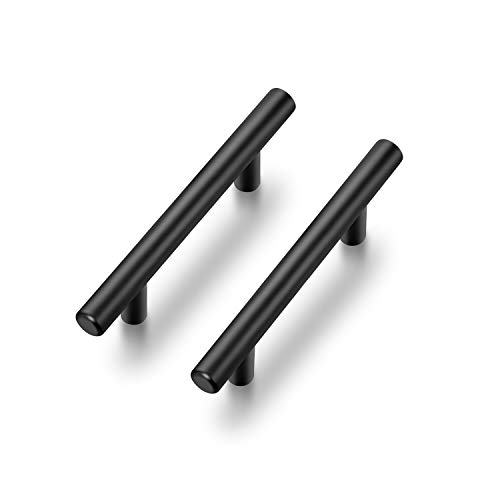
T-Bar Pulls
Short, perpendicular handles that make a bold, industrial impression. T-bars are excellent for modern and mid-century dressers and are easy to grip on deep drawers.
Drop Pulls
Pendant-style drop pulls add elegance to antique and vintage dressers. They are best for light-use drawers, as they can be less comfortable for heavy daily pulling.
Materials & Finishes: Choosing Hardware That Lasts
The material determines durability, feel, and how the finish holds up over time. Here is how the most common pull materials compare:
| Material | Durability Tier | Best For | Finish Notes |
|---|---|---|---|
| Solid Brass | Top-tier / luxury | Heirloom dressers, high-traffic drawers | Develops a natural patina; can be lacquered to preserve shine |
| Stainless Steel | High-end tier | Modern and industrial dressers | Rust-resistant and easy to clean; brushed or polished options |
| Zinc Alloy | Mid-range | Everyday bedroom dressers | Often plated in chrome, nickel, or gold tones; solid value for the tier |
| Iron / Cast Metal | Mid-tier / heavy-duty | Rustic and farmhouse pieces | Powder-coated or distressed finishes; very sturdy feel |
| Wood | Entry-level to mid-range | Nursery and children's dressers, DIY projects | Can be painted or stained to match; warm, organic feel |
| Acrylic / Resin | Essential tier | Light-use decorative updates | Wide color range; best for visual refresh rather than heavy use |
| Ceramic / Porcelain | Mid-range | Vintage-style knobs and accent drawers | Hand-painted options add character; handle with care |
For a deeper look at coordinating knobs, handles, and pulls across a whole piece, see our dresser knobs and dresser handles guides. If you are planning a full refresh, the dresser hardware guide covers mixing metals and matching finishes room-wide.
Sizing & Spacing: Get the Fit Right
Pull size should match drawer width and your hand's natural grip. Use these guidelines before you order:
- Measure center-to-center spacing. This is the distance between the two mounting holes. Most pulls are sold by this measurement, so confirm it before shopping.
- Match pull length to drawer width. A pull should be roughly one-third to one-half the width of a wide drawer for balanced proportions. Narrow drawers can use a single knob or short pull.
- Check drawer front thickness. Longer screws may be needed for thick fronts; most pulls include screws for standard thickness.
- Leave comfortable clearance. Ensure the pull does not crowd the drawer edge or bump an adjacent piece of furniture when opened.
- Consider deep drawers. On deep or heavy drawers, a longer bar pull distributes force better and feels easier to open.
If you are installing pulls on a new or replacement drawer, our guide to drawer fronts explains how front construction affects hardware placement. For heavy dressers that need smoother glide, pair quality pulls with the right heavy-duty full-extension drawer slides.
Matching Pulls to Your Dresser & Decor
Finish selection can make or break the look. Here is how to coordinate pulls with common dresser styles and room palettes:
Modern & Minimalist
Choose matte black, brushed nickel, or slim bar pulls in stainless steel. Keep lines clean and avoid ornate detailing for a cohesive look.
Farmhouse & Rustic
Oil-rubbed bronze, distressed iron, and cup pulls pair naturally with painted and reclaimed wood dressers. A slightly aged finish adds warmth.
Mid-Century Modern
Brass and walnut-toned pulls, tapered bar pulls, and simple round knobs complement the clean geometry of mid-century pieces.
Traditional & Vintage
Crystal, ceramic, and antique brass knobs suit traditional dressers. Bail and drop pulls reinforce period authenticity.
For broader color direction, our dresser color ideas guide shows how hardware tones interact with painted and natural wood finishes. If you are refreshing an older piece, the dresser makeover ideas collection includes hardware swap projects.
Installation: A Step-by-Step Overview
Replacing drawer pulls is one of the simplest furniture upgrades. Follow this sequence for a clean, secure result:
- Gather tools: screwdriver, drill with the correct bit size, tape measure, pencil, and the new pulls with mounting screws.
- Remove old hardware. Keep the screws; they can help you confirm hole spacing if you are reusing existing holes.
- Mark new holes. Use the pull itself or its template to mark center-to-center points. Double-check with a tape measure before drilling.
- Drill pilot holes. Use a bit slightly smaller than the screw diameter to prevent splitting, especially on solid wood fronts.
- Attach pulls. Hand-tighten screws; avoid overtightening, which can crack wood or strip threads.
- Test function. Open and close each drawer to confirm smooth operation and comfortable grip.
If existing holes do not line up with new pulls, you may need to fill and re-drill, or choose pulls with the same center-to-center spacing. When replacing an entire drawer, check our guide to drawer pulls for broader compatibility notes.
Care & Maintenance for Long-Lasting Hardware
Proper care keeps pulls looking sharp and functioning smoothly:
- Wipe regularly with a soft, damp cloth to remove dust and oils from hands.
- Avoid harsh cleaners on plated and lacquered finishes; mild soap and water are usually sufficient.
- Dry immediately after cleaning to prevent water spots, especially on brass and steel.
- Check screws periodically and tighten as needed; loose pulls can wobble and enlarge screw holes over time.
- Re-lacquer bare brass if you prefer a bright finish; unlacquered brass will naturally patina.
For related storage and organization upgrades, explore our drawer organizers and drawer dividers guide to complete a full dresser refresh.
Frequently Asked Questions
Can I replace dresser knobs with pulls?
Yes, but the mounting holes may not align. Knobs usually use a single screw, while pulls typically use two. You may need to fill old holes and drill new ones, or choose pulls that match the existing hole spacing.
What is the most durable material for drawer pulls?
Solid brass and stainless steel are generally the most durable options. Brass can develop a patina, while stainless steel offers excellent rust resistance and is easy to maintain.
How do I measure for new drawer pulls?
Measure the center-to-center distance between the existing mounting holes. If you are drilling new holes, measure the drawer width and choose a pull proportional to it, then mark the new centers carefully.
Can I mix knobs and pulls on the same dresser?
Absolutely. A common approach is knobs on smaller drawers and bar pulls on larger ones. Keep finishes consistent or use a deliberate two-tone scheme for a cohesive look.
Do drawer pulls come with screws?
Most pulls include mounting screws, but screw length varies. For thick drawer fronts or unusual construction, you may need to source longer screws separately.
Ready to Upgrade Your Dresser Hardware?
Browse our curated selection of drawer pulls and dresser hardware to find the perfect finish, style, and size for your bedroom upgrade.
View Recommended PullsContinue Exploring
Deepen your dresser knowledge with these related guides: dresser buying guide, dresser quality guide, dresser hardware, drawer organizers, and drawers overview.