Dresser Feet: The Complete Guide to Styles, Materials & Replacement
Dresser feet may look like a small detail, but they affect stability, floor protection, cleaning access, and the overall style of your bedroom furniture. Learn how to identify, choose, and replace dresser feet with confidence.
Explore Dresser Feet TypesWhat Are Dresser Feet?
Dresser feet are the supports attached to the bottom of a dresser, chest, or similar storage furniture. They raise the body of the piece off the floor, providing stability and protecting both the furniture base and your flooring. While some modern dressers use a plinth or recessed base instead of individual feet, traditional and many contemporary designs rely on distinct feet or legs.
Dresser feet come in many shapes and sizes, from short bun feet to tall tapered legs. The right choice depends on the dresser's weight, the intended room, the floor type, and the design style you want to achieve. If you are comparing furniture categories, our dresser buying guide explains how feet fit into the broader decision-making process.
Types of Dresser Feet
Understanding the main categories of dresser feet helps you match a replacement or choose a new piece with the right foundation. Here are the most common types you will encounter.
Bun Feet
Rounded, ball-like feet that add a traditional, warm look. Common on antique and vintage dressers. They offer good stability and are often made of solid wood.
Tapered Legs
Legs that narrow toward the bottom, often seen in mid-century modern and Scandinavian designs. They create a light, airy appearance and are usually taller than bun feet.
Straight Block Feet
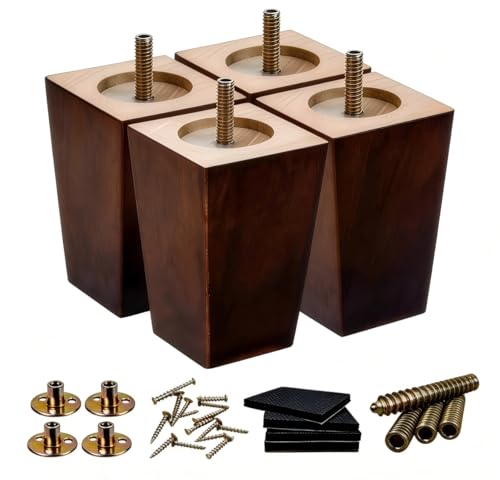
Simple, square or rectangular feet that suit modern and contemporary dressers. They provide a clean, grounded look and are easy to replace.
Turned Feet
Feet with carved or lathe-turned profiles, often found on traditional and French provincial pieces. They add ornamental detail and craftsmanship.
Metal Feet
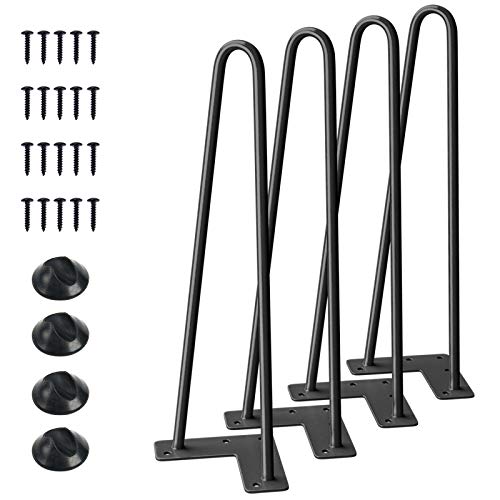
Steel or iron feet that suit industrial, modern, and loft-style interiors. They are durable, easy to clean, and often adjustable for uneven floors.
Leveling Feet
Feet with a threaded stem that can be adjusted in height. Ideal for uneven floors and heavier dressers that need extra stability.
If you are working on a specific style, our guides on distressed dressers and dresser makeover ideas show how feet contribute to the overall character of a piece. For those restoring an older item, dresser restoration covers how to source period-appropriate feet.
Dresser Feet Materials: Wood vs. Metal vs. Plastic
The material of your dresser feet influences durability, weight capacity, and how the piece interacts with your floor. Here is a comparison of the most common options.
| Material | Best For | Durability | Style Match |
|---|---|---|---|
| Solid Wood | Traditional, vintage, and mid-range to premium dressers | High — can be sanded and refinished | Bun feet, tapered legs, turned feet |
| Engineered Wood | Entry-level and mid-tier dressers | Moderate — prone to moisture damage | Block feet, simple modern shapes |
| Steel / Iron | Industrial and heavy-duty applications | Very high — rust-proof finishes available | Straight legs, hairpin legs, adjustable feet |
| Plastic / Composite | Entry-level and lightweight dressers | Moderate — can crack under heavy loads | Basic block feet, glides |
For a deeper look at construction quality, see our dresser quality guide. If you are choosing feet for a specific finish, the dresser hardware guide explains how feet, handles, and knobs can be coordinated for a cohesive look.
Dresser Feet Height and Floor Clearance
The height of dresser feet is more important than many people realize. It affects:
- Cleaning access: Taller feet make it easier to vacuum or sweep underneath the dresser.
- Air circulation: Good clearance helps prevent moisture buildup, which is especially useful in humid climates.
- Stability: Very tall feet on a heavy dresser can reduce stability unless they are reinforced or paired with a wider base.
- Style: Low bun feet feel traditional and grounded, while tall tapered legs feel modern and airy.
As a general guideline, low-profile feet under 3 inches suit heavy traditional dressers, while mid-height feet between 3 and 6 inches offer a balance of stability and cleaning access. Taller legs above 6 inches are best reserved for lighter pieces or designs where the frame is engineered for that height. Always check that replacement feet match the original mounting and load requirements.
For space-conscious rooms, our dresser for small spaces guide explains how foot height and footprint interact with tight layouts.
How to Replace Dresser Feet
Replacing dresser feet is a manageable DIY project if you follow the right steps. Whether you are swapping damaged feet or upgrading the style, here is a practical process.
- Empty the dresser: Remove drawers and contents to reduce weight and make the piece easier to tip or access.
- Identify the mounting type: Feet are usually attached with screws, bolts, dowels, or a mounting plate. Check whether the old foot is threaded, bolted, or glued.
- Measure the old foot: Note the height, width, and thread size or bolt diameter so the replacement fits correctly.
- Remove the old foot: Unscrew or unbolt it carefully. If it is glued, use a putty knife and gentle pressure to avoid damaging the frame.
- Prepare the mounting point: Clean the area and check for stripped holes. Wood filler or a threaded insert may be needed for a secure fit.
- Install the new foot: Hand-tighten bolts and check that all feet are level. Adjustable feet can compensate for minor unevenness.
- Test stability: Gently push the dresser from several sides to confirm it does not wobble.
If you are also refreshing the drawers, our heavy-duty full-extension drawer slides guide covers upgrade options that pair well with a restoration project. For hardware coordination, see dresser handles and dresser knobs.
Ready to Upgrade Your Dresser?
Explore our recommended dresser feet and storage solutions below. Whether you need replacement feet, a new dresser, or organization accessories, we have curated options to help you finish the project.
View Recommended OptionsSafety Considerations for Dresser Feet
Dresser feet play a role in furniture safety, especially for taller and heavier pieces. Keep these points in mind:
- Tip-over risk: Tall dressers with small feet can be less stable. Always use anti-tip straps or wall anchors for dressers over a certain height.
- Floor protection: Felt pads or rubber glides on the bottom of feet protect hardwood and laminate floors from scratches.
- Weight distribution: Ensure all feet make contact with the floor. A single short foot can create a wobble that stresses the frame over time.
- Child safety: In nurseries and children's rooms, choose stable feet and secure the dresser to the wall. Our dresser for children's room guide covers additional safety tips.
For nursery-specific guidance, see dresser for nursery natural wood and dresser for newborn.
Matching Dresser Feet to Your Decor Style
The right feet can tie a dresser into your existing decor or make a standalone statement. Here are some style pairings:
- Modern and minimalist: Straight block feet or slim metal legs in matte black or brushed steel.
- Mid-century modern: Tapered wooden legs, often in walnut or teak finishes. Our mid-century modern double dresser guide shows how legs contribute to that look.
- Farmhouse and rustic: Chunky wood block feet or turned feet in natural or painted finishes. See distressed white dresser for inspiration.
- Industrial: Hairpin legs or thick steel feet with a raw or powder-coated finish.
- Traditional: Bun feet or turned feet in solid wood that match the dresser's finish.
If you are planning a full bedroom refresh, our dresser and nightstand set guides can help you coordinate feet across multiple pieces. For color direction, see dresser color ideas.
Common Dresser Feet Problems and Fixes
Over time, dresser feet can loosen, crack, or wear down. Here is how to address the most common issues:
- Wobbly dresser: Check whether one foot is shorter or loose. Adjustable feet or felt shims can level the piece. Tighten bolts and inspect for stripped threads.
- Cracked wooden foot: Small cracks can be glued and clamped. Large cracks or splits usually require replacement.
- Scratched floor: Add felt pads or replace worn glides. Metal feet should have rubber caps if used on hardwood.
- Rust on metal feet: Light rust can be removed with fine steel wool and a rust-proof coating. Severe rust may warrant replacement.
- Loose mounting: Wood filler and a threaded insert can restore a stripped screw hole. For heavy dressers, consider a mounting plate.
If the dresser itself needs attention, our dresser restoration and dresser makeover guides cover refinishing and repair techniques.
Dresser Feet Buying Checklist
Before you choose replacement or new dresser feet, run through this checklist:
- Measure the old foot height, width, and mounting type.
- Confirm the weight capacity needed for your dresser.
- Match the material to your floor type and climate.
- Decide whether you need fixed or adjustable feet.
- Check that the style complements the dresser and room decor.
- Plan for floor protection with felt pads or rubber glides.
- Verify safety requirements, especially for tall dressers.
For broader furniture selection, our dresser buying guide and dresser quality guide provide additional context. If you are outfitting a closet, see dresser for closet and dresser for inside small closet.
Frequently Asked Questions About Dresser Feet
Can I replace dresser feet without special tools?
Most dresser feet can be replaced with a screwdriver, wrench, or Allen key. The key is identifying the mounting type and matching the replacement. If the old mounting is damaged, wood filler and a threaded insert may be needed.
How do I know what size dresser feet I need?
Measure the height, width, and bolt or thread diameter of the existing foot. If you are choosing a new height, consider cleaning access and stability. Taller feet suit lighter dressers, while shorter feet suit heavy traditional pieces.
Are metal dresser feet stronger than wood?
Metal feet generally offer higher load capacity and are less prone to cracking. However, well-made solid wood feet are very durable and can be refinished. The best choice depends on the dresser's weight and the style you want.
How can I stop my dresser from wobbling?
Check that all feet are tight and make contact with the floor. Adjustable feet or shims can correct minor unevenness. If a foot is cracked or stripped, replace it. Anti-tip straps are recommended for tall dressers regardless of foot condition.
Do dresser feet damage hardwood floors?
Bare wood or metal feet can scratch hardwood over time. Add felt pads or rubber glides to protect the floor. Avoid dragging the dresser; lift or use furniture sliders when moving it.