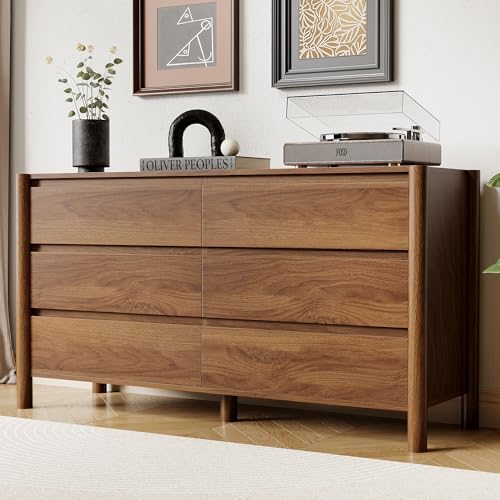
Brown Oak Dresser: The Complete Guide
Explore why a brown oak dresser remains one of the most trusted bedroom storage investments. From grain patterns and drawer configurations to finish options and long-term care, this guide gives you everything you need to choose with confidence.
Start the Buying GuideWhy brown oak? Oak is a hardwood prized for its density, pronounced grain, and ability to age gracefully. A brown oak dresser brings warmth to a bedroom while offering the structural integrity that softer woods cannot match. Whether you are furnishing a primary suite, a guest room, or a nursery, understanding the nuances of brown oak helps you make a decision you will be happy with for years.
What Defines a Brown Oak Dresser?
A brown oak dresser is a storage chest built primarily from oak hardwood and finished in a brown tone, ranging from light honey-brown to deep espresso. The "brown" designation can come from the natural heartwood color, a stain, or a reactive finish that deepens the wood's character. Unlike painted or veneered pieces, a genuine brown oak dresser displays the wood's natural grain, medullary rays, and subtle color variation across each drawer front and panel.
Oak falls into two main categories used in furniture: red oak and white oak. Red oak tends to have a warmer, slightly pinkish-brown tone with an open grain, while white oak is denser, more water-resistant, and often finished in cooler browns or greige tones. Both are excellent choices, but the distinction matters when you are matching existing furniture or planning a room's color palette. For buyers exploring broader options beyond oak, our dressers hub covers materials, styles, and configurations across the category.
Solid Oak Construction
Solid oak frames and drawer fronts deliver superior durability, resistance to warping, and the ability to be refinished if the surface ever shows wear.
Natural Grain Character
Each brown oak dresser is unique. Grain patterns, knots, and ray flecks tell the story of the tree and give the piece a warmth that manufactured materials cannot replicate.
Versatile Brown Palette
Brown oak spans honey, chestnut, walnut-toned, and espresso finishes, making it compatible with farmhouse, modern, transitional, and rustic interiors alike.
Long-Term Investment
Oak is a hardwood that holds up to daily use. A well-constructed brown oak dresser can serve multiple rooms and even multiple generations with proper care.
Popular Styles and Brown Oak Finishes
Brown oak dressers are not limited to one aesthetic. The finish you choose determines how the piece reads in your bedroom, so it helps to know the most common options before you shop.
Honey and Natural Brown
A clear or lightly toned finish that lets the oak's natural color shine. This is the most traditional look and pairs beautifully with farmhouse, cottage, and Scandinavian-inspired rooms. Natural brown oak tends to brighten a space and works well with light walls and linen bedding.
Chestnut and Medium Brown
A mid-tone stain that adds richness without going dark. Medium brown oak dressers are versatile and suit transitional bedrooms, home offices, and guest rooms. If you are coordinating with a brown dresser with mirror, a medium stain often provides the most flexibility for matching frames and accents.
Espresso and Dark Brown
Deep brown and espresso finishes give oak a more formal, contemporary feel. Dark brown oak dressers anchor a room and pair well with brass hardware, dark bedding, and moody paint colors. For a coordinated bedroom look, explore espresso dressers to see how dark brown finishes are styled across different configurations.
Reactive and Smoked Finishes
Some premium brown oak dressers use reactive finishes that chemically darken the wood, creating depth and a slightly weathered appearance. These finishes celebrate the oak's texture and are popular in rustic and industrial-inspired bedrooms.
Finish tip: Always ask whether the brown tone comes from a stain, a reactive treatment, or the natural heartwood. Stained oak can be refinished or re-stained later; reactive finishes are more permanent but develop character over time.
Choosing the Right Drawer Configuration
The drawer layout of a brown oak dresser has a bigger impact on daily usability than most buyers expect. Think about what you store, how you fold, and how much floor space you can dedicate before deciding on a size.
Three and Four Drawer Dressers
Compact three- and four-drawer models work well in guest rooms, nurseries, and smaller bedrooms. A 3 drawer solid wood dresser offers a manageable footprint while still providing dedicated space for folded clothing. Four-drawer configurations add a little more capacity without demanding a wide wall.
Five and Six Drawer Dressers
Five- and six-drawer dressers are the most common bedroom workhorses. They balance capacity with a footprint that fits most standard bedrooms. If you are shopping specifically for oak, our guide to the 6 drawer oak chest of drawers breaks down interior dimensions and drawer-depth considerations.
Seven, Eight, and Nine Drawer Dressers
Larger families or buyers with extensive wardrobes often prefer seven-, eight-, or nine-drawer configurations. These pieces provide separate zones for tops, bottoms, delicates, and accessories. A 8 drawer dresser wood model is a strong choice when two people share a bedroom and need distinct storage zones.
Tall and Narrow Options
If wall width is limited, a tall brown oak dresser or chest may be the better fit. Tall configurations stack drawers vertically, preserving floor space. Browse 6 drawer tall chest of drawers for examples of how vertical storage can work in tight rooms.
Understanding Brown Oak Dresser Quality Tiers
Not every brown oak dresser is built to the same standard. Construction quality, joinery, drawer slides, and the proportion of solid wood all vary. The table below uses universal quality descriptors to help you compare products without relying on numeric figures.
| Tier | Typical Construction | Best For |
|---|---|---|
| Entry-Level | Oak veneer over engineered wood, basic side-mounted slides, minimal joinery detail. | Guest rooms, first apartments, and buyers who want the oak look with a lighter footprint. |
| Mid-Range | Solid oak drawer fronts with veneered side panels, smooth ball-bearing slides, dovetail or reinforced joints. | Primary bedrooms and family homes where daily use is expected. |
| Premium | Solid oak construction throughout, soft-close or full-extension slides, corner-blocked frames, hand-finished surfaces. | Buyers seeking a long-term investment and a piece that can be refinished over time. |
| Luxury | Select-grade oak, traditional joinery, custom hardware, artisan finishes, and limited production runs. | Design-focused bedrooms and buyers who value craftsmanship and exclusivity. |
A mid-range brown oak dresser usually offers the best balance of durability and craftsmanship for most households. Entry-level models are a reasonable starting point for low-traffic rooms, while premium and luxury tiers are worthwhile investments when the piece will be used daily for many years.
How to Choose a Brown Oak Dresser
Use the following checklist to narrow your options before you commit. Each point addresses a decision that buyers commonly overlook.
1. Measure Your Space First
Record the width, depth, and height of the wall where the dresser will sit, then account for door swings, closet access, and walking clearance. A dresser that is too deep can crowd a narrow room, while an undersized piece leaves unused wall space. Compare your measurements against the product dimensions listed for each model.
2. Confirm the Oak Content
"Oak dresser" can mean solid oak, oak veneer, or a mix. Check the product description for terms like "solid oak," "oak veneer," and "engineered wood core." Solid oak drawer fronts and frames are more durable and refinishable; veneers can be perfectly serviceable but are less forgiving of damage.
3. Evaluate Drawer Slides
Drawer slides determine how the dresser feels day to day. Basic side-mounted slides are functional, but ball-bearing and soft-close slides provide smoother operation and reduce wear. If you plan to store heavy items, look for slides rated for higher load capacities and full-extension travel.
4. Match the Finish to Your Room
Bring paint swatches or bedding photos when comparing finishes. Brown oak can lean warm, neutral, or cool depending on the stain. A finish that looks perfect in a showroom may read differently under your bedroom lighting, so compare samples whenever possible.
5. Plan for Hardware
Knobs and pulls are easy to swap later, but they affect the dresser's initial style. Brass and bronze hardware warm up brown oak, while matte black creates contrast. If you plan to customize, confirm that the drawer fronts use standard hole spacing.
6. Consider Assembly and Delivery
Some brown oak dressers ship fully assembled, while others require partial assembly. Check whether the piece includes anti-tip hardware and whether delivery includes placement in the room. For heavier solid oak models, in-room delivery is worth confirming before ordering.
Caring for a Brown Oak Dresser
Oak is durable, but a few simple habits keep a brown oak dresser looking its best for decades.
- Dust regularly with a soft, dry cloth to prevent grit from dulling the finish.
- Avoid direct sunlight for extended periods, which can fade or unevenly darken the wood over time.
- Use coasters and felt pads under lamps, plants, and decorative objects to prevent rings and scratches.
- Clean spills promptly with a slightly damp cloth, then dry immediately. Avoid soaking the wood.
- Reapply furniture wax or oil according to the manufacturer's recommendations if the finish is oil-based.
- Keep humidity stable where possible. Extreme swings can cause solid wood to expand or contract.
If the finish becomes worn, solid oak can be sanded and refinished, which is one of the strongest arguments for choosing solid wood over veneer. Many owners treat refinishing as an opportunity to update the brown tone to match a new room design. For broader organization strategies that complement your dresser, see our dresser guides covering drawer dividers, folding techniques, and seasonal rotation.
Frequently Asked Questions
Is brown oak a good choice for a bedroom dresser?
Yes. Oak is a dense hardwood that resists wear and holds up to daily use. Brown finishes hide minor scuffs better than very light finishes, and the natural grain adds warmth that suits most bedroom palettes.
What is the difference between red oak and white oak dressers?
Red oak has a warmer, slightly pinkish-brown tone and an open grain. White oak is denser, more water-resistant, and typically finished in cooler browns or greige tones. Both are durable; the choice usually comes down to color preference and room style.
How many drawers do I need in a brown oak dresser?
For one person, four to six drawers is typically sufficient. Couples sharing a bedroom often prefer seven or more drawers to keep storage zones separate. Consider drawer depth as well as count, since deep drawers hold bulkier items more efficiently.
Can a brown oak dresser be refinished?
Solid oak dressers can be sanded and refinished, allowing you to change the stain or refresh a worn surface. Veneered oak is more limited because sanding can damage the thin wood layer. Always confirm the construction before planning a refinishing project.
Does brown oak furniture match other wood tones?
Brown oak pairs well with walnut, cherry, and painted finishes when the undertones are coordinated. Medium brown oak is the most versatile; very dark espresso oak works best with contrasting lighter woods or painted accents.