Console Dresser: The Complete Guide to Slim, Versatile Storage
A console dresser is the quiet hero of well-designed homes. Long, slim, and shallow, it slips into narrow hallways, sits behind a sofa, anchors an entryway, or adds discreet bedroom storage without eating up floor space. This guide explains what a console dresser is, how it differs from a standard dresser, which sizes and materials work best, and how to choose the right one for your room before you commit.
Explore Recommended Console DressersWhat Exactly Is a Console Dresser?
A console dresser is a low-profile, wide chest of drawers designed to be placed against a wall or behind furniture. The defining traits are a long horizontal footprint, a shallow depth that keeps walkways clear, and a height that usually sits between a typical sofa back and a standard dresser top. In practice, it behaves like a hybrid: part storage furniture, part surface for decor, lighting, or a catch-all for keys and mail.
Unlike a traditional bedroom dresser, which prioritizes drawer volume, a console dresser prioritizes footprint efficiency. That makes it a natural fit for apartments, narrow corridors, and open-plan living spaces where every square foot matters. If you are weighing storage formats, our breakdown of dresser versus chest of drawers is a useful companion read, and our compact dresser overview covers even tighter footprints.
Console Dresser vs Standard Dresser: Key Differences
The distinction matters because the wrong choice leads to a piece that feels cramped or dominates a room. A standard dresser is typically deeper and taller, built to hold folded clothing in volume. A console dresser trades depth for length. It spreads storage across a wider surface, often with drawers arranged in two or three rows, and its shallow profile means it can sit in spaces where a full-depth dresser would block traffic.
- Footprint: Console dressers favor width over depth, making them ideal for hallways and narrow walls.
- Height: Most sit lower than a bedroom dresser, doubling as a display or staging surface.
- Drawer layout: Expect wider, shallower drawers rather than deep, bulky compartments.
- Placement flexibility: Suitable for entryways, living rooms, and dining areas, not just bedrooms.
If your priority is maximum clothing capacity, a full-size or tall dresser may serve you better. If your priority is a piece that works in a multi-purpose space, the console format wins.
Where a Console Dresser Works Best
The strength of this format is adaptability. Here are the rooms where it consistently earns its place.
Entryway and Hallway
A console dresser in the entryway gives you a landing zone for keys, mail, and bags, plus concealed storage for gloves, scarves, and small accessories. Because it stays shallow, it keeps the walkway clear. Pair it with a mirror above and a tray on top, and the space feels intentional rather than cluttered.
Behind the Sofa
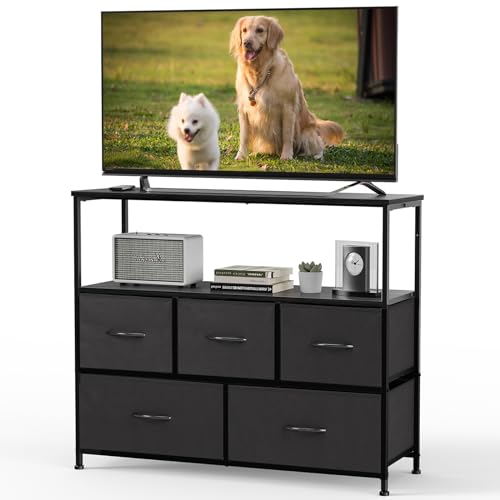
In open-plan living rooms, a console dresser placed behind a sofa creates a visual divider without blocking sightlines. It adds storage for throws, games, and media accessories while doubling as a surface for lamps or plants. The combination dresser and TV stand approach is a close cousin of this idea if you want the piece to serve double duty.
Bedroom and Guest Room
For smaller bedrooms, a console dresser offers clothing storage without crowding the bed. It suits guest rooms especially well, where deep drawer capacity is less critical than a clean, welcoming layout. If you are furnishing a compact bedroom, our small bedroom storage ideas guide pairs naturally with this format.
Dining Room and Living Area
A console dresser can hold linens, tableware, and serving pieces in a dining room, or board games and craft supplies in a living area. The dining room dresser guide explores this use case in more depth. For a sleeker, more contemporary look, a credenza dresser shares much of the same DNA.
How to Choose the Right Console Dresser
Choosing well comes down to four variables: dimensions, drawer configuration, material, and style. Work through them in that order, because each one constrains the next.
1. Measure the Footprint First
Length matters most. A console dresser should span a meaningful portion of the wall it sits against, but leave breathing room on either side. Depth is the critical constraint in hallways: measure the clear walkway you need to preserve, then subtract it from the corridor width. Height should relate to nearby furniture; behind a sofa, the top should sit slightly above or level with the sofa back.
2. Match Drawer Configuration to Use
Console dressers typically offer two or three rows of wide, shallow drawers. For clothing, look for a mix of drawer depths so you can separate bulky items from small accessories. For entryway use, a shallow top drawer keeps small items accessible while deeper lower drawers handle larger gear. Consider interior dividers if you plan to store jewelry, cables, or paperwork.
3. Choose a Material for Your Climate and Lifestyle
Solid wood offers durability and repairability, while engineered wood with a quality veneer delivers stability and consistent finishes. In humid climates, sealed finishes and moisture-resistant construction matter more than the raw material name. If you want a lighter visual weight, rattan dressers and bamboo dressers bring texture without bulk.
4. Pick a Style That Anchors the Room
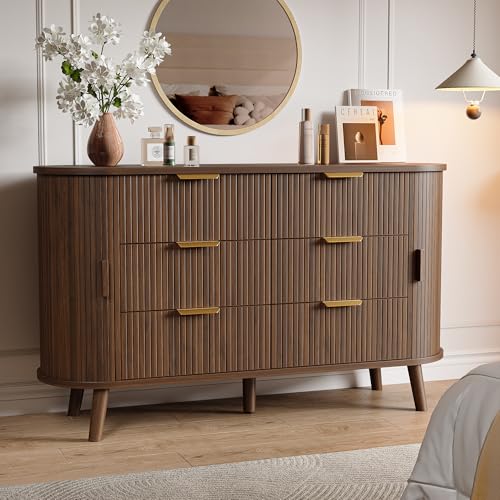
A console dresser is large enough to set the tone of a space. Modern and minimalist rooms suit clean lines and handleless fronts. Traditional rooms respond well to framed drawer fronts and classic hardware. For a softer look, a coastal dresser or a cottage-style chest of drawers adds warmth without heaviness.
Console Dresser Styles and Finishes Compared
The table below groups common console dresser styles by their market positioning and best use case. Use it to narrow your shortlist before browsing specific products. No figures are shown because the right choice depends on your room and priorities, not on a single number.
| Style | Tier | Best For | Notable Traits |
|---|---|---|---|
| Minimalist flat-front | Entry-level to mid-range | Modern hallways, apartments | Clean lines, handleless or slim pulls, low visual weight |
| Mid-century console | Mid-range | Living rooms, behind sofa | Tapered legs, warm wood tones, generous surface |
| Farmhouse console | Mid-range to premium | Entryways, cottage interiors | Planked details, painted finishes, classic hardware |
| Solid wood console | Premium to luxury | Long-term bedroom or dining use | Durable construction, repairable surfaces, heavier build |
| Lacquer or high-gloss | Premium | Contemporary dining and living areas | Reflective finish, crisp edges, strong color options |
If you are comparing solid timber against engineered alternatives, our solid wood vs engineered guide explains the trade-offs in construction and longevity.
Console Dresser Materials and Finishes
Materials affect how a piece ages, how it feels to use, and how well it fits the rest of your room. Oak and walnut bring grain character and repairability. Pine offers a softer, more casual look. Painted finishes give you color flexibility, while lacquer delivers a crisp, contemporary surface that is easy to wipe down.
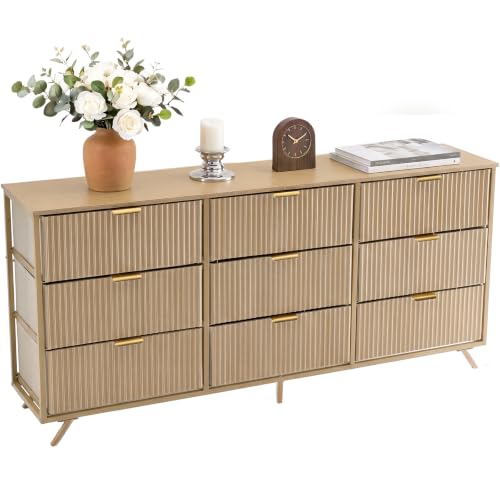
For a neutral palette that brightens a narrow hallway, a white dresser or gray dresser keeps the space feeling open. If you want contrast, a black dresser or dark oak dresser adds depth and defines the zone. Hardware is a low-effort way to shift the style: gold hardware dressers read warm and elevated, while black hardware dressers lean modern.
Sizing and Placement Checklist
Before you order, run through this checklist. It takes five minutes and prevents the most common return reason: a piece that does not fit the intended space.
- Measure the wall length and record the maximum width you can accommodate with clearance on both sides.
- Measure the corridor or walkway depth and confirm the console depth leaves a comfortable path.
- Check the height against adjacent furniture, especially sofa backs and bed frames.
- Confirm the drawer layout matches what you plan to store.
- Decide whether you need wall anchoring, particularly in homes with children or pets.
- Plan the surface: lighting, decor, and a tray for everyday items.
- Verify the finish against your existing flooring and wall color in daylight.
For rooms where space is genuinely tight, our narrow dressers and small dressers guides offer additional format options. If the piece will sit in a corner, a corner dresser may use the geometry better than a straight console.
Styling a Console Dresser
The surface of a console dresser is prime real estate. Keep it intentional. A lamp, a small tray for keys or mail, and one decorative object is usually enough in an entryway. In a living room, a pair of books and a plant soften the horizontal line. Avoid filling the surface completely; the visual breathing room is part of what makes the format work.
Above the piece, a mirror expands the sense of space and reflects light into narrow hallways. In a bedroom, a low-profile mirror or a single piece of art keeps the wall calm. Our dresser mirror ideas and dresser styling tips cover these decisions in more detail.
Care and Maintenance
Console dressers live in high-traffic areas, so they collect more wear than a bedroom piece. Dust regularly with a soft cloth, avoid abrasive cleaners on veneered or lacquered surfaces, and wipe spills promptly. Check drawer glides periodically; a small adjustment keeps drawers running smoothly for years. If the finish is solid wood, a occasional conditioning treatment preserves the surface. Our how to clean a dresser guide covers safe methods for common finishes.
Frequently Asked Questions
Is a console dresser the same as a chest of drawers?
Not quite. A chest of drawers is typically taller and deeper, built primarily for clothing volume. A console dresser is wider, shallower, and lower, designed to fit narrow spaces and serve as a surface as well as storage. The two formats overlap, but the console prioritizes footprint efficiency.
Can a console dresser be used in a bedroom?
Yes. It works particularly well in smaller bedrooms and guest rooms where a full-depth dresser would crowd the layout. It holds folded clothing, accessories, and linens, and its surface can serve as a dressing area or display space.
What depth should I look for in a hallway?
Measure the clear walkway you need, then subtract it from the corridor width. The remaining figure is your maximum console depth. In most hallways, a shallow profile is essential to keep traffic flowing comfortably.
Do console dressers need to be anchored to the wall?
If the piece is tall enough to tip, or if you have children or pets, anchoring is strongly recommended. Many models include anti-tip hardware. Even low console dressers benefit from anchoring in high-traffic areas.
What materials hold up best in humid climates?
Sealed solid wood and moisture-resistant engineered wood with quality veneers perform well. Avoid unfinished surfaces, and check that drawer boxes and glides are rated for humid conditions. Regular ventilation helps as much as material choice.
Final Thoughts
A console dresser solves a specific problem well: storage in spaces where depth is a luxury. Measure first, match the drawer layout to your actual use, and choose a finish that supports the rest of the room. Done right, it becomes one of the hardest-working pieces in the home. Use the recommendations below to compare current options, and revisit our dresser buying guide if you want a broader framework before deciding.