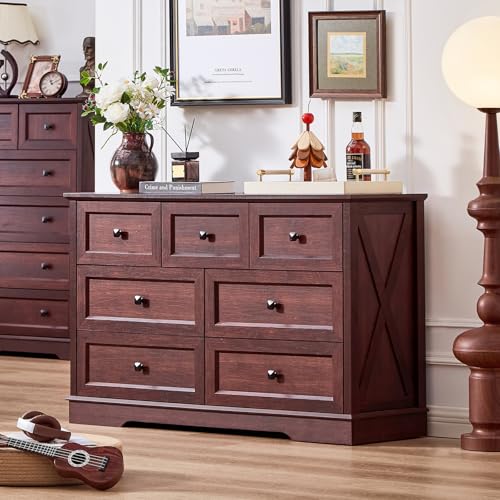
Cherry Dressers: Timeless Elegance for Your Bedroom
Explore the warmth, durability, and refined character of cherry dressers. From classic chests to modern designs, discover how to choose the right cherry wood dresser for your bedroom storage needs.
Why Choose a Cherry Wood Dresser?
Cherry wood has been a favorite in fine furniture making for centuries, and for good reason. Its rich, reddish-brown tones deepen beautifully with age, giving each piece a unique character that matures alongside your home. A cherry dresser is more than a storage unit — it is a long-term investment in warmth and craftsmanship.
Unlike painted or veneered options, solid cherry wood offers natural grain patterns that vary from piece to piece. The wood is renowned for its strength-to-weight ratio, meaning a well-constructed cherry dresser can serve your family for generations. If you are exploring broader options, our guide to dressers covers materials, styles, and configurations across the board.
- Natural aging: Cherry wood darkens gracefully over time, developing a deep patina that many homeowners find desirable.
- Durability: Cherry is a hardwood with tight grain, making it resistant to warping and wear under normal bedroom conditions.
- Versatility: It pairs well with both traditional and contemporary decor, fitting seamlessly into farmhouse, transitional, and modern bedroom settings.
- Workability: Cherry accepts stains and finishes beautifully, allowing manufacturers to offer everything from natural oiled looks to rich, hand-rubbed lacquer finishes.
Cherry Dresser Styles to Consider
Cherry wood adapts to a wide range of design languages. Whether you prefer clean lines or ornate detailing, there is a cherry dresser style that fits your bedroom aesthetic.
For a classic look, consider a brown dresser with mirror in cherry — the warm tone of the wood complements the reflective surface beautifully. If you lean toward mid-century aesthetics, a long mid-century dresser crafted in cherry offers clean lines and tapered legs that feel both retro and modern.
Those who appreciate traditional craftsmanship may be drawn to antique Art Deco dressers, where cherry wood often features in the finest examples. And for a more relaxed, rustic feel, a 6-drawer pine chest of drawers — while not cherry — offers a comparable natural wood aesthetic that pairs well with cherry accents in the same room.
- Traditional cherry dressers: Feature bracket feet, brass hardware, and a rich, dark finish — ideal for classic bedrooms.
- Transitional cherry dressers: Blend clean silhouettes with subtle detailing, fitting easily into most modern homes.
- Mid-century cherry dressers: Characterized by tapered legs, minimal ornamentation, and a focus on grain patterns.
- Farmhouse cherry dressers: Often finished in lighter tones with simple hardware, perfect for relaxed, airy bedrooms.
Sizes and Drawer Configurations
The right size depends on your room dimensions and storage needs. Cherry dressers come in a variety of widths and drawer counts, from compact three-drawer units to expansive eight-drawer models.
If you are working with a smaller bedroom, a 30-inch wide chest of drawers provides a compact footprint without sacrificing functionality. For larger rooms or shared spaces, a 48-inch wide chest of drawers offers generous surface area and ample storage. And if you need maximum capacity, an 72-inch wide dresser delivers expansive drawer space for the whole family.
Drawer count matters as much as width. A five-drawer dresser is a versatile middle ground for couples, while an 8-drawer chest of drawers suits those who need dedicated compartments for clothing, linens, and accessories. For bedrooms with limited floor space but tall ceilings, a 6-drawer tall chest of drawers maximizes vertical storage.
Cherry Dresser Quality Tiers Explained
Not all cherry dressers are created equal. Construction methods, joinery, hardware, and finish quality vary significantly across the market. To help you compare without focusing on figures, we use a tier-based classification system that reflects the relative market position of each category.
| Tier | Construction | Hardware & Finishes | Best For |
|---|---|---|---|
| Entry-Level | Engineered wood core with cherry veneer; basic butt joints | Standard metal slides; simple knobs | Guest rooms, first apartments, light use |
| Mid-Range | Solid cherry frame with veneered panels; dovetail or dowel joinery | Side-mounted ball-bearing slides; brushed metal or wood pulls | Primary bedrooms, daily use, balanced durability |
| Premium | Solid cherry wood throughout; mortise-and-tenon joinery | Soft-close undermount slides; solid brass or custom hardware | Long-term use, high-traffic bedrooms, discerning buyers |
| Luxury | Hand-selected solid cherry; traditional hand-cut dovetails | Hand-finished surfaces; artisan hardware; bespoke detailing | Heirloom-quality investment, custom interiors |
As you move up the tiers, expect tighter tolerances, smoother drawer operation, and more consistent grain matching. Entry-level cherry dressers can look attractive in photos, but mid-range and premium options tend to hold up better under daily use. If you are comparing materials more broadly, our article on engineered wood dressers explains where veneered construction fits into the picture.
Buying Tips: What to Check Before You Buy
Buying a cherry dresser is a meaningful decision. Use this checklist to evaluate quality and suitability before you commit.
- Inspect the drawer slides: Smooth, full-extension slides are a hallmark of quality construction. Look for soft-close mechanisms on premium models. If you are upgrading an older dresser, heavy-duty soft-close drawer slides can be a worthwhile retrofit.
- Check the joinery: Dovetail joints signal durability. Avoid drawers held together with staples or minimal glue.
- Confirm the wood species: Solid cherry should be labeled as such. Terms like "cherry finish" may indicate a veneer or a different wood stained to look like cherry.
- Test the finish: Run your hand along the surface. A quality finish should feel smooth, with no rough patches or uneven areas.
- Measure your space: Account for door swings, walkways, and wall space before choosing a size. A 36-inch wide chest of drawers is a sensible middle-ground for many bedrooms.
- Consider drawer organization: If you plan to store small items, look for dressers with felt-lined top drawers or add drawer dividers after purchase.
Caring for Your Cherry Dresser
Cherry wood is relatively low-maintenance, but a few simple habits will keep it looking its best for years. Dust regularly with a soft, dry cloth to prevent buildup. Avoid placing the dresser in direct sunlight for extended periods, as this can cause uneven fading — though cherry does darken with light exposure, consistency is key.
Use a mild wood cleaner or a damp cloth for occasional deeper cleaning, and dry immediately. Avoid harsh chemicals, silicone-based polishes, and abrasive pads, which can damage the finish. If your dresser has a natural oil finish, re-oil it annually according to the manufacturer's instructions.
For bedrooms with fluctuating humidity, consider using a dehumidifier or maintaining consistent indoor humidity levels. Cherry wood responds to moisture changes, and stable conditions help prevent cracking or warping over time. If you are organizing your closet alongside your dresser, our guide to a chest for closet offers additional storage strategies.
Frequently Asked Questions About Cherry Dressers
Is cherry wood a good choice for a dresser?
Yes. Cherry is a durable hardwood with a beautiful grain and a natural ability to darken gracefully over time. A solid cherry dresser is considered a long-term investment and can last for decades with proper care.
How can I tell if a dresser is solid cherry or veneered?
Check the edges and interior surfaces. Solid cherry will show consistent grain patterns throughout, while veneered pieces may have a different core material visible at the edges or inside the drawers. Look for labels or product descriptions that explicitly state "solid cherry wood."
Will cherry wood match other bedroom furniture?
Cherry pairs well with other warm-toned woods such as walnut and mahogany. It can also contrast nicely with painted finishes or lighter woods like maple. If you are building a coordinated bedroom set, consider a dresser and nightstand combo to ensure a consistent look.
How many drawers should a cherry dresser have?
It depends on your storage needs. A four-drawer dresser works well for individuals, while a seven-drawer dresser or 8-drawer dresser suits couples or families. Consider the types of items you plan to store and whether you need deep drawers for bulky clothing.
Does cherry wood scratch easily?
Cherry is moderately resistant to scratches compared to softer woods, but it is not immune. Using felt pads under decorative items and avoiding sharp objects on the surface will help preserve the finish. Minor scratches can often be touched up with a wood repair marker matched to the finish.