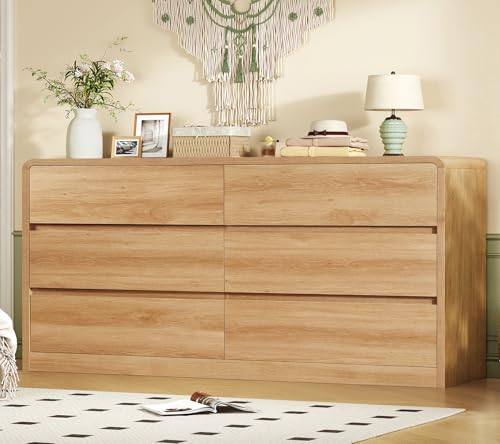
What Is a 6 Drawer Pine Chest of Drawers?
A 6 drawer pine chest of drawers is a vertical or semi-vertical storage piece built from pine wood and fitted with six individual drawers. Unlike a wide dresser that spreads storage horizontally, a six-drawer chest typically stacks drawers in two columns or a single tall column, which makes it ideal for rooms where floor space is limited but vertical space is available.
Pine has been a furniture staple for generations because it is a renewable, fast-growing softwood that is easy to work with, takes paint and stain beautifully, and develops a warm patina over time. A well-built pine chest can serve as a long-term investment for a guest room, nursery, or primary bedroom. If you are comparing overall storage formats, our guide to chest of drawers for bedroom layouts will help you decide between vertical and horizontal configurations.
Typical Dimensions and Drawer Layouts
While every manufacturer builds to its own specifications, most six-drawer pine chests fall within a predictable size range. Knowing these dimensions before you shop helps you avoid a piece that crowds a doorway or leaves awkward gaps against the wall.
| Configuration | Typical Width | Typical Height | Best For |
|---|---|---|---|
| Two-column chest | 32–40 in | 48–56 in | Bedrooms with moderate wall space |
| Single-column tall chest | 28–34 in | 56–62 in | Small rooms and narrow walls |
| Wide low chest | 42–50 in | 40–46 in | Rooms where the chest doubles as a surface |
Depth generally runs between 16 and 20 inches. Deeper drawers hold bulkier items such as sweaters, while shallower drawers are better for socks and accessories. If your room is unusually tight, compare this format with a dedicated brown tall narrow chest of drawers to see how a slimmer footprint changes the layout.
Pine Wood Quality: What to Look For
Not all pine is equal. The grade of the wood and the construction method have a direct impact on how the chest holds up over years of daily use.
Solid pine vs. pine veneer
Solid pine boards run through the full thickness of the drawer fronts and frame, which means they can be sanded and refinished later. Pine veneer over engineered wood or particleboard is common in entry-level furniture; it looks consistent but cannot be sanded down. Solid pine is the preferred choice for anyone who wants a piece that can be repaired and renewed.
Joinery and construction
Look for dovetail or box joints on drawer boxes, corner blocks or dowels at the frame, and a sturdy back panel. Screwed-and-glued construction is acceptable at the entry-level tier, while dovetailed drawers signal a mid-range or premium build. For a broader comparison of materials, see our article on engineered wood dressers versus solid wood options.
Finish and protection
A lacquered, oiled, or painted finish protects pine from moisture and everyday wear. Natural or clear finishes show off the grain; painted finishes hide knots and give a cleaner, more contemporary look. Our overview of dressers with painted finish explains how different coatings age.
Drawer Glides and Hardware
The glide system is one of the most important — and most overlooked — parts of any chest. It determines how smoothly drawers open, how much weight they carry, and how long the piece stays quiet.
- Wooden runners: Traditional and quiet, but they require waxing and can stick in humid conditions.
- Basic metal side glides: Common on entry-level chests; functional but can rattle over time.
- Ball-bearing side glides: A mid-range upgrade that rolls smoothly and handles heavier loads.
- Soft-close undermount slides: Found on premium and top-tier pine chests; they pull the drawer shut gently and reduce noise.
If smooth, quiet operation matters to you, look for chests fitted with heavy-duty soft-close drawer slides. Hardware finishes — knobs, pulls, and handles — are also worth considering, since they set the visual tone of the piece and are easy to swap later.
How to Choose the Right Size for Your Room
Before you commit to a 6 drawer pine chest, measure the space where it will live. A simple rule of thumb is to leave at least 30 inches of clearance in front of the drawers so they can open fully without hitting a bed or doorway.
- Measure the wall length and note any outlets, vents, or baseboards.
- Check ceiling height and door swing paths.
- Confirm drawer depth against the items you plan to store.
- Decide whether the top surface needs to hold a lamp, mirror, or TV.
For rooms with very limited space, a brown small dresser for bedroom or a chest for closet may be a better fit than a full six-drawer unit. Conversely, if you need more capacity, compare with an 8 drawer chest of drawers before finalizing.
Organizing Six Drawers Efficiently
Six drawers give you a natural built-in organization system. A practical approach is to assign each drawer a purpose from top to bottom, following the principle that frequently used items belong at waist height.
- Top drawers: socks, undergarments, accessories, and small folded items.
- Middle drawers: folded shirts, t-shirts, and everyday wear.
- Lower drawers: jeans, sweaters, linens, and bulkier items.
Drawer dividers and vertical folding keep contents visible and prevent the "black hole" effect where items disappear at the back. Our guide to clothes drawer organizers covers dividers, bins, and folding techniques in more detail. If you are setting up a nursery, the same system works well with a changing table chest of drawers.
Styling a Pine Chest in the Bedroom
Pine's warm tone pairs beautifully with natural textures, white bedding, and muted earth palettes. A few practical styling ideas:
- Keep the top surface uncluttered — a lamp, a small tray, and one decorative object are usually enough.
- Use a mirror above the chest to bounce light and make the room feel larger.
- Mix pine with painted or upholstered pieces to prevent the room from feeling too "woody."
- Add a runner or woven mat underneath to protect the floor and anchor the piece.
For more inspiration, browse our brown long dresser for bedroom ideas and dresser with organizer setups. If you prefer a coordinated look, a dresser and nightstand combo can tie the room together.
Care and Maintenance Tips
Pine is forgiving but not indestructible. Keep the chest out of direct sunlight to prevent uneven fading, dust regularly with a soft cloth, and avoid placing hot or wet items directly on the surface. Tighten drawer hardware periodically, and apply a furniture wax or oil once or twice a year if the finish is natural. For a deeper clean, a lightly damp cloth followed by a dry buff is usually sufficient.