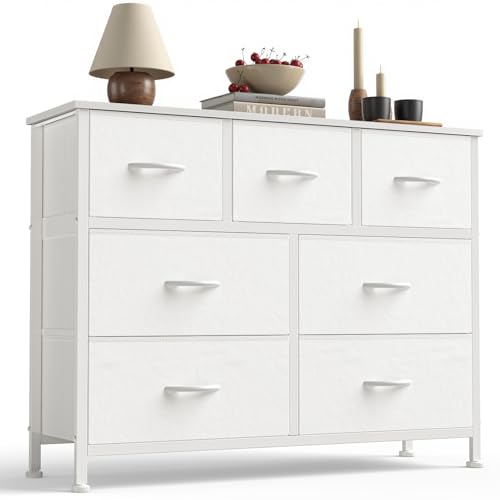
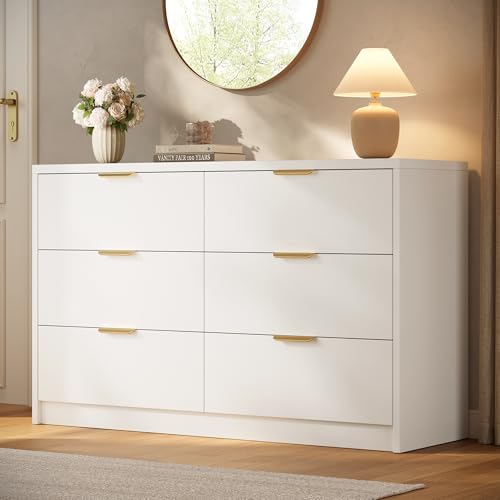
White Dresser Buying Guide: Style, Storage & Smart Choices
Discover how to choose a white dresser that brightens your bedroom, fits your space, and delivers reliable storage — from entry-level designs to premium solid wood pieces.
Start the GuideWhy a white dresser? A white dresser is one of the most versatile bedroom furniture pieces you can own. White finishes reflect natural light, make compact rooms feel larger, and pair effortlessly with nearly every decor style — from Scandinavian minimalism to farmhouse charm. Whether you need a small white dresser for a guest room or a wide 6-drawer model for a shared bedroom, this guide covers everything you need to choose confidently.
What to Look For in a White Dresser
Buyers researching a white dresser typically already know they want a light, clean finish — the real questions are about material quality, drawer configuration, durability, and how the piece will hold up over time. Below are the key factors that separate a well-specified dresser from a disappointing one.
Material and Finish Quality
The finish is what makes a white dresser look crisp and lasting — or tired and yellowed after a few seasons. Consider these material categories:
- Engineered wood with laminate or veneer: Common in entry-level and mid-range models. Modern laminates resist stains and scratches well, and the white surface stays uniform. Look for fully sealed edges to prevent moisture damage.
- Solid wood with painted finish: Found in high-end tier pieces. Solid pine, oak, or maple with a quality white paint or lacquer offers the best longevity and can be refinished if needed.
- MDF with painted finish: A balanced tier option — smooth surface, consistent color, and good paint adhesion. Ensure the paint is low-VOC and the interior is sealed.
- Metal accents: White dressers with powder-coated steel frames or legs add industrial character and often improve structural rigidity.
A quality white finish should be opaque, evenly applied, and free of drips or thin spots. On painted wood, check that drawer fronts and sides are finished consistently — unfinished interiors collect dust and moisture.
Drawer Construction and Hardware
Drawers are where a dresser earns or loses its reputation. Entry-level models often use stapled or glued drawer boxes with basic roller slides. Mid-range and high-end tiers typically upgrade to dovetail or reinforced joinery and smooth ball-bearing or undermount slides.
- Drawer slides: Ball-bearing side slides are durable and smooth; undermount slides offer a cleaner look and soft-close action.
- Drawer boxes: Dovetail joinery signals better craftsmanship; reinforced corners and thicker side panels resist sagging under heavy clothing.
- Hardware: Metal pulls and knobs in brushed nickel, matte black, or brass should feel solid and be firmly attached. White dressers with contrasting hardware create a crisp, modern look.
Pro tip: Test the drawers in person if possible. Open and close each one fully — a well-built drawer glides smoothly with one hand and closes flush without rattling.
Size and Drawer Count
White dressers come in a wide range of footprints, so matching the size to your room is essential:
- Small white dresser (3–4 drawers): Ideal for guest rooms, dorms, and compact bedrooms. A narrow or tall silhouette preserves floor space.
- Standard white dresser (5–6 drawers): The most popular choice for adult bedrooms, offering a good balance of storage and surface area.
- Wide white dresser (6–9 drawers): Best for shared bedrooms and larger spaces; wide models often include a mix of deep and shallow drawers.
- Tall white dresser (5+ drawers): Maximizes vertical storage in small rooms. Anchor tall dressers to the wall for safety.
Measure your available wall space and leave at least 24 inches of clearance in front of the dresser for comfortable drawer access.
Style and Finish Variations
White is not a single color — the shade and sheen dramatically change the look:
- Crisp white: Bright and modern; pairs well with bold accents and metallic hardware.
- Off-white and cream: Softer and warmer; suits farmhouse, cottage, and traditional bedrooms.
- Distressed white: A rustic look with visible wood grain and worn edges.
- Matte vs. glossy: Matte finishes hide fingerprints and suit contemporary spaces; glossy finishes reflect light and feel more glamorous.
You can explore a broader range of white dresser styles in our white dresser collection guide, or browse related finishes like the buttermilk dresser for a warmer off-white tone.
White Dresser Quality Tiers Explained
To help you compare options without focusing on numbers, we classify white dressers into universal quality tiers. These descriptors reflect relative market positioning and construction quality — not any specific figure.
Entry-Level Tier
Engineered wood with laminate finishes, basic roller slides, and simple hardware. A practical choice for guest rooms, dorms, and first apartments where the dresser needs to look clean and function reliably.
Mid-Range Tier
Better drawer construction, smoother slides, and more refined finishes. Often MDF or engineered wood with painted surfaces and upgraded hardware. A solid choice for everyday bedrooms.
High-End Tier
Solid wood construction, dovetail joinery, soft-close undermount slides, and premium painted or lacquered finishes. Built for long-term use and frequent daily opening and closing.
Luxury Tier
Flagship craftsmanship with premium hardwoods, hand-finished surfaces, custom hardware, and heirloom-level durability. A long-term investment for a primary bedroom.
As a general rule, mid-range models usually offer noticeably smoother drawer mechanisms and more consistent finishes than entry-level pieces, while high-end and luxury tiers add solid wood construction and refined joinery that hold up better over years of use.
White Dresser Comparison by Category
Use this reference table to match a dresser type to your storage needs and room size. Columns focus on tier and category — never on any numeric figures.
| Dresser Type | Typical Tier | Best For | Key Consideration |
|---|---|---|---|
| Small white dresser (3–4 drawers) | Entry-level to mid-range | Guest rooms, dorms, apartments | Check drawer depth for folded clothing |
| Standard white dresser (5–6 drawers) | Mid-range to high-end | Primary bedrooms, couples | Balance of surface area and storage |
| Wide white dresser (6–9 drawers) | High-end to luxury | Shared bedrooms, large spaces | Ensure wall length fits the footprint |
| Tall white dresser (5+ drawers) | Mid-range to high-end | Small bedrooms, vertical storage | Wall anchoring is essential for safety |
| White dresser with mirror | Mid-range to premium | Bedrooms needing a vanity setup | Mirror attachment and tilt safety |
| White nursery dresser / changing combo | Mid-range to high-end | Nurseries, baby rooms | Safety straps and non-toxic finishes |
How to Organize a White Dresser
A white dresser looks its best when the interior is as tidy as the exterior. These organization strategies help you get more from every drawer:
Assign Drawers by Function
- Top drawer: Undergarments, socks, and small accessories — use dividers to keep items separated.
- Middle drawers: Folded shirts, t-shirts, and workout wear — fold in vertical stacks so you can see everything at a glance.
- Bottom drawers: Jeans, sweaters, and bulky items — heavier items belong lower for stability.
Use Drawer Liners and Dividers
Drawer liners protect the white interior from dust and moisture, and they make cleanup easier. Dividers prevent small items from sliding around and keep folded clothing upright. For more ideas, see our guide on bureau drawer liners.
Rotate Seasonal Clothing
Store off-season clothing in under-bed bins or a closet chest, and keep only the current season in your dresser. This keeps drawers from becoming overcrowded and makes the dresser easier to open and close.
Tip for white dressers: Avoid storing damp or unwashed clothing in white drawers — moisture and dye transfer can stain the interior finish. Let garments dry fully before folding them away.
Keeping a White Dresser Looking Fresh
White furniture shows dust and smudges more readily than darker finishes, but a simple care routine keeps it looking crisp:
- Dust weekly: Use a soft microfiber cloth on the top surface, drawer fronts, and sides.
- Wipe spills immediately: A damp cloth with mild soap is usually enough. Avoid abrasive cleaners that can dull the finish.
- Protect from sunlight: Prolonged direct sun can cause white finishes to yellow. Use curtains or blinds during peak daylight hours.
- Check hardware: Tighten knobs and pulls periodically — loose hardware can scratch the drawer fronts.
- Use felt pads: Place felt pads under decorative items on the dresser top to prevent scratches.
If you are comparing broader storage options beyond the bedroom, our buying guides cover material choices, drawer construction, and room-by-room recommendations.
Frequently Asked Questions
What is the best material for a white dresser?
Solid wood and high-grade engineered wood with a durable white finish offer the best balance of longevity and appearance. Engineered wood with a quality laminate is common in entry-level and mid-range tiers, while solid wood and premium painted finishes dominate high-end and luxury tiers.
How many drawers should a white dresser have?
A 5 to 6 drawer dresser works well for most adults, while 3 to 4 drawers suit small bedrooms and guest rooms. Tall dressers with 5 or more drawers maximize vertical space, and wide 6 to 9 drawer models offer the most storage capacity for shared bedrooms.
Does a white dresser fit small bedrooms?
Yes. A small white dresser, especially a narrow or tall design, is an excellent fit for compact bedrooms, dorms, and apartments. White finishes reflect light and make small rooms feel more open, while tall narrow silhouettes preserve floor space. You can explore compact options in our guide to small dressers.
How do I keep a white dresser looking clean?
Dust regularly with a soft microfiber cloth, wipe spills immediately with a damp cloth and mild soap, and avoid abrasive cleaners. Use drawer liners to protect the interior, and keep the dresser out of direct sunlight to prevent yellowing over time.
Should I anchor a tall white dresser to the wall?
Yes. Any tall dresser should be anchored to the wall with the included anti-tip kit, especially in homes with children or pets. This is a standard safety practice for all tall bedroom furniture.
Explore More Dresser Guides
Continue your research with these related topics on DresserAdvisor: