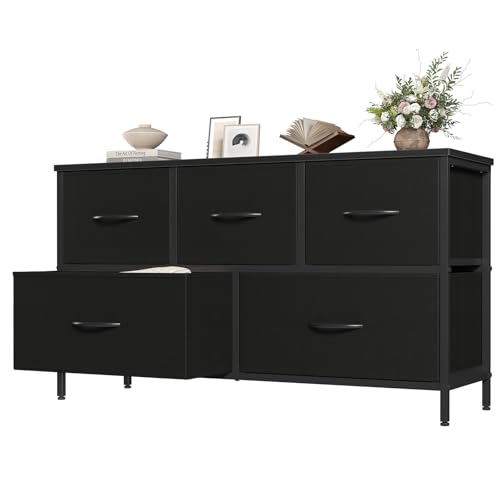
Cheap Small Dresser: Smart Compact Storage for Tight Spaces
Looking for a compact dresser that fits a narrow wall, a dorm corner, or a small apartment bedroom? This guide explains how to choose an entry-level small dresser that balances footprint, drawer capacity, build quality, and long-term usability — without wasting space.
Explore Buying FactorsWhy small dressers matter: In compact bedrooms, the dresser is often the only piece of furniture that can store folded clothing, accessories, and bedside essentials. Choosing the right small dresser is less about the label on the box and more about matching drawer depth, height, and material to the way you actually live. A well-chosen compact piece can replace a bulky chest and free up floor space for movement, lighting, or a reading chair.
What Counts as a Small Dresser?
There is no single industry definition, but most furniture retailers treat a dresser as "small" when its width stays under roughly 40 inches and its height under about 36 inches. Anything narrower than 30 inches is often labeled a narrow dresser or a tall narrow chest, while pieces under 24 inches deep are considered space-saving. These dimensions matter because they determine whether the piece can slide into a hallway niche, sit between two windows, or fit beside a bed without blocking a closet door.
If you are still deciding between a low, wide piece and a tall, narrow one, our comparison of a low and wide chest of drawers versus a tall narrow chest of drawers walks through how each shape affects usable floor space and visual weight in a small room.
Why Choose a Compact Dresser?
Space Efficiency
A compact footprint leaves room for a bed, a nightstand, and clear walking paths in apartments and dorms.
Easy Relocation
Lighter builds are simpler to move between rooms, rentals, and shared living spaces without professional help.
Focused Storage
Fewer drawers encourage editing your wardrobe and keeping only the clothing you actually wear.
Flexible Placement
Small dressers can double as a bedside table, a hallway console, or a nursery storage unit.
Lower Entry Point
Entry-level and starter-tier models are widely available, making them a practical first furniture purchase.
Easy to Restyle
A smaller surface is simpler to decorate, paint, or refresh with new hardware when your taste changes.
Key Buying Factors for a Small Dresser
1. Measure the Space Before You Shop
Start with the wall or corner where the dresser will live. Measure width, height, and depth, then subtract at least two inches on each side for door swings, baseboards, and ventilation. Do not forget to account for drawer pull-out clearance — a drawer that opens into a closet door is effectively unusable. If your space is especially tight, browse options designed for a chest of drawers that fits in a closet or read our guide to dressers for small spaces for layout ideas.
2. Choose the Right Drawer Count
A 3-drawer small dresser is the most common compact configuration and works well for folded shirts, sleepwear, and accessories. A 4-drawer or 5-drawer model adds vertical capacity without widening the footprint. If you need a taller stack in a narrow space, a tall dresser may fit better than a wide one. For very limited wall space, a 3-drawer chest of drawers is often the most practical starting point.
3. Compare Materials and Build Quality
Small dressers span several quality tiers. Entry-level models often use engineered wood with a laminate or veneer finish, which is lightweight and consistent but sensitive to moisture. Mid-range pieces may use solid wood fronts, thicker panels, and metal drawer glides. Premium and high-end tiers typically feature dovetail joinery, soft-close slides, and solid hardwood frames. Our dresser quality guide explains how to inspect drawer boxes and joinery in person.
| Tier | Typical Materials | Best For | Notes |
|---|---|---|---|
| Entry-level / starter tier | Engineered wood, laminate finish | Dorms, first apartments, guest rooms | Lightweight; check drawer glide quality |
| Mid-range / balanced tier | Solid wood fronts, reinforced panels | Primary bedrooms, daily use | Better hardware and smoother slides |
| Premium / high-end tier | Solid hardwood, dovetail joinery | Long-term use, heirloom-style pieces | Soft-close glides and durable finishes |
4. Check Drawer Depth and Interior Height
Small dressers vary widely in interior drawer dimensions. Deep drawers are useful for bulky sweaters but can waste space for folded t-shirts. Shallow drawers work better for accessories and delicates. Measure the interior height and depth before buying, and compare them with how you fold your clothes. Our guide to a chest dresser with deep drawers explains when extra depth is worth it.
5. Consider Style and Finish
Finish affects both maintenance and visual space. White and light natural wood finishes make small rooms feel larger, while black or charcoal finishes add contrast and hide scuffs. If you want a bright, airy look, a white dresser is a classic compact choice. For a warmer, more natural look, a wood dresser in pine, oak, or walnut veneer works well in small bedrooms.
6. Safety and Stability
Small dressers can still tip if a child climbs on open drawers. Look for anti-tip straps, wall-anchoring hardware, and drawer stops. If the dresser will be used in a child's room, review our nursery dresser guide for safety-focused recommendations.
How to Get More Storage From a Small Dresser
Small dressers reward good organization. A few inexpensive additions can effectively double usable capacity.
- Use drawer dividers to separate socks, underwear, and accessories. Our drawer dividers guide covers materials and sizing.
- Fold clothes vertically so you can see every item at a glance instead of digging through stacks.
- Add stackable bins inside deep drawers to create two layers of storage.
- Rotate seasonal clothing — keep out-of-season items in under-bed bins and reserve dresser drawers for current wear.
- Use the top surface for a small tray, a lamp, or a mirror rather than letting it become a clutter magnet.
For a deeper walkthrough, read our full dresser organization guide and our bedroom storage section for room-wide solutions.
Small Dresser Placement Tips
Place the dresser on the longest uninterrupted wall to keep walking paths clear. Avoid blocking windows and closet doors, and leave at least 24 inches of clearance in front of drawers. In very small rooms, a corner placement with a mirror above the dresser can make the space feel larger.
Common Mistakes to Avoid
- Buying before measuring. Always confirm width, height, and depth against your wall and drawer clearance.
- Ignoring drawer glide quality. Stiff or flimsy glides make a small dresser frustrating to use daily.
- Overlooking weight limits. Check the maximum load per drawer if you plan to store heavy items.
- Skipping wall anchoring. Anti-tip straps are essential in homes with children or pets.
- Choosing style over function. A beautiful finish cannot compensate for drawers that stick or waste interior space.
Small Dresser vs Other Compact Storage
| Category | Best For | Footprint | Drawer Capacity |
|---|---|---|---|
| Small dresser (3–5 drawers) | Folded clothing, accessories | Compact width, moderate height | Moderate |
| Tall narrow chest | Small wall niches, closets | Narrow width, taller height | Moderate to high |
| Low and wide chest | Under windows, TV placement | Wide width, low height | Moderate |
| Nightstand with drawers | Bedside essentials only | Very small | Low |
| Armoire or wardrobe | Hanging clothes plus drawers | Deep footprint | High |
If you are deciding between a dresser and a taller storage cabinet, our comparison of a dresser versus an armoire explains when each makes more sense in a small bedroom.
Who Should Buy a Small Dresser?
A compact dresser is a strong fit for several situations:
- Apartment dwellers with limited bedroom floor space.
- Students furnishing a dorm or shared room.
- Guest rooms that need practical storage without dominating the room.
- Nurseries where a low dresser doubles as a changing station.
- Anyone editing a wardrobe down to essentials and wanting a simpler storage setup.
If you need a matching pair for a guest room or a child's room, a set of two chests of drawers can be a practical way to coordinate storage across two rooms.
Final Considerations Before You Buy
Before you commit, confirm the following:
- The dresser fits your measured space with drawer clearance.
- The drawer count matches your typical weekly laundry volume.
- The material and hardware are appropriate for daily use.
- Anti-tip hardware is included or available.
- Return policy and assembly requirements are clear.
For a broader checklist, see our buying guides section, which covers size, materials, and room-specific recommendations.
Frequently Asked Questions
What size counts as a small dresser?
A small dresser typically measures under 40 inches wide and 36 inches tall. Pieces under 30 inches wide are often labeled narrow dressers, and those under 24 inches deep are considered space-saving.
Is a 3-drawer dresser enough for one person?
Yes, for many people. A 3-drawer dresser works well for folded basics, sleepwear, and accessories, especially when paired with a closet or under-bed storage for bulkier items.
Which materials are best for an entry-level small dresser?
Engineered wood with a laminate finish is common at the entry level. Mid-range and premium tiers often use solid wood fronts, thicker panels, and smoother metal glides for better durability.
How can I make a small dresser hold more?
Use drawer dividers, fold clothes vertically, add stackable bins inside deep drawers, and rotate seasonal clothing out of the dresser to free up space for current wear.
Should I anchor a small dresser to the wall?
Yes. Even small dressers can tip if a child climbs on an open drawer. Use the included anti-tip strap or purchase a wall-anchoring kit for safety.
Ready to Choose Your Compact Dresser?
Use the buying factors above to narrow your options, then review our recommended compact storage picks below to compare features, materials, and drawer configurations side by side.