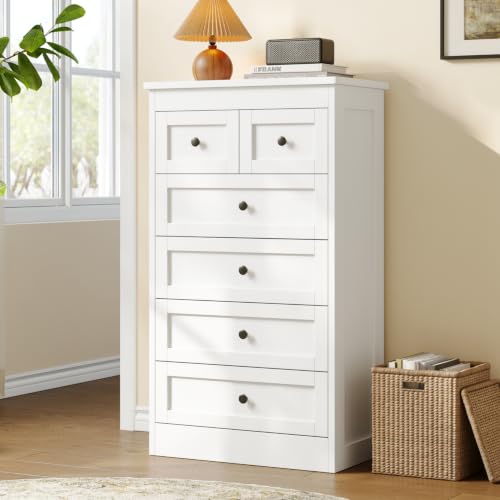
Cheap 6 Drawer Dresser: Smart Storage Without Compromise
A six drawer dresser is one of the most versatile storage pieces you can add to a bedroom, guest room, or nursery. It offers enough capacity for folded clothing, linens, and accessories while keeping a manageable footprint. This guide walks you through the differences between entry-level, mid-range, and premium tiers so you can choose a model that fits your space, your routine, and your long-term expectations.
Why a Six Drawer Dresser Is a Sweet Spot
Six drawers hit a practical balance between capacity and footprint. A three or four drawer chest can feel limiting once you factor in bedding, workout clothes, and seasonal items, while nine or twelve drawer models often demand more floor space or a taller profile that may not suit every room. A six drawer dresser typically lands in a comfortable middle: enough compartments to separate categories, but still compact enough for a standard bedroom wall.
Another advantage is flexibility in drawer sizing. Many six drawer designs combine two or three shallow top drawers with deeper lower drawers, which lets you separate small accessories from bulkier items like sweaters or spare linens. That structure is especially useful in shared rooms, guest bedrooms, or nurseries where multiple categories of items need a home.
If you are still weighing dresser formats, our broader buying guides section covers how drawer counts and dresser types compare across different room layouts.
Entry-Level, Mid-Range, and Premium Tiers Explained
Instead of anchoring recommendations to fluctuating figures, it helps to think in tiers. The tier reflects relative position in the market, construction methods, and the level of refinement you can expect. Below is a practical breakdown of what each tier typically delivers for a six drawer dresser.
The Essential Tier
Best suited to guest rooms, first apartments, dorms, or temporary setups where the priority is functional storage and a clean look.
- Engineered wood panels with laminate or foil finish
- Roller-style drawer glides
- Simplified assembly and lighter overall weight
- Limited hardware options and finishes
- Good value for its tier when reinforced drawer bottoms are present
The Balanced Tier
A strong choice for primary bedrooms and family homes where daily use and longevity matter more than decorative extras.
- Solid wood fronts with engineered wood carcass
- Metal ball-bearing drawer slides
- Dovetail or box-joint drawer construction
- Wider finish selection and sturdier hardware
- Feature-rich for its class, including felt-lined top drawers
The High-End Tier
Intended for buyers who want furniture-grade construction, smoother operation, and a piece that can be handed down or refinished.
- Solid hardwood frames and drawer boxes
- Soft-close, full-extension glides
- Hand-finished surfaces and premium hardware
- Reinforced joinery and anti-tip hardware included
- Long-term investment with refinishing potential
Materials and Construction to Check
The material mix determines how a six drawer dresser ages, how much it weighs, and how well it tolerates humidity changes. Here is what to look for at each tier:
Engineered Wood and Laminate
Medium-density fiberboard (MDF) and particleboard with a laminated or foiled surface are common in entry-level and some mid-range models. They offer a uniform look and resist warping better than some solid woods in humid rooms. The trade-off is that repeated moisture exposure can swell edges, so keep the dresser away from direct dampness and wipe spills promptly.
Solid Wood and Wood Veneer
Solid wood fronts, drawer boxes, and frames are typical of mid-range and premium tiers. Veneered panels over engineered cores are also common and can be very stable. Check whether the drawer boxes are solid wood or thinner composite panels, since drawer boxes take the most daily wear.
Joinery and Drawer Bottoms
Dovetail joints and box joints distribute load better than stapled or nailed corners. Reinforced drawer bottoms, often indicated by a center support rail or thicker panel, prevent sagging when a drawer is filled with heavy items. This single detail separates durable six drawer dressers from those that develop sticking drawers within a year or two.
For material-specific browsing, see our solid wood chest of drawers and wood dresser overviews.
Tall vs. Wide: Sizing a Six Drawer Dresser
Six drawer dressers come in two main proportions, and the right choice depends on your room dimensions and how you use the top surface.
Tall Six Drawer Dressers
A tall or "tallboy" configuration stacks drawers vertically, often in a narrower footprint. This works well in small bedrooms, narrow alcoves, or walk-in closets where floor space is limited. The trade-off is a smaller top surface and a higher center of gravity, which makes anti-tip anchoring essential.
Wide Six Drawer Dressers
A wide six drawer dresser spreads drawers across a broader frame, usually with a lower overall height. This offers a generous top surface for decor, a mirror, or a changing pad, and keeps frequently used drawers within easy reach. It suits rooms with low windows or sloped ceilings where a tall piece would feel cramped.
Measuring Before You Buy
- Measure the wall length where the dresser will sit and allow clearance for doors and drawer pull-out.
- Account for drawer extension: a full-extension glide needs roughly the drawer depth in front of the unit.
- Leave at least a few inches around the sides for airflow and cleaning.
- Check doorway and stairwell widths if the dresser arrives assembled or partially assembled.
For tight spaces, our small dresser and tall dresser guides offer additional footprint-focused advice.
Drawer Glides, Stops, and Hardware
Drawer mechanics are the most overlooked part of dresser shopping and the most common source of frustration later. Here is what each glide type means in practice:
| Glide Type | Typical Tier | Best For | What to Check |
|---|---|---|---|
| Roller glides | Entry-level | Light daily use, guest rooms | Wheel alignment, smooth travel under load |
| Metal ball-bearing slides | Mid-range | Primary bedrooms, family use | Full-extension travel, side-to-side play |
| Soft-close full-extension | Premium | High-use rooms, nurseries | Closing speed, consistent dampening |
| Wood-on-wood runners | Vintage and some premium | Traditional and antique styles | Waxed surfaces, even tracking |
Drawer stops are equally important. A stop prevents the drawer from pulling completely out and falling, which matters in households with children or pets. Premium and mid-range models often include integrated stops; on entry-level models, check the listing details or product manual.
Hardware finish and attachment style also affect longevity. Screw-in pulls tend to hold up better than adhesive or pressure-fit options. If you plan to customize, our guide to mid-century modern cabinet pulls covers style coordination.
Organizing Six Drawers Efficiently
A six drawer dresser rewards a simple category system. Because drawer heights often vary, assign items by bulk rather than by habit.
A Practical Drawer Assignment
- Top shallow drawers: socks, underwear, accessories, and small folded items.
- Middle drawers: everyday folded clothing such as shirts, tops, and loungewear.
- Deep lower drawers: sweaters, jeans, spare linens, or off-season items.
- One flexible drawer: keep empty or lightly used for overflow and changing needs.
Tools That Make a Difference
Drawer dividers, adjustable bin inserts, and non-slip liners reduce shifting and make contents visible at a glance. For deeper drawers, vertical file folding keeps stacks stable and lets you see everything without digging. If you want to protect the drawer interior, our bureau drawer liners guide covers materials that stay in place.
Seasonal Rotation
Use the lowest drawers for off-season clothing and rotate contents twice a year. This keeps the most-used drawers uncluttered and extends the usable capacity of the dresser without adding furniture. For more ideas, see our six drawer dresser planning notes and the broader organization resources in the buying guides section.
Safety, Anti-Tip, and Nursery Use
Any dresser taller than a low chest should be anchored to the wall. This is especially important for six drawer models, which can become front-heavy when multiple drawers are open.
- Use the anti-tip kit supplied with the dresser, or a wall-anchoring strap rated for the unit's weight.
- Anchor into wall studs or use appropriate masonry anchors for solid walls.
- Avoid loading the top drawers with heavy items, which shifts the center of gravity forward.
- Teach children not to climb or hang on open drawers.
For nursery use, a six drawer dresser can double as a changing station when paired with a secure changing pad topper. Look for drawer stops and a stable, wide top surface. Our changing table dresser and changing pad holder for dresser guides explain how to set this up safely.
Final Buying Checklist for a Six Drawer Dresser
Use this checklist to compare models consistently before you commit. It focuses on construction and usability rather than promotional claims.
Before You Add to Cart
- Confirm the drawer glide type and whether the drawers are full-extension.
- Check that drawer bottoms are reinforced and the boxes use dovetail or box joints.
- Verify the overall dimensions against your wall space and door clearances.
- Confirm anti-tip hardware is included or available.
- Read the assembly instructions to gauge complexity and required tools.
- Check the finish material and how it should be cleaned.
- Review the return policy and warranty terms for the frame and glides.
If you are comparing multiple categories, our chest of drawers and dressers overviews can help you narrow the format before focusing on drawer count. For buyers who want a matching set, the dresser sets guide covers coordinated options.
Frequently Asked Questions
What should I check first when comparing six drawer dressers?
Start with drawer glide type, frame material, and overall depth. Entry-level models often use roller glides and engineered wood, while mid-range and premium tiers typically upgrade to metal ball-bearing slides and solid wood or reinforced panels. These three factors have the biggest impact on daily usability and longevity.
Is a tall or wide six drawer dresser better for a small bedroom?
Tall six drawer dressers use vertical space and work well in narrow rooms. Wide six drawer dressers offer a broader top surface and a lower profile, which suits rooms with low windows or sloped ceilings. Measure the wall and allow clearance for drawer pull-out before deciding.
How can I tell if a six drawer dresser is durable?
Look for reinforced drawer bottoms, dovetail or box joints, metal ball-bearing glides, and a solid or high-grade engineered wood frame. Anti-tip hardware is also a strong indicator of thoughtful construction. A well-built entry-level model with these features can outlast a poorly assembled mid-range piece.
Can a six drawer dresser work as a nursery storage piece?
Yes, provided it includes anti-tip anchoring and drawer stops. Many families choose a six drawer dresser that pairs with a changing pad topper for dual-purpose nursery storage. Keep heavy items in lower drawers and anchor the unit to a wall stud.
What is the best way to organize six drawers?
Assign categories by drawer height: deep lower drawers for bulky items, mid drawers for folded clothing, and shallow top drawers for accessories. Drawer dividers and liners keep contents from shifting. Rotate off-season clothing into the lowest drawer twice a year.