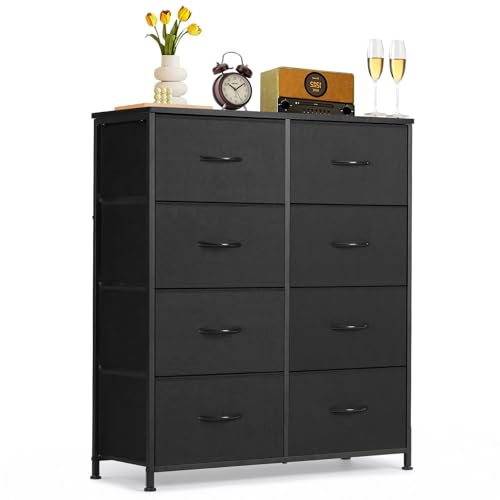
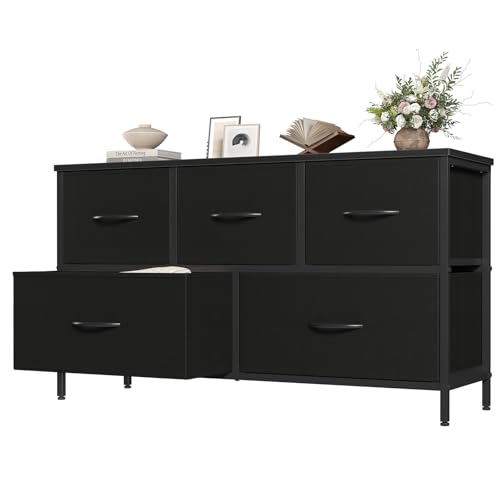
Cheap Dressers: Smart Storage Without Compromise
Your complete guide to finding entry-level dressers that deliver real functionality, dependable construction, and smart design for every bedroom.
START THE GUIDEWhy this guide matters: Finding a dresser in the entry-level tier does not mean settling for poor quality. With the right knowledge about materials, drawer mechanics, and sizing, you can choose a storage piece that serves your bedroom well for years. This guide walks you through every decision point so you can shop with confidence.
What Makes a Dresser a Smart Entry-Level Choice?
When shoppers look for a cheap dresser, the real goal is usually a well-built piece at an accessible tier. Understanding the key factors that separate a solid starter dresser from a flimsy one is the first step toward a purchase you will not regret. Focus on these four pillars:
Drawer Mechanics
The drawer glides are the most critical component. Entry-level models with metal side-mount slides outperform those with plastic runners. Look for drawers that glide smoothly under load and include a safety stop to prevent accidental pull-out.
Material Integrity
Engineered wood with a durable laminate or veneer finish is standard at this tier and can perform well when properly constructed. Check for reinforced corner blocks and a solid back panel, which indicate a more stable build.
Drawer Box Construction
Dovetail joints signal a higher-quality drawer box. At the starter tier, stapled or nailed boxes are common, but look for glued and reinforced corners that resist racking over time.
Stability & Safety
A wide base and anti-tip hardware are non-negotiable. Even an entry-level dresser must meet basic stability standards, especially in homes with children. Always secure the unit to the wall.
Entry-Level Dresser Tiers Explained
Not all inexpensive dressers are created equal. Use this tier framework to set expectations and compare options in a way that stays relevant regardless of market fluctuations.
| Tier | Typical Construction | Best For | Expected Lifespan |
|---|---|---|---|
| Essential Tier | Particle board with laminate, stapled drawer boxes, plastic or basic metal glides | Guest rooms, dorms, temporary setups, first apartments | 3–5 years |
| Balanced Tier | MDF or engineered wood with veneer, glued and stapled boxes, metal side-mount slides | Primary bedrooms, kids' rooms, everyday use | 5–8 years |
| Solid Starter Tier | Solid wood or high-grade plywood, dovetail or reinforced boxes, ball-bearing glides | Long-term use, heirloom-adjacent pieces, heavy daily use | 10+ years |
Buying tip: The balanced tier is the sweet spot for most shoppers. It offers noticeably better drawer action and stability than the essential tier without moving into premium territory. Look for metal ball-bearing glides and a finished back panel as markers of this tier.
Popular Cheap Dresser Styles to Consider
The style you choose affects both the look of your bedroom and the practical storage you get. Here are the most common configurations at the entry and balanced tiers:
5-Drawer Chests
A vertical five-drawer configuration maximizes storage in a compact footprint. This is one of the most popular shapes at the entry tier because it fits narrow wall spaces and delivers generous capacity. Explore cheap 5 drawer chest of drawers options for compact bedrooms.
6-Drawer Dressers
Wide six-drawer dressers offer a balanced layout for couples or anyone who needs to separate clothing categories. The extra drawer width makes folding and organizing easier. See cheap 6 drawer dresser picks for family bedrooms.
White Dressers
A white finish brightens a room and hides minor surface wear well. White laminate and veneer finishes are common at accessible tiers and pair easily with most decor styles. Browse cheap white dresser selections.
Small Dressers
Small dressers are ideal for tight bedrooms, nurseries, or as a secondary storage piece. A compact footprint does not have to mean fewer drawers—look for tall, narrow designs. Check cheap small dresser ideas.
Solid Wood Options
Solid wood at an entry tier usually means a simpler design with fewer decorative details. The payoff is durability and the ability to refinish later. Consider cheap solid wood chest of drawers for long-term value.
Dresser Sets
Matching dresser and nightstand sets simplify shopping and create a cohesive bedroom look. Bundled sets often offer better overall value than buying pieces separately. Explore cheap dresser sets for a coordinated room.
Your Step-by-Step Shopping Checklist
Use this checklist before you commit to any entry-level dresser:
- Measure your space twice. Confirm the dresser's width, depth, and height against your wall and walking clearance. A piece that fits but blocks a doorway is not a good choice.
- Test the drawer glide type. Metal ball-bearing slides are preferable to plastic runners. If shopping online, look for "ball-bearing" or "side-mount metal" in the product specifications.
- Check the weight rating. Each drawer should handle a full load of clothing without sagging. Product pages often list drawer weight capacity—aim for a rating that suits your heaviest items.
- Verify anti-tip hardware is included. This is a safety essential, not an optional extra. If it is not included, plan to purchase a wall-anchoring kit separately.
- Read the finish description. Laminate and veneer finishes vary in scratch resistance. A textured or matte finish tends to hide wear better than a high-gloss surface.
- Confirm assembly requirements. Many entry-tier dressers ship flat-packed. Check whether tools are included and estimate the assembly time before you commit.
- Look for a finished back panel. A finished back means the dresser can float in a room or sit in an open layout without looking unfinished.
Common Mistakes to Avoid
Ignoring Drawer Depth
Shallow drawers look spacious in photos but struggle with folded sweaters and jeans. Check the internal drawer depth, not just the exterior dimensions. A deeper drawer box is worth prioritizing over an extra drawer.
Overlooking the Back Panel
A thin, unattached cardboard back panel is a sign of corner-cutting. It affects rigidity and can allow the dresser to rack sideways over time. A stapled or screwed-on back panel is a better indicator of stability.
Skipping the Wall Anchor
Every dresser—regardless of tier—should be anchored to the wall. Children climbing on drawers can cause tip-overs. This is the single most important safety step in dresser ownership.
Choosing Style Over Function
A beautiful finish cannot compensate for sticky drawers. Prioritize drawer action and stability first, then choose the style that fits your room. Function-first shopping leads to far fewer regrets.
Ready to Compare Entry-Level Dressers?
Use our curated product selection below to compare features, drawer configurations, and construction details side by side. Filter by your tier and room needs to narrow the field.
VIEW RECOMMENDED OPTIONSFrequently Asked Questions
Are cheap dressers durable enough for daily use?
Yes, within reason. Dressers in the balanced tier with metal ball-bearing glides and reinforced drawer boxes can handle daily use for many years. The essential tier is better suited to lighter or temporary use. The key is to match the tier to the intensity of use—a guest room dresser has different demands than a primary bedroom dresser.
What is the difference between a dresser and a chest of drawers?
A dresser is typically wider and lower, often with a mirror, and is designed for folded clothing storage. A chest of drawers is taller and narrower, maximizing vertical storage in a smaller footprint. The terms are sometimes used interchangeably, but the shape distinction matters when planning your room layout. Read our full dresser vs chest comparison for details.
How many drawers do I need in a dresser?
For a single adult, a 4- to 6-drawer dresser is usually sufficient. Couples often prefer 6 to 9 drawers to keep clothing separated. For a child's room or nursery, a 3- to 5-drawer unit is typically adequate. Consider your folding habits and how often you do laundry—more frequent laundry means you can get by with fewer drawers.
Is solid wood always better than engineered wood?
Not necessarily. High-grade engineered wood with a quality veneer can be more dimensionally stable than solid wood in humid environments. Solid wood offers refinishing potential and a premium feel, but a well-constructed engineered wood dresser in the balanced tier can outlast a poorly built solid wood piece. Focus on construction quality over material label alone.
Can I paint or refinish an entry-level dresser?
Laminate and veneer surfaces can be painted with proper preparation—light sanding, a bonding primer, and a durable topcoat. Solid wood is easier to refinish and stain. If customization is a priority, choose a solid wood or wood-veneer model. Our how to paint a dresser guide walks through the process.
Where should I place a dresser in a small bedroom?
Place the dresser opposite the bed if walking clearance allows, or use a corner placement to free up floor space. Ensure at least 24 inches of clearance in front of drawers for comfortable opening. A tall, narrow chest is often the best choice for tight rooms. See our cheap tall narrow chest of drawers selection for compact options.
Final Thoughts Before You Buy
A dresser in the entry or balanced tier can be a genuinely smart purchase when you prioritize construction details over decorative extras. Focus your attention on drawer glides, drawer box reinforcement, and stability hardware. These three factors determine how a dresser feels and performs day after day. If you are still weighing your options, our dresser buying guides hub offers deeper comparisons across styles and configurations.
Whether you are furnishing a first apartment, upgrading a guest room, or setting up a nursery, the right entry-level dresser delivers organized storage without straining your budget. Use the checklist above, compare your shortlisted options, and buy with confidence.