Buttermilk Dresser: The Complete Buying Guide & Style Companion
Everything you need to know about the soft, creamy finish that transforms bedrooms into warm, welcoming retreats. From materials and drawer construction to styling and care, this guide helps you choose with confidence.
Explore Buying FactorsWhy a buttermilk dresser? The buttermilk finish — a gentle off-white with warm undertones — sits at the intersection of timeless and versatile. It softens a room without feeling stark, pairs beautifully with natural wood tones and muted textiles, and works across cottage, farmhouse, transitional, and even modern interiors. If you have already decided a dresser is the right storage piece for your bedroom, this guide focuses specifically on the buttermilk variant so you can evaluate construction, drawer layout, and finish quality before you commit.
What Exactly Is a Buttermilk Dresser?
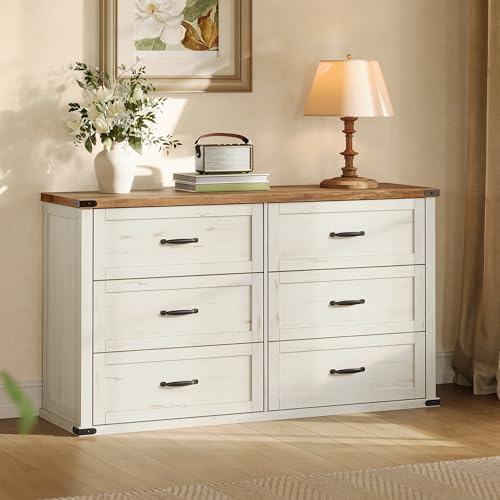
A buttermilk dresser is a chest of drawers finished in a creamy, pale tone that leans warmer than pure white and softer than beige. The name evokes the color of cultured buttermilk — a gentle ivory with a whisper of yellow or cream. Unlike a stark white white dresser, which can feel crisp and contemporary, the buttermilk finish reads as inviting and lived-in, making it a natural fit for bedrooms where you want calm and warmth.
This finish is usually achieved through a painted or lacquered surface over solid wood or engineered wood. Because the color is light and neutral, it highlights the silhouette of the piece — so drawer fronts, hardware, and legs become the visual focus. That makes buttermilk an excellent choice if you care about design details such as carved drawer faces, turned legs, or contrasting pulls.
Popular Buttermilk Dresser Styles
The buttermilk finish adapts to many design languages. Here are the styles you will encounter most often when shopping.
Cottage & Farmhouse
Distressed edges, beadboard details, and simple round knobs define this look. A buttermilk finish suits a farmhouse dresser perfectly, especially when paired with natural wood tops or woven baskets.
Transitional
Clean lines with subtle curves and classic hardware. This style bridges traditional and modern, and the buttermilk tone keeps it fresh without feeling cold. A good match for a modern dresser silhouette.
Cottage & Shabby Chic
Lightly distressed paint, antique-style pulls, and a romantic feel. Buttermilk is the go-to finish for this aesthetic, often seen on vintage dressers that have been restored.
Coastal & Hamptons
Breezy, relaxed, and light. Buttermilk pairs naturally with airy bedrooms, linen bedding, and subtle blue or sandy accents. Works especially well on wide, low dressers.
French Provincial
Ornate curves, cabriole legs, and carved details. A buttermilk finish softens the formality, making a French provincial chest feel approachable rather than imposing.
Nursery & Kids
Gentle tones are ideal for children's rooms. Many nursery dressers use buttermilk or similar off-white finishes because they feel soothing and hide minor scuffs gracefully.
Key Factors When Choosing a Buttermilk Dresser
Once you have settled on the finish, the real work begins: evaluating construction, size, and drawer functionality. The sections below walk through each factor so you can compare models on equal footing.
1. Construction & Material Quality
The finish may catch your eye, but the underlying construction determines how long the dresser lasts. Solid wood frames with dovetail drawer joints are the gold standard. Engineered wood can be perfectly serviceable — especially in mid-tier pieces — but check that the drawer boxes are reinforced and the back panel is not flimsy. If you are comparing materials in depth, our solid wood vs engineered guide breaks down the trade-offs.
2. Drawer Glides & Hardware
Drawer slides are where entry-level and mid-range dressers often diverge. Basic models use nylon or single-extension metal slides; mid-range and premium pieces use full-extension ball-bearing glides that feel smooth and support more weight. Soft-close mechanisms are increasingly common in the premium tier. Pay attention to the hardware too — knobs and pulls are easy to replace later, but they signal the overall quality tier of the piece. If you plan to swap hardware, our guide to mid-century modern cabinet pulls can help you match the style.
3. Size & Drawer Count
Buttermilk dressers come in every size from compact three-drawer units to wide nine-drawer statement pieces. Measure your available wall space and consider the room's traffic flow. A tall, narrow tall dresser works well in small bedrooms, while a wide, low wide dresser can double as a console in a guest room. Drawer count is not just about storage volume — it also affects how you organize. A mix of shallow and deep drawers is often more practical than uniform sizing.
4. Finish Durability
Painted finishes vary widely in quality. A well-applied, factory-cured buttermilk finish resists chipping and fading far better than a thin hand-painted coat. Look for descriptions that mention a protective topcoat or lacquer seal. If you are considering a DIY or refinishing route, our how to paint a dresser guide covers surface prep and topcoat options.
Buttermilk Dresser Quality Tiers Compared
To help you orient yourself in the market, here is how buttermilk dressers typically differ across quality tiers. Use this as a reference when reading product descriptions — not as a rigid rule, since individual makers vary.
| Tier | Construction | Drawer Glides | Best For |
|---|---|---|---|
| Entry-Level | Engineered wood with painted finish; stapled or glued joints | Basic metal or nylon slides; partial extension | Guest rooms, first apartments, occasional-use spaces |
| Mid-Range | Solid wood frame with engineered panels; reinforced corners | Ball-bearing glides; full extension on some models | Primary bedrooms, daily-use family furniture |
| Premium | Mostly solid hardwood; dovetail drawer boxes; quality topcoat | Soft-close, full-extension glides | Master bedrooms, long-term investment pieces |
| Luxury | Solid hardwood throughout; hand-finished details; furniture-grade joinery | Premium soft-close systems; metal or wooden runners | Design-focused interiors, heirloom-quality furniture |
A Note on Finish Consistency
Buttermilk is a descriptive color term, not a standardized one. One maker's buttermilk may lean toward warm ivory, while another reads closer to pale cream or even a soft yellow-white. Always request a physical swatch or check customer photos when possible. This is especially important if you are trying to coordinate with existing bedding, window treatments, or wall paint.
Buttermilk vs Similar Finishes
If you are drawn to the softness of buttermilk, you may also be considering related finishes. Here is how they compare so you can narrow your choice.
Buttermilk vs Pure White
Pure white is crisp and modern; buttermilk is warmer and softer. Buttermilk hides minor scuffs better and feels less clinical in bedrooms.
Buttermilk vs Cream
Cream is slightly deeper and more yellow-toned. Buttermilk sits between white and cream, making it the most neutral of the three.
Buttermilk vs Gray
Gray reads cooler and more contemporary. If you want a restful, neutral palette, buttermilk is the warmer option; a gray dresser suits modern and industrial rooms.
Buttermilk vs Natural Wood
Natural wood shows grain and warmth but can feel heavy in small rooms. Buttermilk lightens the visual weight while keeping warmth. If you prefer grain, explore natural wood dressers.
Styling a Buttermilk Dresser
Because the finish is neutral, a buttermilk dresser is a versatile canvas. Here are styling directions that work especially well:
- Layer textures: Pair with linen bedding, woven baskets, and a chunky knit throw to add depth without introducing busy patterns.
- Contrast with natural wood: A wooden mirror frame or a rattan chair beside the dresser introduces warmth and keeps the room from feeling flat.
- Use hardware as a focal point: Brass or matte black pulls stand out beautifully against buttermilk. Changing hardware is one of the easiest ways to personalize the piece — see our dresser knobs guide for options.
- Keep the top uncluttered: A small tray, a lamp, and one or two meaningful objects are enough. The soft finish rewards restraint.
- Consider a mirror: A dresser with a mirror in a simple frame amplifies light and adds function without competing with the finish.
Caring for a Buttermilk Finish
A painted buttermilk finish is relatively easy to maintain, but it benefits from consistent care. Dust weekly with a soft microfiber cloth. For deeper cleaning, use a mild soap solution on a damp cloth and dry immediately — lingering moisture is the enemy of painted wood. Avoid abrasive cleaners and silicone-based polishes, which can dull the topcoat over time. Touch up small chips promptly with matching paint to prevent moisture from reaching the wood beneath. If the finish is distressed by design, avoid over-cleaning the edges where the paint is intentionally thin.
For a broader routine that covers all finish types, see our how to clean a dresser guide. And if you are organizing the drawers after setup, our drawer organization ideas can help you make the most of the space.
Frequently Asked Questions
No. A buttermilk finish is warmer than pure white — it has cream or soft yellow undertones that make it feel gentler and more traditional. A white dresser is typically cooler and crisper. The two can work together in the same room, but they are distinct finishes.
Yes, but preparation matters. Lightly sand the surface to create a key for the new paint, clean it thoroughly, and use a primer designed for the existing finish. If the current finish is factory-cured lacquer, a bonding primer is especially important. Our guide on refinishing covers the full process.
Light finishes can show smudges and dust more readily than dark wood, but buttermilk is more forgiving than pure white because its warm undertone softens contrast. Regular dusting and prompt spot-cleaning keep it looking fresh.
For a small bedroom, consider a tall, narrow dresser or a compact three- to four-drawer model. The vertical footprint saves floor space while still providing useful storage. Measure the wall you plan to use and allow clearance for doors and walkways. Our small dressers category has more specific guidance.
Check the drawer boxes first: dovetail joints are a strong sign of quality over stapled or nailed boxes. Open and close each drawer — the glide should feel smooth and not wobble. Look at the back panel and underside; if they are thin and stapled, the piece is likely entry-level. A solid, heavy feel is generally a good indicator of durable construction.
Ready to Choose Your Buttermilk Dresser?
You have the full picture: finish characteristics, construction tiers, drawer considerations, and styling possibilities. Use the recommended pieces below to compare real options side by side.
View Recommended Buttermilk Dressers