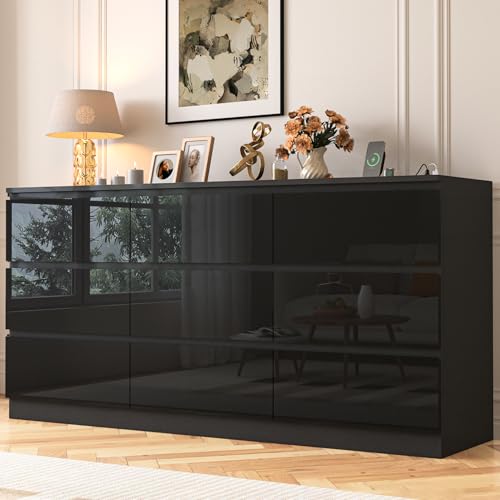
72 Dresser: The Complete Guide to Wide Bedroom Storage
Discover everything you need to know about 72-inch dressers — sizing, styles, materials, drawer configurations, and how to choose the right wide dresser for your bedroom layout.
Start the GuideWhy a 72 dresser? A 72-inch dresser is one of the widest standard dresser sizes available. It offers generous drawer capacity and a broad top surface, making it an ideal anchor piece for large bedrooms, primary suites, and rooms that need serious storage without sacrificing style. This guide walks you through every consideration so you can choose confidently.
In This Guide
- What Is a 72 Dresser?
- Who Should Choose a 72-Inch Dresser?
- 72 Dresser Dimensions and Sizing Guide
- Drawer Configurations and Layouts
- Popular Styles for Wide Dressers
- Materials, Finishes, and Construction Quality
- Room Layout and Placement Tips
- 72 Dresser vs Other Dresser Sizes
- What to Check Before You Buy
- Frequently Asked Questions
What Is a 72 Dresser?
A 72 dresser is a dresser that measures approximately 72 inches (about 6 feet) in width. In the furniture world, this places it firmly in the "wide dresser" or "double dresser" category. These pieces typically feature two columns of drawers side by side, often with six to nine drawers in total, depending on the design.
The appeal of a 72-inch dresser is straightforward: it delivers substantial storage capacity while presenting a clean, horizontal profile that works beautifully against a bedroom wall. For households with two people sharing a room, a wide dresser like the 72-inch dresser provides enough drawer space for both partners without requiring a separate chest.
Unlike tall chests, which stack drawers vertically, a 72 dresser spreads storage across a broader footprint. This makes it easier to organize clothing by category, keep frequently used items at eye level, and maintain a clutter-free bedroom. If you are exploring related wide options, you may also want to compare the 70 dresser and 80-inch dresser for slightly narrower or broader footprints.
Who Should Choose a 72-Inch Dresser?
A 72 dresser is not the right fit for every bedroom. Understanding whether your space and storage needs align with this size will save you time and prevent returns.
Ideal scenarios for a 72 dresser
- Primary bedrooms and master suites: Large bedrooms benefit from a substantial anchor piece that balances the visual weight of a king or queen bed.
- Shared bedrooms: Two people can each claim a column of drawers, making morning routines smoother.
- Rooms with long empty walls: A wide dresser fills a broad wall segment beautifully, especially when topped with a mirror or artwork.
- Households with extensive wardrobes: If you fold most of your clothing rather than hang it, a wide dresser offers more usable drawer volume than a narrow chest.
- Nurseries and kids' rooms: A wide dresser provides ample storage for baby clothes, blankets, and supplies, and the broad top works well as a changing station with a secure changing pad.
When a 72 dresser may not be the best choice
- Small bedrooms: In rooms under 10 feet wide, a 72-inch dresser can overwhelm the space and block circulation.
- Rooms with limited wall space: Doorways, windows, and closets can leave few uninterrupted wall segments long enough for a 72-inch piece.
- Narrow hallways or staircases: Delivery and placement can be challenging if the path to the bedroom is tight. Always measure doorways and turns before ordering.
- If you prefer vertical storage: A tall chest or a 7 drawer dresser tall may suit smaller footprints better while still offering substantial capacity.
72 Dresser Dimensions and Sizing Guide
While "72 dresser" refers primarily to width, the other dimensions matter just as much for fit and function. The table below outlines typical measurements you should expect and verify before purchasing.
| Dimension | Typical Range | Why It Matters |
|---|---|---|
| Width | 70–74 inches | The defining measurement; confirm the wall segment and clearance on both sides. |
| Depth | 18–20 inches | Affects walkway clearance; deeper dressers need more floor space in front. |
| Height | 30–38 inches | Impacts ergonomics and the visual balance with your bed and windows. |
| Drawer interior depth | 14–17 inches | Determines how much clothing each drawer can hold when folded. |
| Weight capacity per drawer | 25–50 lbs (varies by tier) | Higher-tier models typically use heavier-duty slides and reinforced drawer boxes. |
Always account for drawer extension. Most drawers pull out 14 to 18 inches, so leave at least 24 inches of clearance in front of the dresser for comfortable use. If your bedroom is tight, consider a 70 inch dresser or a 65 inch dresser to reclaim a few inches of floor space.
Drawer Configurations and Layouts
The internal layout of a 72 dresser varies significantly by model. Understanding the common configurations helps you match the dresser to how you actually store clothes.
Six-drawer double dresser
Two columns of three drawers each. This is the most common layout for a 72-inch width. The top drawers are typically shallower for accessories, while the lower drawers are deeper for folded clothing. A 6 drawer double dresser in this width offers a balanced mix of capacity and usability.
Eight-drawer double dresser
Two columns of four drawers, or a mix of small and large drawers. An 8 drawer double dresser provides more granular organization, which is helpful for couples who want separate sections or for families storing multiple sizes of clothing.
Nine-drawer dresser
Often arranged as three columns of three drawers, or two wide columns with a central stack of smaller drawers. A 9 drawer dresser maximizes storage density and suits households with extensive folded wardrobes.
Combination layouts
Some 72 dressers include a mix of drawer sizes plus a cabinet door or open shelf. These hybrid designs are useful for storing items that do not fold well, such as bags, shoes, or linens.
When comparing layouts, think about what you fold versus what you hang. If most of your clothing is folded, prioritize drawer count and interior depth. If you hang most items, a dresser with fewer but deeper drawers plus a cabinet section may serve you better.
Popular Styles for Wide Dressers
Style is where a 72 dresser can either blend into your bedroom or become its focal point. Here are the most common style directions and what each brings to a room.
Modern and contemporary
Clean lines, minimal hardware, and flat or subtly textured fronts. Modern wide dressers often feature handleless drawers or slim metal pulls. They pair well with platform beds and streamlined decor. If you like this direction, explore modern dressers for related options.
Mid-century modern
Tapered legs, warm wood tones, and geometric drawer fronts. A 6 drawer dresser mid century modern in a 72-inch width is a classic choice for retro-inspired bedrooms. The horizontal emphasis of mid-century design suits wide dressers particularly well.
Farmhouse and rustic
Distressed finishes, plank detailing, and cup pulls. Farmhouse wide dressers bring warmth and texture to a room. They work well with shiplap walls, woven baskets, and natural textiles.
Traditional and French provincial
Ornate detailing, curved fronts, and decorative hardware. A 9 drawer French provincial dresser in a wide format is a statement piece that anchors a traditional bedroom. These designs often include a mix of drawer sizes and sometimes a jewelry tray or felt-lined top drawer.
Minimalist and Scandinavian
Light woods, simple silhouettes, and functional design. Scandinavian wide dressers prioritize clean storage and a calm visual footprint, making them a good fit for smaller primary bedrooms that still need capacity.
Materials, Finishes, and Construction Quality
The material and construction of a 72 dresser determine how long it will last and how well it will handle daily use. This is where tier distinctions become useful.
Solid wood dressers
Solid wood construction — such as oak, maple, walnut, or pine — represents the top tier for durability and repairability. A 6 drawer chest of drawers solid wood or a solid wood wide dresser can last for decades and can be refinished if the surface wears. Expect premium and luxury tier pieces to use solid wood for drawer fronts and frames, with plywood or solid wood drawer boxes rather than particleboard.
Engineered wood and veneers
Mid-range dressers often use engineered wood cores with wood veneers. These offer a good balance of stability and appearance. Quality veneers can look nearly indistinguishable from solid wood, but they are less forgiving if damaged. Within this category, look for models with reinforced drawer bottoms and metal drawer glides rather than stapled plastic tracks.
Entry-level and ready-to-assemble materials
Particleboard and MDF with laminate finishes are common in entry-level tiers. These dressers can serve well in guest rooms or temporary setups, but they are less suited to heavy daily use. If you choose this tier, check weight ratings and avoid overloading drawers.
Hardware and drawer slides
Drawer slides are a key quality indicator. Entry-level models often use side-mounted roller slides. Mid-range and premium tiers use ball-bearing side slides or under-mount soft-close slides. A 72 dresser holds a lot of weight, so heavy-duty slides are worth prioritizing. Some manufacturers specify 60 inch heavy duty drawer slides as a benchmark for quality, and similar standards apply to wide dressers.
Finishes
Finishes range from natural oil and wax to lacquer and painted surfaces. White and black painted finishes are popular for wide dressers because they read as clean and intentional in a bedroom. Natural wood finishes showcase grain and pair well with a wide range of decor styles. For a crisp look, browse white dressers; for a dramatic contrast, consider black dressers.
Room Layout and Placement Tips
A 72-inch dresser is a significant piece of furniture, so placement matters. Here are practical guidelines for making it work in your bedroom.
Measure the wall and clearance
Measure the wall segment where you plan to place the dresser. Add at least 6 to 12 inches on each side for visual breathing room and access to adjacent furniture or outlets. If the dresser sits between a doorway and a window, confirm that the drawers can fully extend without hitting anything.
Consider the visual weight
Wide dressers work best against a long, uninterrupted wall. Placing one on a short wall can make the room feel cramped. If your wall is shorter than 72 inches, a 60 inch dresser or 55 inch dresser may be a better fit.
Pair with a mirror or artwork
The broad top surface of a 72 dresser is ideal for a wide mirror, a gallery wall, or a pair of lamps. A mirror above the dresser can visually expand the room and add light. Keep the top surface uncluttered so the dresser reads as a intentional design element rather than a storage catch-all.
Plan the walkway
Leave at least 24 to 30 inches between the front of the dresser and the foot of the bed or opposing furniture. This allows drawers to open fully and keeps the room comfortable to move through.
Anchor to the wall
Wide dressers are heavy, especially when loaded with clothing. Use anti-tip hardware to secure the dresser to the wall, particularly in homes with children or pets. This is a safety essential, not an optional step.
72 Dresser vs Other Dresser Sizes
Understanding how a 72 dresser compares to adjacent sizes helps you make a confident choice. The table below summarizes the trade-offs.
| Size | Approx. Width | Best For | Trade-Off |
|---|---|---|---|
| 60 inch dresser | 60 inches | Medium bedrooms, tighter walls | Less drawer capacity than a 72 |
| 65 inch dresser | 65 inches | Bedrooms needing extra width without a full 72 | Fewer layout options than a 72 |
| 70 dresser | 70 inches | Near-72 capacity in slightly tighter spaces | Slightly less top surface |
| 72 dresser | 72 inches | Large primary bedrooms, shared rooms, high storage needs | Requires substantial wall space |
| 80 inch dresser | 80 inches | Very large bedrooms, luxury suites | Can overwhelm standard rooms |
If you are deciding between a 72 and a 70, the difference is often minimal in practice. The key is to measure your actual wall and walkway. A 72 dresser is the sweet spot for many primary bedrooms, offering substantial capacity without the footprint of an 80-inch piece.
What to Check Before You Buy
Before placing an order, run through this checklist to avoid common pitfalls.
- Measure the delivery path. Doorways, stairwells, and hallway turns can be tighter than expected. A 72-inch dresser typically arrives in one or two large boxes; confirm the package dimensions and your entry clearance.
- Verify the drawer slides. Look for ball-bearing or under-mount slides. Soft-close is a nice upgrade, especially for shared bedrooms where drawers are opened frequently.
- Check the drawer box construction. Dovetail joints and solid wood or plywood drawer boxes are signs of higher-tier construction. Stapled or glued joints are more common in entry-level pieces.
- Confirm the finish and material. Read the product description carefully to distinguish solid wood from veneer and to understand the care requirements.
- Look for anti-tip hardware. A wide dresser should include or support a wall-anchoring kit. If it does not, plan to purchase one separately.
- Review assembly requirements. Some 72 dressers ship fully assembled; others require significant assembly. If you prefer a ready-to-use piece, look for already assembled dressers for sale.
- Plan for the top surface. Decide whether you want a mirror, lamps, or decor on top. This helps you choose a height that works with your eye level and wall decor.
If you are furnishing an entire bedroom, consider a matching set. A 6 drawer dresser and nightstand set or a 5 drawer dresser and nightstand set can simplify coordination and create a cohesive look.
Frequently Asked Questions
Is a 72-inch dresser the same as a double dresser?
Not exactly. "Double dresser" refers to the layout — two columns of drawers side by side. A 72 dresser is a specific width. Many double dressers are around 60 to 72 inches wide, but a 72-inch dresser is generally at the wider end of the double dresser category.
How many drawers does a 72 dresser usually have?
Most 72 dressers have six to nine drawers. Six-drawer models typically use two columns of three drawers. Eight- and nine-drawer models add more granular storage, which is helpful for couples or families.
Can a 72 dresser fit in a small bedroom?
It can, but it depends on the room's proportions. A 72 dresser needs a wall segment of at least 72 inches plus clearance on both sides and in front. In rooms under 10 feet wide, a narrower option like a 50 inch wide dresser or 54 inch dresser is usually more comfortable.
What is the best material for a 72 dresser?
Solid wood is the most durable and repairable option, representing the premium and luxury tiers. Mid-range dressers with quality veneers over engineered wood cores offer a good balance for most households. Entry-level laminate dressers are suitable for lighter use or temporary setups.
Should I anchor a 72 dresser to the wall?
Yes. Wide dressers are heavy and can tip if weight is concentrated in open drawers. Use anti-tip hardware to secure the dresser to a wall stud. This is especially important in homes with children or pets.
How do I move a 72 dresser?
Empty all drawers first to reduce weight. Remove drawers if possible to make the piece lighter and easier to maneuver. Use furniture sliders or a dolly, and have at least two people for a 72-inch dresser. Measure doorways before moving day.
What is the difference between a 72 dresser and a 72-inch chest?
A dresser is generally wider than it is tall, with a horizontal orientation. A chest is taller than it is wide, with drawers stacked vertically. A 72-inch width is typical for a dresser; a chest at that width would be unusually large. For vertical storage, a 7 drawer dresser tall is a more common choice.