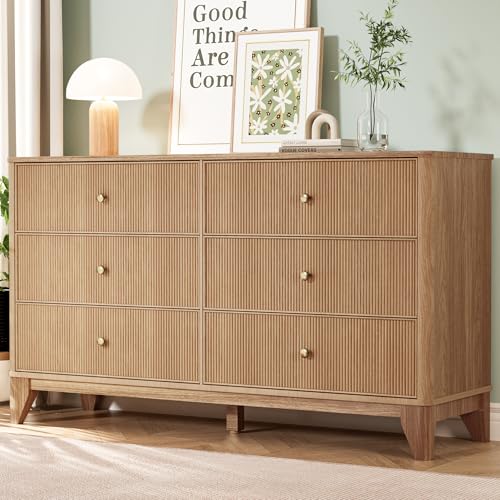
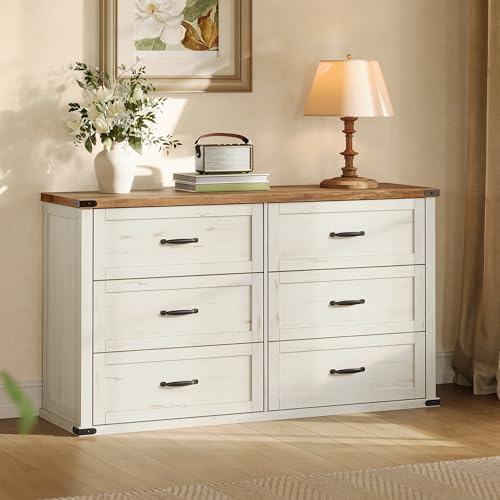
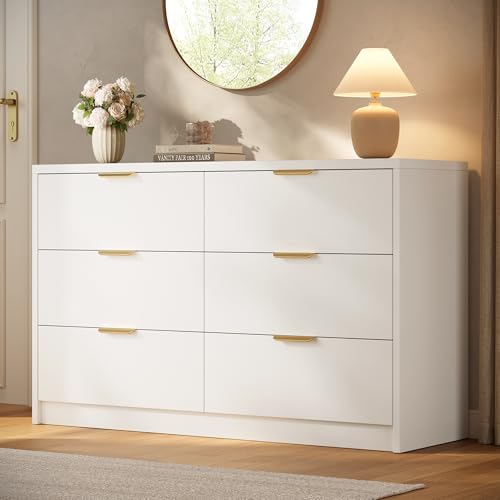
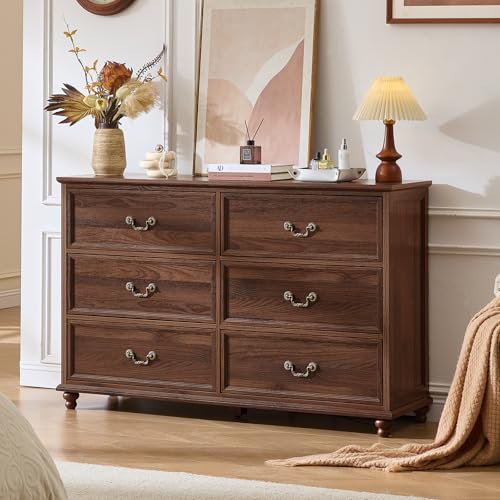
54 Inch Dresser: The Complete Guide to Wide Bedroom Storage
A 54 inch dresser sits in the sweet spot between compact and oversized. It offers generous drawer space for two people while still fitting most bedroom walls. Here is everything you need to know before you choose one.
Dimensions, drawer layouts, materials, room planning, and safety — all in one place.
Why the 54 inch dresser deserves a closer look: Most shoppers start with a standard width and hope it works. A 54 inch dresser is wide enough to handle shared storage, folded clothing, bedding, and accessories without crowding a room. It is also narrow enough to leave breathing room for doors, windows, and walking paths.
This guide walks through real measurements, drawer configurations, material choices, and practical fit checks so you can decide with confidence.
What Exactly Is a 54 Inch Dresser?
A 54 inch dresser measures 54 inches across its widest point — roughly 4.5 feet or 137 centimeters. In furniture terms, that puts it firmly in the wide dresser category. For comparison, a standard 40 inch dresser is noticeably narrower, while a 60 inch dresser adds another half foot of drawer face width.
Because the width is the defining feature, a 54 inch dresser usually carries a double-column drawer layout. That means two stacks of drawers side by side, which is ideal for couples who want separate storage zones or for anyone who needs to separate everyday clothing from seasonal items.
The height and depth vary by style. A low-profile 54 inch dresser might stand around 30 inches tall and work well under a window or as a media base. A taller version can reach 40 inches or more, closer to chest-of-drawers proportions. If you prefer a vertical footprint, a 6 drawer tall dresser may be a better match.
54 Inch Dresser Dimensions at a Glance
Measurements vary by manufacturer, but the table below reflects common ranges you will encounter across entry-level, mid-range, and premium models.
| Measurement | Typical Range | What It Means for You |
|---|---|---|
| Width | 54 inches (fixed) | Defines wall space needed; add 2–4 inches clearance per side. |
| Depth | 16 – 20 inches | Affects walking space in front; deeper models hold bulkier items. |
| Height | 30 – 36 inches (standard), 40 – 50 inches (tall) | Standard height doubles as a mirror or TV base; tall versions add vertical storage. |
| Drawer Interior Depth | 13 – 17 inches | Determines whether folded sweaters or linens fit flat. |
| Weight Capacity | 30 – 50 lbs per drawer (varies) | Higher-rated slides support heavier loads like denim or bedding. |
Common Drawer Layouts for a 54 Inch Dresser
Because the width allows two columns, the drawer layout is one of the most important decisions. Here are the configurations you will see most often:
- Six drawers (2 columns × 3 rows): The most common layout. Usually features two wide bottom drawers for bulky items and four medium drawers above for folded clothing. A solid choice for couples.
- Eight drawers (2 columns × 4 rows): Adds more separation for smaller items like socks, underwear, and accessories. Common in 8 drawer dresser designs.
- Seven drawers (asymmetric): Often pairs a stack of smaller drawers on one side with deeper drawers on the other. Useful when storage needs are uneven.
- Six drawers with a cabinet section: Some models replace one column with a small door cabinet for taller items. Less common at this width but available in specialty lines.
If you prefer a classic double-column look, a 6 drawer double dresser is the closest match to a 54 inch footprint. For a more vertical arrangement, a 7 drawer dresser may suit narrow rooms better.
Entry-Level, Mid-Range, and Premium: What Changes at 54 Inches
Wide dressers are available across quality tiers. The differences show up in construction, hardware, and finish — not just in the drawer count.
| Tier | Construction | Hardware & Slides | Best For |
|---|---|---|---|
| Entry-level | Engineered wood panels, laminated finish | Basic side-mount slides, plastic or simple metal pulls | Guest rooms, starter apartments, light use |
| Mid-range | Solid wood frame with engineered panels, veneer finish | Ball-bearing slides, metal pulls, dovetail or stapled joints | Primary bedrooms, daily use, shared storage |
| Premium | Solid hardwood construction, dovetail drawers | Soft-close undermount slides, solid metal hardware | Long-term investment, heavy daily use, design-focused rooms |
In practical terms, the mid-range tier is where most 54 inch dressers deliver the best balance of durability and refined drawer movement. Entry-level models are serviceable for lighter use, while premium models focus on joinery and smooth operation that lasts for years.
Materials and Finishes That Suit a 54 Inch Dresser
The width of a 54 inch dresser makes material choice more visible than on a narrow piece. Large drawer faces show grain patterns and finish consistency, so it pays to choose deliberately.
- Solid oak: Dense, durable, and shows a pronounced grain. Works well in traditional and farmhouse rooms. See our 5 drawer oak chest of drawers for a related solid-wood option.
- Pine: Lighter in tone and weight, with a rustic character. Common in cottage and coastal styles. A 5 drawer pine chest of drawers shows how pine performs in practice.
- Walnut and mahogany: Rich, dark tones that suit mid-century and traditional interiors. Often paired with brass or black hardware.
- White and painted finishes: Popular for bright bedrooms and nursery-adjacent spaces. A 6 drawer white chest of drawers illustrates how paint changes the visual weight of a wide piece.
If you are matching a 54 inch dresser with a nightstand, look for sets that share the same finish and hardware family. A 5 drawer dresser and nightstand set is a practical starting point for coordinated bedroom storage.
Will It Fit? Room Planning for a 54 Inch Dresser
Width alone does not guarantee a good fit. Use these checks before you commit:
- Wall length: Measure the wall section and subtract at least 2 inches on each side for visual breathing room and easier cleaning.
- Walking clearance: Leave 30 to 36 inches of open floor in front of the drawers so they can extend fully without blocking a doorway or bed.
- Door and closet swings: Confirm that nearby doors do not collide with the dresser face or its open drawers.
- Bed placement: A 54 inch dresser can sit opposite the bed or beside it as a secondary surface. Keep nightstand access clear on at least one side.
- Mirror or TV: A standard-height 54 inch dresser can support a mirror or a small television if the top surface is rated for the weight. Anchor the mirror to the wall.
If your wall is tighter than expected, a 52 inch dresser or a 50 inch wide dresser may be a better fit. If you have extra room, a 55 inch dresser offers a slight step up in drawer width.
54 Inch vs. Neighboring Dresser Sizes
| Size | Approximate Width | Best For |
|---|---|---|
| 50 inch wide dresser | 50 in | Smaller primary bedrooms, tighter wall sections |
| 52 inch dresser | 52 in | Rooms where a 54 inch unit is just slightly too wide |
| 54 inch dresser | 54 in | Balanced wide storage for shared bedrooms |
| 55 inch dresser | 55 in | Nearly identical footprint with slightly wider drawer faces |
| 60 inch dresser | 60 in | Large bedrooms, maximum drawer width |
The jump from 50 to 54 inches is meaningful: it often unlocks the double-column layout with wide bottom drawers. The jump from 54 to 60 inches is more about visual scale and drawer face width than a dramatic change in usable volume.
Safety and Stability for Wide Dressers
Any dresser wider than 48 inches should be anchored to the wall. Wide dressers carry more forward weight when drawers are open, and children may climb on them. Look for these features:
- Anti-tip bracket included: Check the product listing or manual. If not included, purchase a wall-anchoring kit.
- Drawer stops: Prevent drawers from pulling completely out and shifting the center of gravity.
- Sturdy back panel: A reinforced back panel adds rigidity to a 54 inch frame.
- Soft-close or self-close slides: Reduce the chance of drawers being left open, which is a common tipping risk.
Practical Safety Note
Anchor the dresser to a wall stud whenever possible. Drywall anchors alone are not sufficient for heavy furniture. If you rent and cannot drill into studs, use a furniture strap rated for the dresser weight and consult your landlord first.
How to Organize a 54 Inch Dresser
The extra width of a 54 inch dresser is an organizational advantage. A simple system keeps it useful:
- Top drawers: Accessories, socks, underwear, and small folded items. Use dividers to keep categories separate.
- Middle drawers: Everyday folded clothing — shirts, t-shirts, and light knitwear.
- Bottom drawers: Bulky items such as jeans, sweaters, and bedding. Wide bottom drawers are especially useful for linens.
- One column per person: In a shared bedroom, assign one drawer column to each person. This reduces overlap and keeps the dresser functional.
If you need more vertical storage, a 6 drawer dresser 50 inches wide or a 5 drawer wood chest of drawers can complement a 54 inch dresser in a larger room.
Buying Checklist for a 54 Inch Dresser
- Measure twice: Width, depth, height, and the diagonal path from the door to the intended wall.
- Confirm drawer layout: Six drawers for shared use, eight drawers for smaller items.
- Check slide quality: Ball-bearing or undermount slides move more smoothly than basic side-mount slides.
- Inspect joinery: Dovetail joints signal better construction than stapled or nailed joints.
- Confirm anchoring hardware: Anti-tip bracket should be included or added to your setup.
- Plan the top surface: If you want a mirror or TV, confirm the top can support the weight and that the mirror can be wall-mounted.
Ready to Compare 54 Inch Dresser Options?
Browse recommended wide dressers and storage pieces below. Each listing includes details on drawer layout, construction, and finish so you can compare within your preferred tier.
View Recommended DressersFrequently Asked Questions About 54 Inch Dressers
How wide is a 54 inch dresser in real-world measurements?
A 54 inch dresser measures 54 inches across its widest point — roughly 4.5 feet or about 137 centimeters. That places it in the wide dresser category, offering more storage than standard 40 to 48 inch models while still fitting most primary bedrooms.
How many drawers does a typical 54 inch dresser have?
Most models feature six to eight drawers in a double-column layout. Common configurations include six drawers in two columns of three, eight drawers in two columns of four, or a mix of wide bottom drawers and narrower top drawers.
Will a 54 inch dresser fit in a standard bedroom?
Yes, in most primary bedrooms. Leave at least 30 inches of walking space in front and ensure the wall section accommodates the full width plus a small clearance on each side. Measure the path from the door to the wall before purchasing.
What is the difference between a 54 inch dresser and a 60 inch dresser?
A 60 inch dresser adds about six inches of width, which typically means larger drawer faces and slightly more storage volume. The 54 inch size is often easier to place in rooms with limited wall space or door swing restrictions.
How tall is a 54 inch dresser usually?
Standard models usually stand between 30 and 36 inches tall. Tall or chest-style versions can reach 40 to 50 inches. Lower-profile models around 30 inches work well as a base for a mirror or television.
Do 54 inch dressers come with anti-tip hardware?
Many reputable manufacturers include anti-tip brackets, but not all do. Confirm whether wall-anchoring hardware is included. For any dresser wider than 48 inches, anchoring to the wall is strongly recommended for safety.