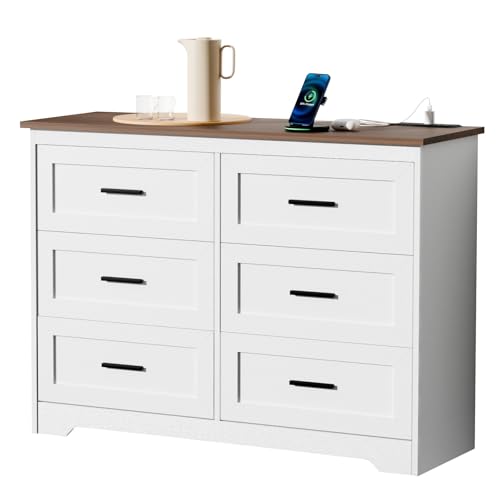
36 Dresser: The Complete Buying Guide
Everything you need to know about 36-inch dressers — sizing, drawer configurations, materials, room placement, and how to pick the right model for your bedroom, guest room, or nursery.
Explore the GuideWhy a 36 dresser deserves your attention: A 36-inch dresser sits in the sweet spot between compact and spacious. It is wide enough to hold meaningful storage — often three to five drawers — yet narrow enough to fit along a bedroom wall, inside a walk-in closet, or beside a door without crowding the room.
If you have been searching for a "36 dresser," "36 inch dresser," or "36 wide dresser," you are likely weighing storage capacity against floor space. This guide walks you through the practical details: what a 36-inch dresser actually measures, how many drawers to expect, which materials hold up best, and how to place one so it looks and functions beautifully.
What Exactly Is a 36 Dresser?
In furniture terminology, a 36 dresser refers to a dresser approximately 36 inches wide. It is a medium-width piece, distinct from narrow 24-inch dressers and wide 48-inch or 60-inch models. The "36" in the name describes the horizontal span across the front, not the depth or height.
Typical dimensions for a 36-inch dresser include:
- Width: roughly 34 to 38 inches (36 inches is the nominal size)
- Depth: usually 16 to 20 inches, with deeper models reaching 22 inches
- Height: commonly 30 to 42 inches, depending on drawer count and style
A 36 dresser is sometimes called a "three-foot dresser" because the width is close to one yard. This makes it a natural fit for rooms where a larger 48-inch dresser would overwhelm the space but a 24-inch dresser would leave you short on storage.
36 Dresser vs. Similar Sizes
| Size Category | Approximate Width | Best For |
|---|---|---|
| Narrow dresser | 20–28 inches | Small bedrooms, closets, hallways |
| 36 dresser (medium) | 34–38 inches | Guest rooms, kids' rooms, apartments, secondary bedrooms |
| Standard-wide dresser | 42–48 inches | Primary bedrooms, couples |
| Large dresser | 54–72 inches | Master suites, large families |
Because it sits in the middle of the size spectrum, the 36 dresser is one of the most flexible pieces you can buy. It works equally well as a primary dresser in a smaller home or as a secondary storage unit in a larger one.
Drawer Configurations: How Many Drawers Fit in 36 Inches?
The number of drawers a 36 dresser holds depends on how the manufacturer divides the front panel. Most 36-inch dressers fall into one of these layouts:
Three-Drawer Layout
A 36-inch wide 3-drawer dresser typically uses one shallow top drawer for accessories and two deeper drawers below for folded clothing. This layout maximizes drawer depth and is a strong choice for people who fold bulky items like sweaters and jeans.
Four-Drawer Layout
Four drawers usually mean two smaller upper drawers (often split side by side or stacked) and two large lower drawers. This configuration balances organization: delicates and small items go up top, while bulkier clothing goes below.
Five-Drawer Layout
A five-drawer 36 dresser often stacks three or four smaller drawers above one or two wide drawers. It is ideal if you want more separation between categories — socks in one drawer, shirts in another, and linens in a third.
Six or More Drawers
Some tall 36-inch dressers, often called tallboys or 36-inch tall nightstands, squeeze in six or more drawers by increasing height rather than width. These work well in closets where vertical space is available.
Materials and Build Quality: What to Look For
The material of a 36 dresser determines how long it lasts, how it feels to use, and how well it handles daily wear. Here is a tier-based overview:
Solid Wood — Premium and Luxury Tier
Solid oak, maple, walnut, and cherry dressers represent the premium and luxury tiers. They can be refinished, repaired, and passed down. Drawer runners are often wooden or metal, and joinery is typically dovetail or mortise-and-tenon. If you want a long-term investment piece, solid wood is the benchmark.
Engineered Wood with Veneer — Mid-Range Tier
Mid-range 36 dressers frequently use plywood or MDF cores wrapped in real wood veneer. They look convincing and hold up reasonably well when the veneer is thick. Check that edges are banded and that the drawer boxes are sturdy — not thin particleboard.
MDF and Particleboard — Entry-Level Tier
Entry-level dressers use these materials for the carcass and sometimes the drawers. They are lighter and more prone to sagging under heavy loads. If you choose this tier, look for reinforced drawer bottoms and metal glides rather than plastic.
Hardware and Glides
- Metal drawer glides with ball bearings offer smoother operation than plastic or wood-on-wood runners.
- Full-extension slides let you reach the back of the drawer — a meaningful upgrade on a 36 dresser where drawers are deep.
- Dovetail joints on drawer boxes signal higher build quality than stapled or nailed corners.
- Anti-tip hardware is essential for any dresser, especially in homes with children.
For a deeper breakdown of construction quality, see our guide on solid wood 3-drawer dressers, which covers joinery and finish details in more depth.
Styles That Work Well at 36 Inches
The 36-inch width is forgiving across design styles. Here are the most common looks you will encounter:
Modern and Minimalist
Clean lines, flat fronts, and integrated handles define modern 36 dressers. These often pair well with platform beds and neutral palettes. A 36 wide dresser in a matte finish can anchor a small bedroom without visual clutter.
Mid-Century Modern
Tapered legs, walnut tones, and angled drawer pulls are hallmarks of mid-century designs. At 36 inches, these dressers feel intentional rather than cramped.
Farmhouse and Rustic
Distressed finishes, plank detailing, and cup pulls give a 36 dresser a cozy, lived-in character. These styles often use pine or reclaimed wood and suit guest rooms and casual bedrooms.
Traditional and Transitional
Molded trim, bracket feet, and framed drawer fronts define traditional 36 dressers. Transitional models blend these details with cleaner silhouettes for broader appeal.
Nursery and Kids' Styles
A 3-drawer dresser changing table in the 36-inch range is a popular nursery choice because it is wide enough for a changing pad yet compact enough to leave floor space for a crib and glider. Look for rounded edges, non-toxic finishes, and included anti-tip straps.
Where a 36 Dresser Fits Best
Placement is where the 36-inch size shines. Here are rooms and layouts where it works particularly well:
Guest Bedrooms
A 36 dresser gives guests real storage without dominating a secondary bedroom. Pair it with a 2 nightstands and dresser set for a cohesive look.
Kids' Rooms
Children's clothing is smaller, so a 36 dresser offers ample capacity. Lower-height models let kids reach their own drawers, encouraging independence.
Apartments and Small Primary Bedrooms
In a compact primary bedroom, a 36 dresser can serve as the main clothing storage if paired with a closet. It leaves room for a bed, nightstand, and walking space.
Walk-In Closets
Placing a 36 dresser inside a walk-in closet turns unused wall space into a folding station and accessory hub. A 3-drawer dresser is often the right depth for closet walls.
Entryways and Hallways
A 36-inch dresser can double as a console in a wide hallway or entry, holding keys, mail, and seasonal accessories. Choose a model with a finished back if it will be visible from behind.
36 Dresser vs. Other Widths: A Quick Comparison
| Width | Typical Drawer Count | Best For | Trade-Off |
|---|---|---|---|
| 24-inch dresser | 2–3 | Tight spaces, closets | Limited capacity |
| 30-inch dresser | 3 | Small bedrooms, nurseries | Fewer sorting options |
| 36-inch dresser | 3–5 | Guest rooms, kids' rooms, apartments | Can feel tight for couples relying solely on it |
| 42-inch dresser | 4–6 | Primary bedrooms | Needs more wall space |
| 48-inch dresser | 5–7 | Couples, large bedrooms | Can dominate small rooms |
The 36 dresser is the "just right" option for many rooms — spacious enough to be useful, compact enough to preserve flow.
Buying Checklist for a 36 Dresser
Before you commit to a model, run through this list:
- Measure your wall and clearance. Confirm the dresser's width, depth, and height, and check that doors, closets, and walkways remain usable.
- Count your storage needs. Estimate how many folded items, linens, and accessories you need to store, then match that to drawer count and depth.
- Check drawer mechanics. Look for metal glides, full-extension slides where possible, and smooth operation.
- Inspect build quality. Dovetail or reinforced drawer boxes, solid joinery, and finished backs are signs of better construction.
- Verify safety features. Anti-tip hardware should be included or available. This matters in every home, especially with children.
- Confirm the finish and material. Solid wood for longevity, veneer for balance, and a finish that resists everyday wear.
- Plan for delivery and assembly. Some 36 dressers ship assembled; others require partial assembly. Check doorway widths if the dresser arrives fully built.
Explore Related Dresser Sizes and Styles
If a 36 dresser is not quite the right fit, these related guides can help you compare alternatives:
Frequently Asked Questions
What is a 36 dresser?
A 36 dresser is a dresser approximately 36 inches wide. It falls into the medium-width category and typically offers three to five drawers, making it versatile for guest rooms, kids' rooms, apartments, and smaller primary bedrooms.
How many drawers does a 36 inch dresser have?
Most 36 inch dressers have three to five drawers. A three-drawer layout favors deeper drawers, while a five-drawer layout offers more sorting options. Taller models may have six or more drawers by using vertical space.
Is a 36 inch dresser big enough for two people?
A 36 inch dresser can work for two people if it is supplemented by closet or under-bed storage. Couples who rely solely on one dresser often prefer a wider model in the 48-inch to 60-inch range.
What is the best material for a 36 dresser?
Solid wood — oak, maple, or walnut — offers the best durability and longevity. Engineered wood with quality veneers is a solid mid-range option, while MDF and particleboard are common in entry-level models. Consider how long you intend to keep the dresser and how heavily it will be used.
Can a 36 dresser be used in a nursery?
Yes. A 36-inch dresser is a common nursery size because it is wide enough for a changing pad yet compact enough to leave room for a crib and glider. Choose models with rounded edges, non-toxic finishes, and anti-tip hardware.
How much clearance should I leave in front of a 36 dresser?
Leave at least 30 inches of clear floor space so drawers can open fully. If the dresser has deep drawers or you use the top as a changing station, 36 inches of clearance is more comfortable.