
3 Drawer Dresser Changing Table: Complete Buying Guide
A 3 drawer dresser changing table combines nursery storage with a dedicated diaper changing surface — one piece of furniture that grows with your child. Here is everything you need to know before you choose one.
What a 3 Drawer Dresser Changing Table Actually Is
A 3 drawer dresser changing table is a nursery furniture hybrid. The lower portion is a compact dresser with three drawers, and the top surface is designed — or can be adapted — to hold a changing pad at a comfortable standing height. Unlike a standalone changing table that becomes obsolete once diapering ends, this piece keeps working as a dresser for years afterward.
There are two common formats. The first is a purpose-built unit where the top includes a recessed area or raised edges to secure a changing pad. The second is a standard 3 drawer dresser paired with a contoured changing pad and a safety strap, which many parents prefer because it converts more cleanly into a conventional dresser later. Both formats serve the same core purpose: keeping diapers, wipes, and clothing within arm's reach while you change your baby.
If you are still deciding between a dedicated changing station and a convertible dresser, the related guide on 3 drawer changing table dressers covers the design differences in more depth.
Key idea: The best 3 drawer dresser changing table is one you can use safely today and still use as a dresser after the diapering stage ends. Prioritize stable construction and a workable top height over decorative extras.
Why a Combined Unit Makes Sense for a Nursery
Nurseries are usually the smallest bedroom in the home, so every piece of furniture has to earn its floor space. A combined dresser and changing table does that by stacking two functions vertically. You get a changing surface at standing height and three drawers of storage directly below it, with no need for a separate changing table that will be discarded within two or three years.
The practical benefits add up quickly:
- Fewer furniture pieces means more open floor space for a crib, a glider, and a play mat.
- Everything in one zone — diapers, wipes, bodysuits, and sleep sacks are all within reach during a change.
- Longer usable life — after diapering, the unit becomes a standard dresser for a toddler and eventually a school-age child.
- Simpler room layout — one anchor piece against a wall instead of two separate stations competing for outlets and walking space.
Three drawers is a deliberate sweet spot. It is enough for a full wardrobe of baby clothing plus diapering supplies, but compact enough to fit beside a crib in a small room. If you need more capacity, a 4 drawer dresser offers an extra tier of storage at a slightly larger footprint.
Sizing and Space Planning
Before comparing styles, measure the room and the intended wall. A changing surface that is too low strains your back during night feeds; one that is too high makes it hard to keep a hand on a wriggling baby. Most parents find a changing surface between 36 and 40 inches from the floor comfortable, though your own height should guide the final choice.
The dresser body itself typically falls into a few common widths. Narrow units around 30 inches fit tight corners, while wider models in the mid-30s to low-40s give a more generous changing area and deeper drawers. If your nursery wall is short, a 30 inch wide dresser or a 36 inch wide dresser is worth comparing. For rooms with a little more room, a 40 wide dresser provides a broader top for a full-size contoured pad.
| Category | Typical Width | Best For |
|---|---|---|
| Compact | Around 30 inches | Small nurseries, apartments, tight wall spaces |
| Standard | 32 to 36 inches | Most nurseries; fits a standard contoured changing pad |
| Wide | 40 inches and above | Rooms with extra space; generous changing surface and deeper drawers |
Depth matters just as much as width. A dresser that is too deep pushes the changing pad too far from the wall and reduces walking clearance. Aim for at least 30 inches of open floor in front of the unit so you can stand squarely while changing. If space is genuinely tight, the guide on dressers for small spaces covers layout strategies that apply directly to nursery setups.
Materials, Finishes, and Build Quality
Nursery furniture takes more abuse than most bedroom pieces. Drawers open and close dozens of times a day, the top surface sees constant wiping, and the unit may be leaned on during changes. Material choice directly affects how the dresser holds up through those years.
Solid Wood vs Engineered Wood
Solid wood — pine, oak, maple, or birch — offers the most durable construction and can be refinished if it gets scratched. Entry-level solid wood units often use pine, which is softer and more prone to denting, while mid-range and premium pieces use harder species with better grain stability. Engineered wood, including MDF and particleboard with veneer, is common at entry-level and can be perfectly serviceable when the carcass is thick and the hardware is reinforced. The trade-off is that engineered wood cannot be sanded and refinished the same way solid wood can.
For a deeper comparison, read the guide on 3 drawer dresser solid wood options and what to inspect on the frame before buying. If you are weighing materials more broadly, the solid wood vs engineered breakdown explains where each performs best.
Drawer Slides and Hardware
Drawer slides are where entry-level units most often cut corners. Basic friction slides work but feel stiff over time, especially when a drawer is full of clothing. Mid-range models typically move to ball-bearing side-mount slides, and high-end tier units use undermount soft-close slides that glide smoothly and prevent slamming. During a night change, a soft-close drawer is a genuinely useful feature.
Also check the drawer box itself. Dovetail joinery signals sturdier construction than stapled or glued boxes, and a thicker drawer bottom resists sagging under heavier loads. Hardware finish matters too — painted or powder-coated pulls hold up better than thin metallic coatings that can chip.
Finishes Safe for a Nursery
Look for finishes labeled low-VOC or water-based, and confirm the unit meets current formaldehyde emission limits for indoor furniture. A painted finish should be fully cured before the dresser goes into the nursery. White and neutral painted finishes remain the most popular choice because they hide minor scuffs and suit almost any decor scheme. Natural wood tones work well if you plan to keep the piece as a dresser long after the nursery stage.
Safety Standards and Setup Essentials
Safety is the single most important consideration for any dresser used in a nursery. A dresser can tip if a child climbs on open drawers, and a changing pad adds leverage at the top. Every 3 drawer dresser changing table should be anchored to the wall with the anti-tip kit supplied by the manufacturer — this is not optional.
Core Safety Requirements
- Wall anchoring: Secure the dresser to a wall stud using the included strap or bracket kit.
- Changing pad restraint: Use a contoured pad with a safety strap, or a pad designed for the dresser top with raised edges.
- Stable base: Check that all four feet sit flat and that the unit does not rock when nudged.
- Drawer stops: Confirm drawers have stops that prevent them from pulling completely free and dropping.
- No climbable features: Avoid open shelves or ledges at toddler height that invite climbing.
- Smooth edges: Inspect for sharp corners or rough hardware that could catch clothing or skin.
In the United States, look for compliance with the STURDY Act and ASTM F2057, which govern clothing storage unit tip-over safety. In other markets, check the equivalent regional standard and any nursery-specific furniture regulations. A reputable manufacturer will list these certifications in the product documentation.
Setup tip: Never place the changing surface directly under a window with blind cords, and keep the pad clear of reachable outlets. Position the dresser so the drawers open into open floor space, not into a doorway or crib.
Converting to a Standard Dresser Later
When diapering ends, remove the changing pad and strap, patch any mounting holes if needed, and the unit becomes a conventional dresser. If the top has a recessed changing area, a fitted top or decorative tray can level the surface for everyday use. This conversion is the main reason the combined format holds its place in a nursery longer than a dedicated changing table.
Organizing Three Drawers for a Baby
Three drawers sounds modest, but with deliberate organization it covers a full baby wardrobe plus diapering supplies. A workable split is one drawer for diapering essentials, one for clothing, and one for bedding and extras.
Drawer-by-Drawer Plan
- Top drawer — diapering station: Diapers, wipes, rash cream, and a few burp cloths. Drawer dividers keep small items from sliding around, and a lidded bin keeps wipes within easy reach.
- Middle drawer — daily clothing: Bodysuits, sleepers, socks, and hats, folded upright so you can see everything at a glance.
- Bottom drawer — bedding and overflow: Crib sheets, swaddles, and spare blankets, plus out-of-season clothing in labeled bins.
Folding upright rather than stacking flat makes a noticeable difference in a small drawer, and it helps you spot the next size up when your baby grows. The guide on folding clothes tips covers the file-fold method in detail. If you plan to add dividers or bins, the drawer dividers guide explains which sizes work best in nursery drawers. For seasonal items, seasonal clothing storage offers a rotation system that keeps the dresser from overflowing.
A changing surface also needs a small caddy or tray for the items you use every single time — a spare diaper, wipes, and a burp cloth — so you are not opening a drawer mid-change. Keep it lightweight and remove it once the baby becomes mobile.
Market Tiers: Entry-Level to Premium
Nursery dressers vary widely in construction and finish quality. Rather than comparing specific products, it helps to understand how the market is organized into tiers and what each tier typically delivers.
| Tier | Typical Construction | Best For |
|---|---|---|
| Entry-level | Engineered wood carcass, friction or basic side-mount slides, painted or laminated finish | Short-term nursery use, secondary homes, tight setups where the dresser will be replaced later |
| Mid-range | Thicker engineered wood or mixed solid-and-engineered build, ball-bearing slides, low-VOC finish | Most families who want solid everyday performance and a piece that lasts through the toddler years |
| Premium | Solid wood carcass, undermount soft-close slides, dovetail drawer boxes, high-grade finish | Long-term investment pieces meant to serve as a dresser for a decade or more |
| Luxury / high-end tier | Hardwood construction, hand-finished details, precision hardware, designer styling | Design-led nurseries where the dresser remains a focal piece in the room for years |
In practical terms, mid-range units usually offer the best balance for a nursery: the drawers glide smoothly, the finish is nursery-safe, and the construction is stable enough for daily use without crossing into flagship-tier territory. Entry-level models are serviceable if you anchor them properly and do not overload the drawers. Premium and luxury tiers make sense when you plan to keep the dresser as a permanent bedroom piece long after the nursery years.
If you want to see how these tiers compare across a wider product range, the best nursery dressers roundup organizes options by category and intended use.
Pre-Purchase Checklist
Use this checklist before you commit to any 3 drawer dresser changing table. It covers the points that most often cause regret after delivery.
- Measure the wall and the walking clearance — confirm at least 30 inches of open floor in front of the unit.
- Check the top height — the changing surface should sit at a comfortable standing height for the person who changes most diapers.
- Confirm the changing pad fits — measure the top depth and width against the pad you plan to use, or check whether the manufacturer sells a compatible pad.
- Verify wall-anchoring hardware is included — if it is not, budget for a separate anti-tip kit.
- Inspect drawer slide type — ball-bearing or undermount slides are worth prioritizing for daily use.
- Check finish safety — look for low-VOC or water-based finishes and current indoor air quality compliance.
- Review the weight rating — the top surface and drawers should be rated for realistic nursery loads.
- Plan the conversion — decide now whether the unit will become a standard dresser later, and whether the top design supports that.
Related Nursery Storage Guides
If you are furnishing a full nursery, these related guides help you plan the rest of the room:
- Nursery dressers — a broader look at dresser options designed for babies and toddlers.
- 3 drawer dresser with changing top — how integrated changing tops differ from add-on pads.
- 3 drawer dresser nightstand — matching smaller storage for beside the crib or glider.
- Small bedroom storage ideas — layout strategies for compact nurseries and guest rooms.
- Dresser organization guide — a complete system for keeping drawers functional as your child grows.
Recommended 3 Drawer Dresser Changing Tables and Nursery Storage
⚠️ AFFILIATE DISCLOSURE: This website contains affiliate links. As an Amazon Associate, we earn from qualifying purchases. If you make a purchase through these links, we may receive a small commission at no additional cost to you. Read our full affiliate policy.
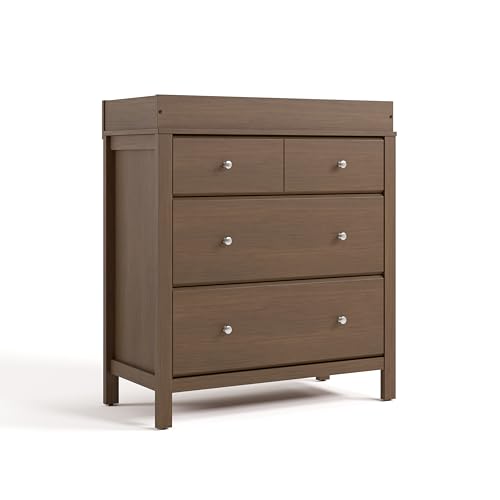
Storkcraft Horizon 3 Drawer Chest with Removable Changing Topper, Hazelnut | GREENGUARD Gold Certified, Includes Removable Changing Table Topper, Chest of Drawers for Nursery & Kids Bedroom, Durable
Check price on Amazon
Storkcraft Horizon 3 Drawer Chest with Removable Changing Topper, Driftwood | GREENGUARD Gold Certified, Includes Removable Changing Table Topper, Chest of Drawers for Nursery & Kids Bedroom, Durable
Check price on Amazon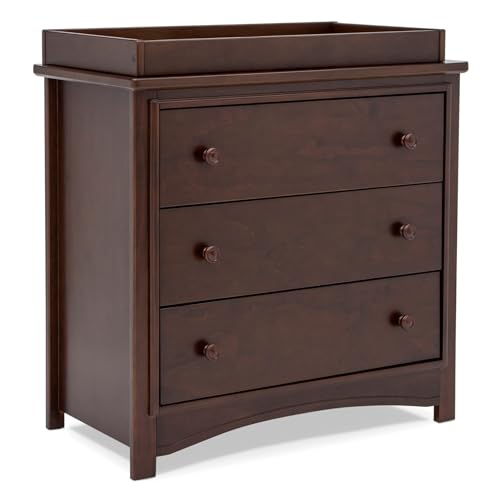
Delta Children Perry 3 Drawer Dresser with Changing Top and Interlocking Drawers, Walnut Espresso
Check price on Amazon
Imseigo 3-Drawer Changing Table, Safety Rails & Strap, Infant Diaper Changing Station with Drawers, Baby Diaper Changing Table Dresser for Nursery, Easy Assembly (White)
Check price on Amazon
Storkcraft Horizon 3 Drawer Chest with Removable Changing Topper, White | GREENGUARD Gold Certified, Includes Removable Changing Table Topper, Chest of Drawers for Nursery & Kids Bedroom, Durable
Check price on Amazon
Delta Children Perry 3 Drawer Dresser with Changing Top and Interlocking Drawers, Bianca White
Check price on Amazon
Melidee 4 Drawers Baby Dresser with Changing Top, 35x17x38 in, Sage Green | MDF Build, Removable Changing Table Topper, Drawer Organizer Divider, Nursery Corner, Space-Saving, Silver Metal Pulls
Check price on Amazon
Delta Children Perry 3 Drawer Dresser with Changing Top and Interlocking Drawers, Moonstruck Grey
Check price on AmazonFrequently Asked Questions
Is a 3 drawer dresser changing table safe for a newborn?
Yes, provided the dresser is anchored to the wall and the changing pad is secured with a safety strap. Always keep one hand on your baby during a change, and never leave a baby unattended on the changing surface. Check that the unit meets current tip-over safety standards and that all hardware is tightened after assembly.
How long can I use a 3 drawer dresser changing table?
The changing function typically serves through the diapering years, roughly the first two to three years. After that, remove the pad and strap and the unit continues as a standard dresser. Many families use the same piece from newborn through elementary school, which is why build quality matters more than the changing feature itself.
What is the ideal height for a changing table dresser?
Most parents find a changing surface between 36 and 40 inches from the floor comfortable. Taller caregivers often prefer the upper end of that range, while shorter caregivers may prefer the lower end. Test the height by standing in front of the unit and checking that your hands rest naturally on the pad without bending your back.
Can I use a regular changing pad on a 3 drawer dresser?
Yes, as long as the pad fits the top surface and includes a safety strap and contoured sides. A pad that overhangs the edges is a fall risk, so measure the dresser top before buying. Some purpose-built units include a recessed changing area that holds the pad more securely; with a standard dresser, choose a pad with a non-slip base.
Are three drawers enough storage for a baby's clothing?
Three drawers are sufficient for a full baby wardrobe when you organize deliberately: one drawer for diapering supplies, one for daily clothing folded upright, and one for bedding and overflow. If you also need to store seasonal clothing or hand-me-downs, add labeled bins under the crib or use the bottom drawer as a rotation space.
Ready to Choose Your Nursery Dresser?
Compare the recommended options above, confirm the dimensions against your nursery wall, and check that wall-anchoring hardware is included before you order. A well-chosen 3 drawer dresser changing table is one purchase that serves your family through the diapering years and well beyond.