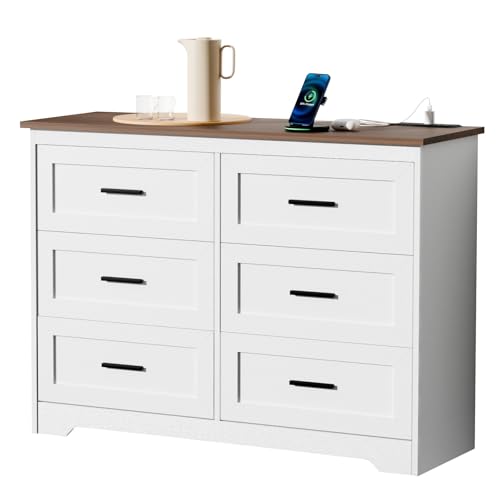
36 Inch Wide Dresser: The Complete Buying Guide
A 36 inch wide dresser is the sweet spot between compact and capable. Learn how to choose the right one for your bedroom, what drawer configurations actually work, and which options deliver lasting quality.
Why a 36 inch wide dresser deserves your attention: Most furniture shoppers jump straight to 48-inch or 60-inch dressers, then discover they overwhelm a small bedroom. A 36-inch dresser fits against most walls, leaves walking clearance, and still holds a full wardrobe's worth of folded clothing when organized well. This guide covers dimensions, drawer layouts, materials, safety, and styling so you can buy with confidence.
What Exactly Is a 36 Inch Wide Dresser?
A 36 inch wide dresser is a storage unit measuring three feet across its front face. It sits in the middle of the dresser size spectrum: wider than a narrow 24-inch or 28-inch unit, but more compact than a full 48-inch or 60-inch dresser. This width is popular because it accommodates standard folded clothing without requiring a large wall footprint.
In practice, a 36 inch wide dresser usually measures between 18 and 22 inches deep and 30 to 42 inches tall. The exact height depends on the style — a low, modern dresser may sit around 30 inches, while a traditional chest-style unit can reach 42 inches. The term is often used interchangeably with "36-inch dresser" or "36 wide dresser," and you will find these labels across retail listings.
If you are comparing this size against nearby options, it helps to understand how it differs from a 36 inch wide 3 drawer dresser, which uses the same width but dedicates the height to fewer, deeper drawers. There are also 36 dresser and 36 inch dresser listings that use slightly different naming conventions for the same general size class.
Who Should Buy a 36 Inch Wide Dresser?
A 36-inch dresser is not a one-size-fits-all answer, but it is an excellent fit for several common situations:
- Small to mid-size bedrooms: If a larger dresser would crowd your bed or block a doorway, this width keeps the room functional.
- Guest rooms and spare bedrooms: It provides enough storage for visitors without dominating a secondary room.
- Apartments and condos: The compact footprint works well in rental spaces where wall real estate is limited.
- Kids' rooms and nurseries: Pair it with a changing pad or use it as a child's first independent dresser. Many parents look at 3 drawer changing table dresser options in this width.
- As a secondary dresser: In a master bedroom, a 36-inch unit can hold accessories, workout clothes, or linens while a larger dresser handles the main wardrobe.
If you have a large walk-in closet or an oversized bedroom, a 36-inch dresser may feel undersized. In that case, a 40 wide dresser or 42 inch dresser offers more horizontal storage without jumping to full-size territory.
Dimensions, Depth, and Clearance: What to Measure Before You Buy
Width is only one of three dimensions that matter. Before purchasing any 36-inch dresser, measure the following:
- Wall width: Confirm at least 36 inches of clear wall space, plus a few inches of breathing room on each side for visual balance.
- Depth: Most 36-inch dressers are 18–22 inches deep. Measure how far the dresser will protrude into the room and whether it blocks traffic paths. If you need a shallower profile, a 12 inch deep dresser or 18 inch deep chest of drawers may be a better fit.
- Height: Standard dresser height ranges from 30 to 42 inches. Consider who will use it — a taller dresser may be hard for a child to reach, while a low dresser may require more bending for adults.
- Drawer extension: Full-extension drawer slides let you access the entire drawer, which matters more in a compact unit. Look for hardware like 16 inch full extension drawer slides or 22 inch heavy duty drawer slides on well-built models.
- Door and hallway clearance: Verify the dresser can physically fit through your doorways and stairwells during delivery.
Pro tip: Use painter's tape to outline the dresser's footprint on your floor before buying. This simple step prevents the most common furniture-buying regret: a piece that fits the wall but makes the room feel cramped.
Drawer Configurations: 3, 4, or 5 Drawers?
Within the 36-inch width, drawer count and drawer depth vary significantly. Each configuration suits a different organizing style.
3-Drawer Configuration
A three-drawer layout typically includes two shallower top drawers and one deep bottom drawer. This is the most common setup for a 36 inch wide 3 drawer dresser. It works well for folded shirts, jeans, and bulky items in the bottom drawer. The trade-off is less separation for small items like socks and accessories.
4-Drawer Configuration
Four drawers usually means two smaller top drawers and two larger lower drawers, or four equal drawers. This layout offers better organization for mixed wardrobes. If you prefer dedicated compartments, a 4 drawer dresser in this width is a practical middle ground.
5-Drawer Configuration
A five-drawer dresser in a 36-inch width often uses a taller frame to stack more drawers vertically. This is ideal if you need maximum storage in a narrow footprint. Look for models described as a 36 inch dresser with five drawers if vertical organization is your priority.
| Drawer Layout | Best For | Typical Height | Organizing Style |
|---|---|---|---|
| 3 drawers | Folded clothing, bulky items | 30–34 inches | Simple, low-maintenance |
| 4 drawers | Mixed wardrobes, couples | 34–38 inches | Balanced separation |
| 5 drawers | Maximum storage in small space | 38–44 inches | Detailed compartmentalizing |
Materials and Construction Quality
The materials used in a 36-inch dresser determine how long it will last and how well it handles daily use. Here is how the common options compare:
Solid Wood
Solid wood dressers — oak, maple, walnut, pine, or mahogany — are the most durable option. They can be refinished, repaired, and passed down. Solid wood is heavier and generally sits in the premium to luxury tiers, but it is a long-term investment. If you want a piece that survives multiple moves, solid wood is the standard to beat.
Engineered Wood (MDF and Particleboard)
Engineered wood is common in entry-level and mid-range dressers. It is stable, consistent, and often finished with veneers that mimic real wood grain. Quality varies widely: well-made engineered wood with sturdy joinery can last many years, while lightweight particleboard may sag under heavy loads. Check the drawer bottoms and back panels — these are the first places cheap construction shows.
Metal
Metal dressers are less common in bedrooms but offer a distinct industrial look and excellent durability. They are typically mid-range to premium depending on gauge and finish. Metal is a good choice for humid environments where wood may warp.
Construction checklist: Look for dovetail or doweled drawer joints, metal drawer glides (not plastic), a finished back panel, and solid drawer bottoms at least ⅜ inch thick. These details separate a dresser that lasts a decade from one that loosens within a year.
Quality Tiers: How to Read the Market Without Getting Lost
Dressers at this width span the full quality spectrum. Instead of focusing on retail positioning, use these universal tier descriptors to compare options fairly.
Essential Tier
Basic engineered wood construction, standard drawer glides, and simpler hardware. Suitable for guest rooms, first apartments, or temporary setups. Expect functional storage without premium joinery.
Balanced Tier
Better materials — often a mix of solid wood and engineered components — with smoother drawer mechanisms and sturdier frames. A solid choice for daily use in a primary bedroom.
Top-Tier
Solid wood construction, dovetail joints, full-extension glides, and refined finishes. These dressers are built to last and often come with better warranties. A worthwhile investment for long-term use.
Style Considerations: Matching the Dresser to Your Room
A 36-inch dresser is visually lighter than a wide dresser, which makes it adaptable across design styles:
- Modern and minimalist: Look for clean lines, handleless drawers, and matte finishes. Low-profile 36-inch dressers pair well with platform beds.
- Traditional: Bracket feet, framed drawer fronts, and warmer wood tones create a classic look. A 36-inch dresser can serve as a secondary piece beside a larger traditional bed.
- Mid-century modern: Tapered legs, walnut or teak finishes, and recessed pulls are hallmarks of this style. The compact width suits smaller mid-century-inspired bedrooms.
- Farmhouse and rustic: Distressed finishes, plank detailing, and simple hardware give a relaxed feel. A 36-inch dresser works well in guest rooms and kids' spaces with this aesthetic.
- Scandinavian: Light wood tones, rounded edges, and functional design. A 36-inch dresser fits naturally into the airy, uncluttered Scandinavian look.
If you are still deciding between styles, our complete dresser buying guide walks through how to match furniture to your existing room palette.
How to Maximize Storage in a 36-Inch Dresser
A 36-inch dresser holds more than most people expect — if it is organized intentionally. These strategies make the most of the compact footprint:
- Use vertical folding: Fold shirts and pants into upright rectangles so you can see every item at a glance. This method typically fits 30–40% more clothing than flat stacking.
- Add drawer dividers: Dividers keep socks, underwear, and accessories separated without wasting space. Adjustable dividers are ideal because they adapt to your drawer depth.
- Assign a drawer for each category: With three to five drawers, dedicate each one to a specific category — tops, bottoms, loungewear, accessories, and overflow.
- Use the bottom drawer for bulky items: Jeans, sweaters, and bedding belong in the deepest drawer where height is not a constraint.
- Rotate seasonally: Store off-season clothing in under-bed bins or a closet, keeping the dresser focused on what you actually wear this season.
For a deeper walkthrough, see our dresser organization guide and drawer organization ideas.
Safety: Anchoring and Tip-Over Prevention
Furniture tip-over is a serious hazard, particularly in homes with young children or pets. Even a compact 36-inch dresser can tip if a child climbs on an open drawer. Follow these safety practices:
- Always install the anti-tip kit included with the dresser. If the unit does not include one, purchase a wall-anchoring strap separately.
- Secure the dresser to a wall stud — not just drywall — using appropriate hardware for your wall type.
- Avoid placing heavy items on the top drawer and never leave multiple drawers open at once.
- Keep remote controls, toys, and items that attract children off the top of the dresser.
- Check the anchor periodically to ensure it remains tight.
Safety is non-negotiable, especially in nurseries and kids' rooms. The same applies if you choose a 36 inch wide 3 drawer dresser with a changing top — anchoring is mandatory.
36 Inch Wide Dresser Buying Checklist
Use this checklist before finalizing any purchase:
- ✅ Measured wall space and confirmed at least 36 inches of clearance
- ✅ Verified depth and height against room layout
- ✅ Confirmed drawer count and layout matches your wardrobe
- ✅ Checked drawer glide type (metal vs. plastic)
- ✅ Inspected joinery quality (dovetail or dowel preferred)
- ✅ Read reviews for stability, assembly difficulty, and finish durability
- ✅ Confirmed anti-tip kit is included
- ✅ Compared at least three options across quality tiers
If you are shopping across slightly different widths, our guides to 36 wide dresser and 36 inch dresser options cover the same size class with additional model comparisons.
Frequently Asked Questions
Is a 36 inch wide dresser big enough for a master bedroom?
A 36 inch wide dresser works well as a secondary storage piece in a master bedroom, or as a primary dresser for a single adult with a curated wardrobe. For couples, it is typically best paired with a larger dresser, a closet system, or an armoire to cover full storage needs.
How many drawers does a 36 inch wide dresser usually have?
Most 36 inch wide dressers feature three to five drawers. The most common configuration is a three-drawer dresser with one deep bottom drawer, though four-drawer and five-drawer layouts are also available depending on the height and drawer depth.
Can a 36 inch wide dresser fit in a small bedroom?
Yes. A 36 inch wide dresser is one of the most space-efficient full-size dresser options available. It fits comfortably along most bedroom walls while leaving room for a bed and nightstand, and it works especially well in rooms where a wider dresser would block traffic flow.
What is the difference between a 36 inch wide dresser and a 36 inch wide chest of drawers?
The terms are often used interchangeably. Generally, a dresser is wider than it is tall and may include a mirror, while a chest of drawers is taller than it is wide. A 36 inch wide dresser emphasizes horizontal storage, whereas a 36 inch wide chest of drawers emphasizes vertical storage with more drawer tiers.
Do I need to anchor a 36 inch wide dresser to the wall?
Yes. Furniture tip-over is a serious safety risk, especially in homes with children or pets. Always use the anti-tip kit included with the dresser, or purchase one separately, and secure the unit to a wall stud following the manufacturer's instructions.
Ready to Choose Your 36 Inch Wide Dresser?
Compare the recommended options below, check availability, and read full specifications. Every purchase through our links supports our independent research at no extra cost to you.