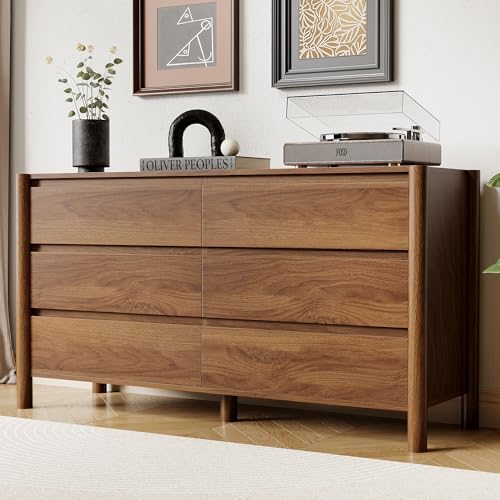
48 Inch Dresser: The Complete Guide to Sizing, Styles & Smart Storage
A 48 inch dresser hits the sweet spot between generous storage and manageable footprint. Learn how to choose the right width, drawer layout, and construction quality for your bedroom.
START WITH SIZINGWhy a 48 inch dresser? At 48 inches wide, this dresser category offers roughly 30% more drawer frontage than a standard 36 inch model while still fitting comfortably in most bedrooms. It is the ideal upgrade for couples, growing families, or anyone who needs more organized clothing storage without sacrificing floor space.
48 Inch Dresser Dimensions: What to Expect
A 48 inch dresser is defined primarily by its width, but height and depth matter just as much for fit and function. Most models in this category share a consistent dimensional profile that makes them versatile across bedroom sizes and layout styles.
Width: 48 Inches
The defining dimension. A 48 inch dresser provides enough drawer frontage for side-by-side storage without dominating a wall. It fits well between windows, beside a bed, or opposite a footboard in rooms of 100 square feet or larger.
Height: 30–36 Inches
Most 48 inch dressers stand between 30 and 36 inches tall. This height keeps the top surface usable as a display or dressing area while maintaining a comfortable reach for the top drawers.
Depth: 16–20 Inches
Depth affects both storage capacity and room flow. A shallower depth of 16 inches works well in narrow rooms, while 20 inch deep models offer more room for folded clothing and bulky items.
Drawer Count: 4–8 Drawers
Five and six drawer configurations are the most common. A 48 inch dresser can split its width into two columns of wide drawers or mix wide and narrow drawers for a tailored storage layout.
For a deeper look at how width affects layout and storage, explore our dresser size guide. If your room is on the smaller side, you may also want to compare this category with a 36 inch wide dresser to see which fits your wall space more comfortably.
Measurement tip: Always leave at least 30 inches of clearance in front of your dresser for comfortable drawer access. For a 48 inch dresser, measure your available wall width and subtract 2–3 inches on each side to account for baseboards and breathing room.
Drawer Configurations: Choosing the Right Layout
The drawer layout of a 48 inch dresser directly affects how you organize your clothing. Different configurations suit different storage habits, so it helps to match the layout to your daily routine before deciding on a style.
- Five-drawer layout: Usually one wide top drawer and four evenly sized lower drawers. A balanced choice for couples who split storage space.
- Six-drawer layout: Two columns of three drawers. Great for separating his-and-hers clothing or organizing by category.
- Seven-drawer layout: Often includes a mix of wide and narrow drawers, ideal for dedicating specific drawers to accessories, socks, or folded shirts.
- Eight-drawer layout: Maximizes storage density with smaller drawer heights. Best for people who fold clothing compactly and want granular organization.
If you need even more storage in a similar footprint, consider a 5 drawer dresser with deeper drawers or explore 6 drawer dressers for a classic two-column layout. For specialized organization, a dresser organization guide can help you plan each drawer's contents.
Styles and Materials for a 48 Inch Dresser
A 48 inch dresser is available in every major furniture style, from minimalist modern designs to warm farmhouse pieces. The material and finish you choose affects durability, maintenance, and how well the dresser integrates with your existing bedroom decor.
Solid Wood
The most durable option. Solid wood dressers resist wear and can be refinished over time. Oak, maple, and walnut are common choices for a 48 inch dresser in the premium and luxury tiers.
Engineered Wood
Engineered wood with quality veneers offers a smooth, uniform finish and reliable structural stability. Mid-range models often use this construction for a balance of durability and design flexibility.
Painted Finishes
White, gray, and black painted finishes are popular for 48 inch dressers. They hide minor scratches well and pair easily with both modern and traditional bedroom styles.
Natural Wood Tones
Natural oak, walnut, and pine finishes highlight the grain and add warmth to a room. These finishes work especially well in Scandinavian, mid-century, and rustic interiors.
Explore modern dressers for clean lines and handle-free fronts, or browse farmhouse dressers if you prefer a relaxed, textured look. For material-specific guidance, our materials and finishes section covers wood types, hardware, and finish durability in detail.
Quality Tiers: What to Look For at Each Level
A 48 inch dresser spans a wide range of construction quality. Rather than focusing on numbers, use the following tier framework to understand what each level of craftsmanship typically delivers. This helps you align expectations with the type of dresser you are considering.
| Tier | Typical Construction | Best For |
|---|---|---|
| Entry-Level | Engineered wood panels, basic drawer glides, stapled or cam-lock joinery | Guest rooms, first apartments, or temporary setups where the dresser may be replaced within a few years |
| Mid-Range | Engineered wood with veneer, metal ball-bearing glides, dowel-and-cam joinery with reinforced corners | Primary bedrooms and daily-use spaces where reliable drawer movement and a clean finish matter |
| Premium | Solid wood or high-grade engineered core, soft-close glides, dovetail or dowel joinery, quality hardware | Long-term use in a primary bedroom, where smooth operation and durability justify the investment |
| Luxury | Kiln-dried solid hardwood, hand-finished surfaces, full-extension soft-close slides, mortise-and-tenon joinery | Statement furniture for a well-appointed bedroom, often passed down or refinished over decades |
Drawer glide check: Open and close each drawer fully before committing. Mid-range and premium 48 inch dressers should glide smoothly without wobble. If a drawer sticks or feels loose at full extension, the glide system may not match the rest of the dresser's quality tier.
Placement Tips for a 48 Inch Dresser
A 48 inch dresser is large enough to anchor a wall but compact enough to avoid feeling bulky. The right placement depends on your room layout, door swing, and window positions.
- Opposite the foot of the bed: A classic layout that creates a balanced dressing area and keeps the dresser top visible from the bed.
- Beside the bed as a wide nightstand alternative: In larger bedrooms, a 48 inch dresser can serve as both storage and bedside surface, especially when paired with a smaller 2 drawer dresser on the opposite side.
- Between two windows: If the wall segment is between 50 and 60 inches wide, a 48 inch dresser fits neatly with small gaps for curtains.
- Inside a walk-in closet: A dresser for closet use case works well in larger walk-ins where floor space allows a 48 inch wide piece against a short wall.
If your bedroom is compact, explore small dressers or a narrow dresser to maintain storage capacity without crowding the room. For rooms with generous wall space, a wide dresser in the 60 inch range may offer more balanced proportions.
Pairing Your 48 Inch Dresser with Other Furniture
A 48 inch dresser works best when it is part of a cohesive bedroom setup. Pairing it with complementary pieces improves visual balance and creates a more intentional storage system.
With Nightstands
A 2 piece dresser and nightstand set keeps finishes and hardware consistent. If you prefer a wider bedside surface, a 36 inch tall nightstand with drawers can complement a 48 inch dresser without competing for visual weight.
With a Mirror
A dresser with mirror adds a functional dressing area. For 48 inch dressers, a mirror width of 36 to 44 inches maintains proportion without overwhelming the dresser top.
With a Chest
In larger bedrooms, a 48 inch dresser can pair with a taller chest of drawers to separate folded clothing from hanging or accessory storage.
With a Bed Frame
Matching wood tones or complementary finishes between the dresser and bed frame creates a unified look. A 3 piece dresser and nightstand set is a practical way to coordinate all three pieces at once.
Maintenance and Longevity
A well-maintained 48 inch dresser can serve your bedroom for many years. The care routine depends on the finish and material, but a few universal habits extend the life of any dresser.
- Dust the dresser top weekly with a soft, dry cloth to prevent abrasive buildup.
- Avoid placing hot or wet items directly on the surface; use coasters or a protective mat.
- Do not overload drawers beyond their designed capacity, as this strains glides and joints.
- Check and tighten hardware screws every few months, especially on frequently used drawers.
- For painted or veneered finishes, use a mild, non-abrasive cleaner and dry immediately.
- Keep the dresser out of direct sunlight to prevent fading and finish cracking.
For step-by-step care instructions, see our guides on how to clean a dresser and how to refinish a dresser if you plan to restore an older piece.
Frequently Asked Questions About 48 Inch Dressers
A 48 inch dresser typically measures 48 inches wide, 30 to 36 inches tall, and 16 to 20 inches deep. These dimensions make it a versatile mid-size option suitable for most bedrooms, offering substantially more drawer frontage than a standard 36 inch model while remaining easier to place than a 60 inch wide dresser.
Most 48 inch dressers feature between 4 and 8 drawers, with 5 to 6 drawers being the most common configuration. The exact number depends on the drawer height and layout style. A five-drawer layout usually includes one wide top drawer and four evenly sized lower drawers, while a six-drawer layout typically uses two columns of three drawers.
Yes, a 48 inch dresser is an excellent choice for small to medium bedrooms. It offers substantial storage without overwhelming the space, and its width allows for efficient use of wall space. Just ensure you leave at least 30 inches of clearance in front of the dresser for comfortable drawer access, and measure your wall segment carefully before committing.
A 48 inch dresser offers roughly 20% less drawer frontage than a 60 inch model, but it fits more easily into smaller wall segments and narrow rooms. A 60 inch dresser provides more storage capacity and a broader top surface, making it better suited to large primary bedrooms or rooms with long, uninterrupted walls.
Verify the exact width, height, and depth, as nominal sizes can vary by an inch or more between manufacturers. Check the drawer glide type (ball-bearing or soft-close is preferable for daily use), the joinery method, and the material composition. Read customer reviews that mention assembly difficulty and long-term durability, and confirm the return policy in case the dresser does not fit your intended space.
Yes, a 48 inch dresser can work in a nursery, but safety is the priority. Secure the dresser to the wall with an anti-tip kit, and avoid placing heavy items on the top surface. Many parents choose a nursery dresser that includes a changing topper or pairs with a changing pad. For added safety, look for models with drawer stops that prevent drawers from pulling out completely.
Final Buying Checklist
Before you decide on a 48 inch dresser, run through this checklist to make sure the piece you choose fits your room, your storage needs, and your long-term expectations.
- Measure your wall segment and confirm at least 30 inches of clearance in front of the dresser.
- Decide on drawer count and layout based on how you fold and organize clothing.
- Choose a material tier that matches your expected years of use and maintenance willingness.
- Check that the drawer glides operate smoothly and feel solid at full extension.
- Confirm the finish coordinates with your bed frame and nightstands, or plan a complementary contrast.
- Look for anti-tip hardware, especially if the dresser will be in a nursery or a home with children.
- Read the return policy and assembly instructions before purchase if ordering online.
For a broader overview of dresser selection, visit our dresser buying guide. If you are still deciding between a dresser and a chest, our dresser vs chest of drawers comparison explains the key differences in height, drawer layout, and room placement.