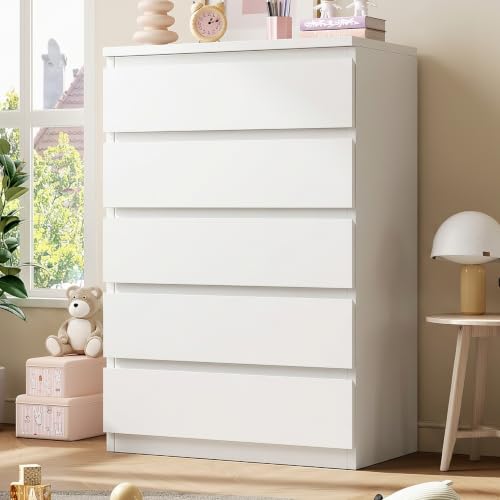
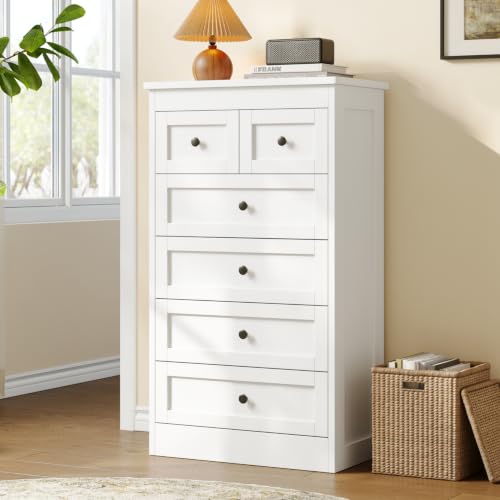
24 Inch Dresser: The Complete Guide to Compact Bedroom Storage
Everything you need to know about choosing, organizing, and maximizing a 24 inch dresser for small bedrooms, apartments, closets, and nursery spaces.
Why a 24 inch dresser deserves your attention: When floor space is at a premium, a 24 inch dresser delivers serious storage in a footprint that fits almost anywhere. Whether you are outfitting a studio apartment, a child's bedroom, or a walk-in closet, understanding the dimensions, drawer configurations, and material options of a 24 inch dresser will help you make a confident, long-term purchase.
What Exactly Is a 24 Inch Dresser?
A 24 inch dresser is a storage piece that measures approximately 24 inches in width. This narrow profile places it firmly in the compact furniture category, making it one of the most versatile storage solutions for rooms where every square foot counts. Despite the modest width, a 24 inch dresser can offer anywhere from two to five drawers, depending on its height and drawer arrangement.
The 24 inch width is a sweet spot for several reasons. It is narrow enough to fit into tight corners, alongside a bed, or inside a standard closet, yet wide enough to accommodate meaningful drawer storage for folded clothing, accessories, and personal items. For anyone searching for a 24 inch wide dresser, the key is understanding how width, depth, and height interact to determine actual storage capacity.
Unlike larger dressers that dominate a room, a 24 inch dresser integrates into the space without overwhelming it. This makes it particularly valuable in rooms where the bed, nightstand, and dresser all need to coexist comfortably. If you are also considering a slightly different width, our guide to the 24 inch wide chest of drawers explains how drawer depth and height affect usability.
Who Should Consider a 24 Inch Dresser?
A 24 inch dresser is not just for small rooms. It serves a wide range of households and use cases. Understanding whether your situation aligns with the strengths of this size will help you decide if it is the right fit.
Studio & Apartment Dwellers
In compact living spaces, a 24 inch dresser provides essential clothing storage without consuming valuable floor area. Its narrow width allows it to sit flush against a wall or beside a bed.
Small Bedrooms
When a bedroom barely fits a bed and a nightstand, a 24 inch dresser fills the storage gap. Taller models with more drawers maximize vertical space while keeping the footprint small.
Nursery & Kids' Rooms
A 24 inch dresser is a practical choice for nurseries, holding baby clothes, blankets, and supplies. Pair it with a changing pad on top for a space-efficient changing station.
Closet Organization
Sliding a 24 inch dresser into a closet transforms unused space into organized drawer storage. It keeps folded items accessible while freeing up hanging space.
Entryways & Hallways
A narrow dresser can serve as a hallway console, holding gloves, scarves, mail, and everyday essentials while adding a touch of warmth to transitional spaces.
Guest Rooms
Guest bedrooms often lack storage. A 24 inch dresser gives visitors a dedicated place for their belongings without taking over the room.
24 Inch Dresser Dimensions and Specifications
Understanding the full dimensions of a 24 inch dresser goes beyond just the width. Depth and height play an equally important role in determining where the dresser fits and how much it can hold. The table below outlines typical measurement ranges you will encounter.
| Specification | Typical Range | What It Means for You |
|---|---|---|
| Width | Approximately 24 inches | Fits narrow walls, closets, and tight corners |
| Depth | 15 to 18 inches | Shallower depth suits hallways and closets; deeper drawers hold bulkier items |
| Height | 28 to 48 inches | Taller models add drawer count without increasing floor footprint |
| Drawer Count | 2 to 5 drawers | More drawers mean more organization zones; fewer drawers suit simpler needs |
| Weight Capacity | Varies by construction tier | Entry-level models handle light loads; mid-range and premium tiers support heavier use |
When evaluating a 24 inch dresser, pay close attention to drawer depth. A dresser that is 24 inches wide but only 15 inches deep will hold less than one that is 18 inches deep. If you need to store bulky sweaters or linens, prioritize depth over drawer count. For those who need extra depth, our article on the 12 deep dresser explores how deeper drawers change storage dynamics.
Drawer Configurations: Finding the Right Layout
The drawer layout of a 24 inch dresser determines how you organize your belongings. There is no single best configuration; the right choice depends on what you plan to store and how you prefer to access it.
2-Drawer Configuration
Two large drawers offer generous capacity for bulky items such as jeans, sweaters, and bedding. This layout suits users who prefer fewer, deeper storage zones. However, it offers less separation for smaller items. A 2 drawer dresser in the 24 inch width is a straightforward, no-fuss option.
3-Drawer Configuration
Three drawers strike a balance between capacity and organization. A common layout features one deep bottom drawer and two shallower upper drawers, ideal for separating tops, bottoms, and accessories. The 3 drawer dresser is one of the most popular configurations in the 24 inch category.
4-Drawer Configuration
Four drawers provide more granular organization. You can dedicate drawers to specific categories: tops, bottoms, undergarments, and accessories. A 4 drawer dresser at 24 inches wide typically uses a taller frame to accommodate the extra drawer.
5-Drawer and Tall Configurations
Five-drawer models maximize vertical space, offering the most organization zones within the same footprint. These taller dressers are excellent for users who want drawer separation for many categories of clothing. If you need even more storage in a narrow footprint, consider exploring 30 inch tall dresser options that add height without adding width.
Organization Tip: Assign each drawer a fixed category and stick to it. For example: top drawer for undergarments and socks, second drawer for tops, third drawer for bottoms, bottom drawer for bulky items. Consistency makes daily routines faster and keeps the dresser clutter-free.
Materials and Construction: What to Look For
The material of a 24 inch dresser affects its durability, visual style, and long-term performance. Here is how the main material categories compare.
| Material | Durability | Best For |
|---|---|---|
| Solid Wood | High; can be refinished | Long-term investment; traditional and rustic styles |
| Engineered Wood | Moderate; stable and consistent | Modern designs; budget-conscious shoppers |
| Metal | High; resistant to warping | Industrial, modern, and minimalist decors |
| Bamboo | Moderate; eco-friendly | Sustainable buyers; light and airy aesthetics |
Solid wood remains the gold standard for durability and longevity. A solid wood 24 inch dresser can last for decades and be refinished if the surface wears. Engineered wood, such as MDF or particleboard with veneers, offers a more stable structure that resists warping and is often finished with durable laminates. Metal dressers are sturdy and suit modern or industrial design themes. For those interested in specific wood types, our guide to 3 drawer dresser solid wood options explores construction details.
Regardless of material, check the drawer slides and hardware. Entry-level models may use basic glides, while mid-range and premium tiers feature ball-bearing slides or soft-close mechanisms. These details significantly affect daily usability. If you are comparing drawer hardware, our 16 inch full extension drawer slides guide explains the difference between partial and full-extension slides.
Placement and Space Planning
One of the biggest advantages of a 24 inch dresser is its flexibility in placement. Here are the most effective ways to incorporate it into your room layout.
- Beside the bed: Position the dresser as a large nightstand, providing drawer storage and a surface for a lamp and essentials.
- Inside the closet: Slide it into a closet to create a built-in drawer system that frees up hanging space and keeps folded items organized.
- Against a narrow wall: Use it to fill awkward wall segments between windows or doors where a wider piece would not fit.
- In a hallway: A narrow dresser can serve as a console table, holding keys, mail, and seasonal accessories.
- Under a window: A low-profile 24 inch dresser can sit beneath a window, providing storage without blocking light.
- In a nursery: Place it near the crib for easy access to baby clothes, diapers, and blankets. Add a changing pad on top for a compact changing station.
When planning placement, measure the available width, depth, and height carefully. Allow at least two to three inches of clearance on each side for easy drawer access. If the dresser will sit in a high-traffic area, ensure the drawers can open fully without blocking walkways. For rooms with limited wall space, a 24 inch wide dresser is often the only full-size dresser option that fits comfortably.
Organization Strategies for a 24 Inch Dresser
A compact dresser demands smarter organization. With less drawer space than a full-size dresser, every inch must work harder. These strategies will help you maximize the capacity of your 24 inch dresser.
1. Fold Vertically
Instead of stacking folded clothes in horizontal piles, fold them into vertical file-like rows. This method lets you see every item at a glance and prevents the dreaded bottom-of-the-pile search. Vertical folding works especially well in shallower drawers common to 24 inch dressers.
2. Use Drawer Dividers
Dividers create dedicated zones for socks, undergarments, accessories, and small items. They prevent items from sliding around and make the drawer feel more spacious. Adjustable dividers are ideal because you can reconfigure them as your needs change.
3. Rotate Seasonally
Store off-season clothing elsewhere and use your dresser for the current season's wardrobe. This rotation keeps the dresser from becoming overstuffed and makes daily dressing simpler. For more ideas, see our guide to seasonal clothing storage.
4. Assign Categories
Give each drawer a specific purpose: one for tops, one for bottoms, one for undergarments, and one for accessories or loungewear. Labeling the inside of drawers or using labeled bins reinforces the system.
5. Maximize Vertical Space
Use stackable drawer organizers or tiered inserts to create two layers within a single deep drawer. This effectively doubles the usable space without requiring a larger dresser. For more detailed guidance, explore our drawer organization ideas.
Quick Win: Empty one drawer completely and start fresh. Remove items you have not worn in a year, then reorganize what remains using dividers. You will likely find you have more space than you thought.
Buying Checklist for a 24 Inch Dresser
Before you commit to a purchase, run through this checklist to ensure the dresser meets your needs and fits your space.
- Measure your space: Confirm the available width, depth, and height. Account for doorways, baseboards, and clearance for drawer opening.
- Decide on drawer count: More drawers offer more organization; fewer drawers offer larger capacity per drawer. Match the configuration to your storage habits.
- Check drawer slides: Ball-bearing or soft-close slides are smoother and more durable than basic glides. Test them in person if possible.
- Consider material: Solid wood for longevity, engineered wood for stability and modern finishes, metal for industrial style.
- Inspect the back panel: A sturdy back panel adds rigidity and prevents racking. Thin or missing back panels are a sign of lower construction quality.
- Verify safety features: Anti-tip straps are essential, especially for taller models and nursery use. Ensure the dresser meets current safety standards.
- Think about assembly: Some dressers arrive fully assembled; others require assembly. Factor in the time and tools needed.
- Plan the organization: Before purchasing, decide which categories will go in which drawer. This helps you choose the right configuration.
For a broader look at how to evaluate dressers, read our complete dresser buying guide. If you are comparing different widths, our guides to the 20 inch wide dresser and the 26 inch wide dresser provide useful comparisons.
Common Mistakes to Avoid
Even a well-chosen 24 inch dresser can disappoint if you overlook key details. Here are the most common pitfalls and how to sidestep them.
Ignoring Drawer Depth
A 24 inch dresser with shallow drawers holds far less than one with deeper drawers. If you plan to store bulky items, prioritize depth over width.
Overlooking Clearance
Failing to account for drawer pull-out space can make the dresser frustrating to use. Measure the clearance in front of the dresser before placing it.
Choosing Style Over Substance
A beautiful finish cannot compensate for flimsy slides and thin panels. Prioritize construction quality, then choose the style you love.
Skipping Anti-Tip Straps
Taller 24 inch dressers can tip if drawers are left open. Always install anti-tip straps, especially in homes with children or pets.
Ready to Find Your Perfect 24 Inch Dresser?
Explore our curated selection of compact dressers and storage solutions. Compare features, read specifications, and choose the one that fits your space.
View Recommended OptionsRelated Guides and Resources
Expand your knowledge with these related articles on compact dressers, chests of drawers, and bedroom organization.
Frequently Asked Questions About 24 Inch Dressers
What is a 24 inch dresser best used for?
A 24 inch dresser is ideal for small bedrooms, studio apartments, nursery corners, entryways, and closets where floor space is limited. It provides essential drawer storage without occupying much width, making it a practical solution for compact rooms.
How many drawers does a typical 24 inch dresser have?
Most 24 inch dressers feature between 2 and 5 drawers. Common configurations include 3-drawer, 4-drawer, and 5-drawer layouts. Taller models with more drawers provide greater vertical storage while maintaining the same compact footprint.
Can a 24 inch dresser fit in a small closet?
Yes, a 24 inch dresser is one of the best furniture pieces for closet organization. Its narrow width allows it to slide into standard closets, providing drawer storage for folded clothing, accessories, and small items without consuming much space.
What materials are best for a 24 inch dresser?
Solid wood, engineered wood with quality veneers, and metal are common materials. Solid wood offers long-term durability and can be refinished. Engineered wood provides stability and consistent finishes. Metal frames are sturdy and suit modern or industrial decors.
How do I organize a 24 inch dresser efficiently?
Use drawer dividers to separate categories, fold clothing vertically for visibility, assign each drawer a specific purpose, and rotate seasonal items. For narrow drawers, rolling clothes or using stackable organizers maximizes every inch of space.